
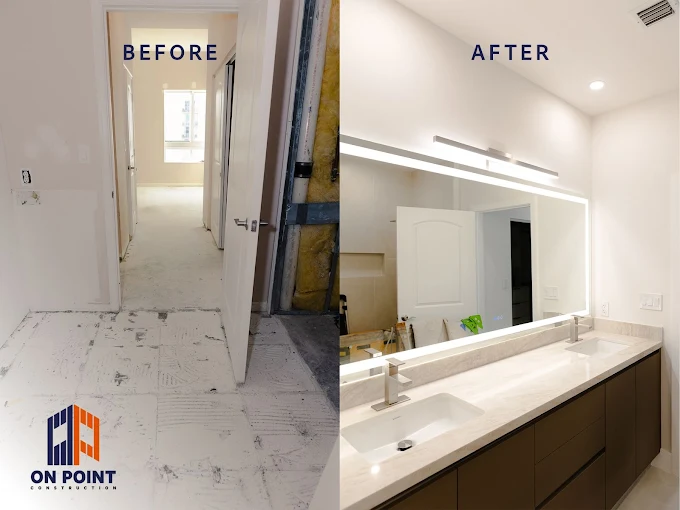
Building a new home, renovating an existing property, or constructing a commercial facility is a major investment. Whether you are a homeowner, property investor, or business owner, choosing experienced commercial and residential builders is one of the most important decisions you can make.
Coral Gables is known for its beautiful architecture, thriving business community, and attractive residential neighborhoods. As the city continues to grow, the demand for quality construction services remains strong. Professional builders help property owners bring their visions to life while ensuring projects meet local regulations, safety standards, and long-term performance expectations.
This guide explains the role of commercial and residential builders, the services they provide, the construction process, and what property owners should know before starting a project.
What Do Commercial and Residential Builders Do?
Builders are construction professionals responsible for planning, managing, and completing building projects. Their work may involve constructing new properties, renovating existing structures, or expanding current spaces.
Residential builders focus on homes and living spaces, while commercial builders work on business properties and commercial developments.
Their responsibilities often include:
- Project planning
- Site preparation
- Construction management
- Material coordination
- Contractor supervision
- Quality control
- Safety compliance
- Permit coordination
Professional builders help ensure projects are completed efficiently and according to established standards.
Understanding Residential Construction Services
Residential construction focuses on properties designed for living purposes. Builders work with homeowners to create functional, comfortable, and attractive living spaces.
New Home Construction
Many homeowners choose custom home construction to create a residence that meets their specific needs and preferences.
New home construction typically includes:
- Site evaluation
- Architectural planning
- Foundation installation
- Framing
- Roofing
- Electrical systems
- Plumbing systems
- Interior finishing
Custom homes allow property owners to personalize layouts, materials, and design features.
Home Renovations
Renovation projects improve existing homes without requiring complete reconstruction.
Popular renovation projects include:
- Kitchen remodeling
- Bathroom remodeling
- Flooring upgrades
- Interior redesign
- Exterior improvements
- Room conversions
Renovations help homeowners modernize their properties while improving functionality and comfort.
Home Additions
When families need additional space, home additions provide a practical solution.
Common additions include:
- Extra bedrooms
- Home offices
- Family rooms
- Guest suites
- Sunrooms
Adding square footage can improve daily living while increasing property value.
Exterior Improvements
Exterior upgrades help maintain curb appeal and protect the property.
Examples include:
- Roofing replacement
- Exterior painting
- Window installation
- Patio construction
- Outdoor living areas
These improvements enhance both appearance and functionality.
Understanding Commercial Construction Services
Commercial construction involves buildings used for business and professional activities.
Commercial builders often work on:
- Office buildings
- Retail stores
- Restaurants
- Medical facilities
- Warehouses
- Hospitality properties
- Mixed-use developments
Commercial projects typically require additional planning due to building codes, accessibility requirements, and operational considerations.
Office Construction
Office buildings require efficient layouts that support employee productivity and business operations.
Builders may construct:
- Corporate offices
- Professional suites
- Shared workspaces
- Administrative facilities
Modern office design often focuses on flexibility and functionality.
Retail Construction
Retail environments must provide attractive and practical spaces for customers.
Retail construction projects may include:
- Shopping centers
- Boutique stores
- Showrooms
- Service businesses
Builders help create layouts that support customer flow and product displays.
Restaurant Construction
Restaurant projects require specialized construction solutions.
Important considerations include:
- Kitchen layouts
- Ventilation systems
- Plumbing requirements
- Dining area design
- Safety compliance
Proper planning helps businesses operate efficiently after opening.
Medical and Professional Facilities
Medical offices and professional service facilities often require specialized construction standards.
These projects may include:
- Examination rooms
- Waiting areas
- Treatment spaces
- Administrative offices
Builders must carefully follow applicable regulations and industry requirements.
Benefits of Hiring Professional Builders
Construction projects involve many moving parts. Working with experienced professionals offers several advantages.
Project Management Expertise
Builders coordinate every stage of the project, including scheduling, labor management, materials, and inspections.
This organized approach helps reduce delays and confusion.
Quality Workmanship
Professional construction teams use proven methods and industry best practices to deliver durable results.
Quality workmanship contributes to long-term property performance.
Compliance With Building Codes
Construction projects must comply with local regulations and safety standards.
Experienced builders understand permit requirements and applicable codes.
Efficient Resource Management
Builders coordinate suppliers, subcontractors, and materials to help keep projects moving forward.
Reduced Stress for Property Owners
Managing construction independently can be challenging.
Professional builders handle many responsibilities, allowing property owners to focus on other priorities.
The Construction Process Explained
Understanding the construction process can help property owners prepare for a successful project.
Initial Consultation
The process usually begins with discussing project goals, timelines, and expectations.
Builders evaluate the site and gather important project information.
Planning and Design
During this stage, construction plans are developed.
Planning may include:
- Architectural drawings
- Layout development
- Material selection
- Budget preparation
Proper planning helps avoid costly surprises later.
Permits and Approvals
Many construction projects require permits before work can begin.
Local authorities review plans to ensure compliance with building regulations.
Site Preparation
Before construction starts, the site may require:
- Clearing
- Grading
- Excavation
- Utility preparation
Proper site preparation creates a strong foundation for the project.
Construction Phase
The building process typically includes:
- Foundation work
- Structural framing
- Roofing
- Mechanical systems
- Interior finishes
Builders coordinate multiple trades throughout this phase.
Final Inspection and Completion
Once construction is complete, inspections verify compliance and quality standards.
Property owners review the finished project before final approval.
Important Factors When Choosing a Builder
Selecting the right construction partner is essential for project success.
Experience
Look for builders with experience handling projects similar to yours.
A strong portfolio demonstrates capability and expertise.
Licensing and Insurance
Proper credentials help protect property owners and ensure compliance with local regulations.
Reputation
Reviews and testimonials can provide valuable insight into customer experiences.
Communication
Clear communication helps prevent misunderstandings and keeps projects moving smoothly.
Detailed Estimates
Professional builders provide transparent estimates that outline project costs and expectations.
Construction Trends in Coral Gables
Property owners continue to embrace modern construction trends that improve functionality and efficiency.
Energy-Efficient Buildings
Many projects now include:
- Energy-efficient windows
- Better insulation
- Smart HVAC systems
- LED lighting
These features help reduce energy consumption.
Smart Technology Integration
Smart systems continue to gain popularity in both homes and commercial properties.
Examples include:
- Security systems
- Automated lighting
- Climate control
- Access management
Open Layout Designs
Open floor plans create spacious environments that improve movement and natural light.
Sustainable Building Materials
Many builders now use environmentally responsible materials that support long-term sustainability.
Outdoor Living Spaces
Outdoor kitchens, patios, and entertainment areas remain highly desirable features in residential projects.
Common Construction Challenges
Every project presents unique challenges.
Budget Changes
Unexpected conditions can impact project costs.
Material Availability
Supply chain issues may occasionally affect schedules.
Weather Conditions
Construction timelines can be influenced by weather-related delays.
Design Adjustments
Property owners sometimes request changes after construction begins.
Careful planning helps reduce these challenges and improve project outcomes.
Why Proper Planning Is Essential
Successful construction projects begin with clear goals and realistic expectations.
Property owners should consider:
- Project scope
- Budget requirements
- Timeline expectations
- Material preferences
- Future property needs
Taking time to plan thoroughly can improve efficiency and overall satisfaction.
Many property owners rely on trusted professionals such as On Point Construction – G&B LLC to help guide construction projects from concept to completion.
Conclusion
Commercial and residential builders play an important role in transforming ideas into functional, attractive, and lasting structures. Whether you are building a custom home, renovating an existing property, expanding your living space, or developing a commercial facility, experienced builders help ensure projects are completed safely and efficiently.
Understanding the construction process, available services, and key planning considerations allows property owners to make informed decisions and achieve successful results. With the right approach and professional guidance, construction projects in Coral Gables can provide long-term value, improved functionality, and enhanced property appeal.
Frequently Asked Questions
What is the difference between commercial and residential builders?
Residential builders focus on homes and living spaces, while commercial builders work on business properties such as offices, retail stores, and commercial facilities.
How long does a construction project take?
Project timelines vary depending on size, complexity, permits, and weather conditions. Small projects may take weeks, while larger developments can take several months.
Do construction projects require permits?
Most construction projects require permits to ensure compliance with local building codes and safety regulations.
How much does construction cost in Coral Gables?
Costs vary based on project size, materials, labor requirements, and design complexity.
Can builders help with renovations and additions?
Yes. Many builders provide renovation, remodeling, and home addition services in addition to new construction.
Why is project planning important?
Proper planning helps establish realistic budgets, timelines, and expectations while reducing the risk of delays and unexpected expenses.
How do I choose the right builder?
Consider experience, licensing, insurance, communication, reputation, and the quality of previous projects.
Are energy-efficient construction features worth the investment?
Many energy-efficient upgrades can reduce utility costs, improve comfort, and increase long-term property value.
