
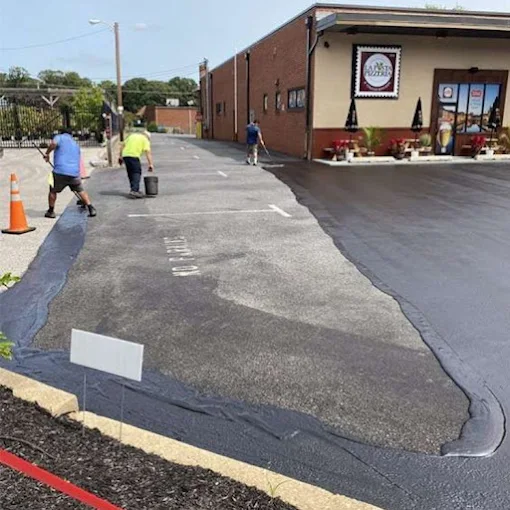
Property safety is an important concern for homeowners, business owners, property managers, and community organizations. While many people focus on building security systems, lighting, and maintenance, they often overlook one of the most important factors affecting safety: the condition of paved surfaces.
Driveways, parking lots, walkways, sidewalks, and roadways are used every day by vehicles and pedestrians. When these surfaces become damaged, uneven, or poorly maintained, they can create serious safety hazards. Professional paving helps eliminate these risks by creating smooth, durable, and properly designed surfaces that improve safety for everyone who uses the property.
This guide explains how professional paving enhances property safety and why investing in quality paving services can provide long-term benefits.
Understanding Professional Paving
Professional paving involves the design, preparation, installation, and maintenance of paved surfaces using industry-approved methods and materials.
The process includes:
- Site evaluation
- Proper grading
- Drainage planning
- Base preparation
- Asphalt or concrete installation
- Surface finishing
- Ongoing maintenance
When completed correctly, professional paving creates a safe and reliable surface that can withstand traffic, weather conditions, and everyday wear.
Why Property Safety Matters
Safe property conditions help protect visitors, residents, employees, customers, and vehicles.
Unsafe pavement can lead to:
- Slip-and-fall accidents
- Trip hazards
- Vehicle damage
- Drainage problems
- Reduced accessibility
- Increased liability risks
By maintaining high-quality paved surfaces, property owners can create a safer environment while protecting their investment.
Reduces Trip and Fall Hazards
One of the biggest safety benefits of professional paving is the reduction of trip and fall risks.
Common Pavement Hazards
Over time, pavement can develop:
- Cracks
- Uneven surfaces
- Potholes
- Surface depressions
- Raised edges
These issues create obstacles that can cause pedestrians to stumble or fall.
Smooth Walking Surfaces
Professional paving creates level and even surfaces that allow people to walk safely.
This is especially important for:
- Children
- Elderly individuals
- People with mobility challenges
- Customers visiting commercial properties
Smooth pavement reduces the chance of accidents and improves overall pedestrian safety.
Improves Vehicle Safety
Damaged pavement affects more than just pedestrians. It can also create risks for drivers and vehicles.
Prevents Tire Damage
Potholes and broken pavement can damage:
- Tires
- Wheels
- Suspension systems
- Alignment components
Professional paving helps create a stable driving surface that reduces vehicle wear and damage.
Enhances Driving Control
Uneven pavement can affect vehicle handling and braking performance.
A professionally paved surface provides:
- Better traction
- Improved vehicle stability
- Smoother travel
- Safer navigation
This is particularly important in parking lots, driveways, and access roads.
Improves Drainage and Water Management
Water is one of the leading causes of pavement damage and property safety concerns.
Problems Caused by Poor Drainage
Without proper drainage, water may cause:
- Standing puddles
- Slippery surfaces
- Erosion
- Foundation damage
- Pavement deterioration
These conditions increase accident risks and shorten pavement lifespan.
Proper Grading and Drainage Design
Professional paving includes careful planning to direct water away from important areas.
Proper drainage helps:
- Prevent pooling water
- Reduce slipping hazards
- Protect pavement structure
- Improve surface durability
Effective water management contributes significantly to a safer property.
Increases Visibility and Organization
Well-designed paved surfaces improve traffic flow and reduce confusion.
Clearly Defined Areas
Professional paving projects often include designated areas such as:
- Parking spaces
- Driving lanes
- Pedestrian walkways
- Loading zones
- Entrance and exit points
Clear organization helps reduce accidents and improves safety for both drivers and pedestrians.
Better Traffic Flow
A properly designed paved area helps guide vehicle movement efficiently.
This reduces:
- Traffic congestion
- Sudden stops
- Vehicle conflicts
- Parking lot confusion
Organized traffic patterns make properties safer and easier to navigate.
Supports Accessibility
Accessibility is an important part of property safety.
Safe Access for Everyone
Professionally paved surfaces help create accessible pathways for:
- Wheelchair users
- Individuals using walkers
- Parents with strollers
- People with mobility limitations
Smooth and level pavement reduces barriers and allows easier movement throughout the property.
Compliance with Accessibility Standards
Many commercial properties must meet accessibility requirements.
Professional paving helps create surfaces that support safe and convenient access for all visitors.
Reduces Slip Hazards
Slippery surfaces can increase the risk of accidents, particularly during wet weather.
Causes of Slippery Pavement
Common causes include:
- Standing water
- Surface deterioration
- Improper grading
- Uneven pavement
Professional Surface Installation
Professional paving contractors use techniques that improve surface quality and drainage.
These methods help:
- Reduce water accumulation
- Improve traction
- Increase surface stability
As a result, pedestrians and drivers experience safer conditions year-round.
Enhances Nighttime Safety
Many accidents occur after dark due to poor visibility.
Smooth Pavement Improves Visibility
Well-maintained pavement makes it easier to see:
- Lane markings
- Parking spaces
- Walkways
- Curbs
- Directional signs
This helps drivers and pedestrians navigate safely during evening hours.
Supports Effective Lighting
Even pavement surfaces allow lighting systems to function more effectively by reducing shadows and visual obstructions.
Better visibility contributes to overall property safety.
Prevents Long-Term Surface Deterioration
Small pavement problems can quickly become major hazards if left untreated.
Early Problem Prevention
Professional paving creates a strong foundation that resists:
- Cracking
- Settling
- Surface failure
- Water damage
This reduces the likelihood of dangerous conditions developing over time.
Lower Maintenance Risks
Quality installation often leads to fewer repair needs and fewer safety issues in the future.
Regular maintenance further helps keep surfaces safe and functional.
Improves Safety in Commercial Properties
Businesses have a responsibility to provide safe conditions for customers and employees.
Customer Safety
A professionally paved parking lot or walkway creates a safer environment for visitors.
Benefits include:
- Reduced trip hazards
- Improved navigation
- Better accessibility
- Safer parking areas
Employee Safety
Employees frequently use parking lots, entrances, and service areas throughout the day.
Well-maintained pavement helps reduce workplace accidents and improves daily operations.
Enhances Residential Property Safety
Homeowners also benefit from professionally paved surfaces.
Safer Driveways
A smooth driveway makes it easier to:
- Park vehicles
- Walk safely
- Ride bicycles
- Move equipment
This helps protect family members and visitors from avoidable accidents.
Improved Walkways
Professionally paved walkways provide safer routes around the property, especially during rainy weather.
Well-maintained pathways reduce the risk of slips and falls.
Reduces Liability Risks
Property owners may face legal and financial consequences when unsafe conditions lead to accidents.
Fewer Accident Claims
Maintaining safe pavement can help reduce the likelihood of:
- Injury claims
- Property damage claims
- Customer complaints
Demonstrates Responsible Property Management
Investing in professional paving shows a commitment to safety and property upkeep.
This can help property owners better protect their assets and reputation.
The Importance of Regular Pavement Maintenance
Even professionally installed pavement requires routine care.
Maintenance Activities
Common maintenance services include:
- Crack filling
- Sealcoating
- Surface repairs
- Drainage inspections
- Pavement cleaning
These services help maintain safety and extend pavement life.
Early Detection of Problems
Regular inspections can identify potential hazards before they become serious safety concerns.
Preventive maintenance is often more affordable than major repairs.
Choosing a Professional Paving Contractor
The quality of paving work directly affects safety outcomes.
When selecting a contractor, consider:
- Experience
- Industry knowledge
- Customer reviews
- Quality materials
- Proper equipment
- Commitment to safety standards
For example, Prestige Paving & Concrete Services provides paving solutions designed to improve durability, functionality, and property safety.
Conclusion
Professional paving plays a major role in creating safer residential and commercial properties. Properly installed and maintained pavement helps reduce trip hazards, improve vehicle safety, enhance drainage, increase accessibility, and support better traffic flow.
Safe paved surfaces protect people, vehicles, and property while helping owners reduce liability risks and maintenance expenses. Whether for a driveway, parking lot, walkway, or roadway, professional paving is an investment that contributes to long-term safety and property value.
By prioritizing quality paving and regular maintenance, property owners can create a safer environment for everyone who uses their property.
Frequently Asked Questions
How does professional paving improve safety?
Professional paving creates smooth, level, and durable surfaces that reduce trip hazards, improve vehicle control, and support safer pedestrian movement.
Why are potholes considered dangerous?
Potholes can cause vehicle damage, create tripping hazards, and increase the risk of accidents for drivers and pedestrians.
How does drainage affect pavement safety?
Proper drainage prevents standing water, reduces slippery conditions, and helps protect pavement from structural damage.
Can professional paving improve accessibility?
Yes. Smooth and even pavement makes it easier for wheelchair users, people with mobility limitations, and families with strollers to move safely.
Does paving help reduce liability risks?
Maintaining safe pavement can reduce accident risks and help property owners avoid injury-related claims and complaints.
How often should pavement be inspected?
Regular inspections are recommended to identify cracks, drainage issues, and other problems before they become serious safety hazards.
Why is pavement maintenance important?
Routine maintenance helps preserve pavement quality, extend lifespan, and prevent conditions that may cause accidents.
What types of properties benefit from professional paving?
Residential homes, commercial buildings, industrial facilities, schools, healthcare centers, and public spaces can all benefit from professionally paved surfaces.