
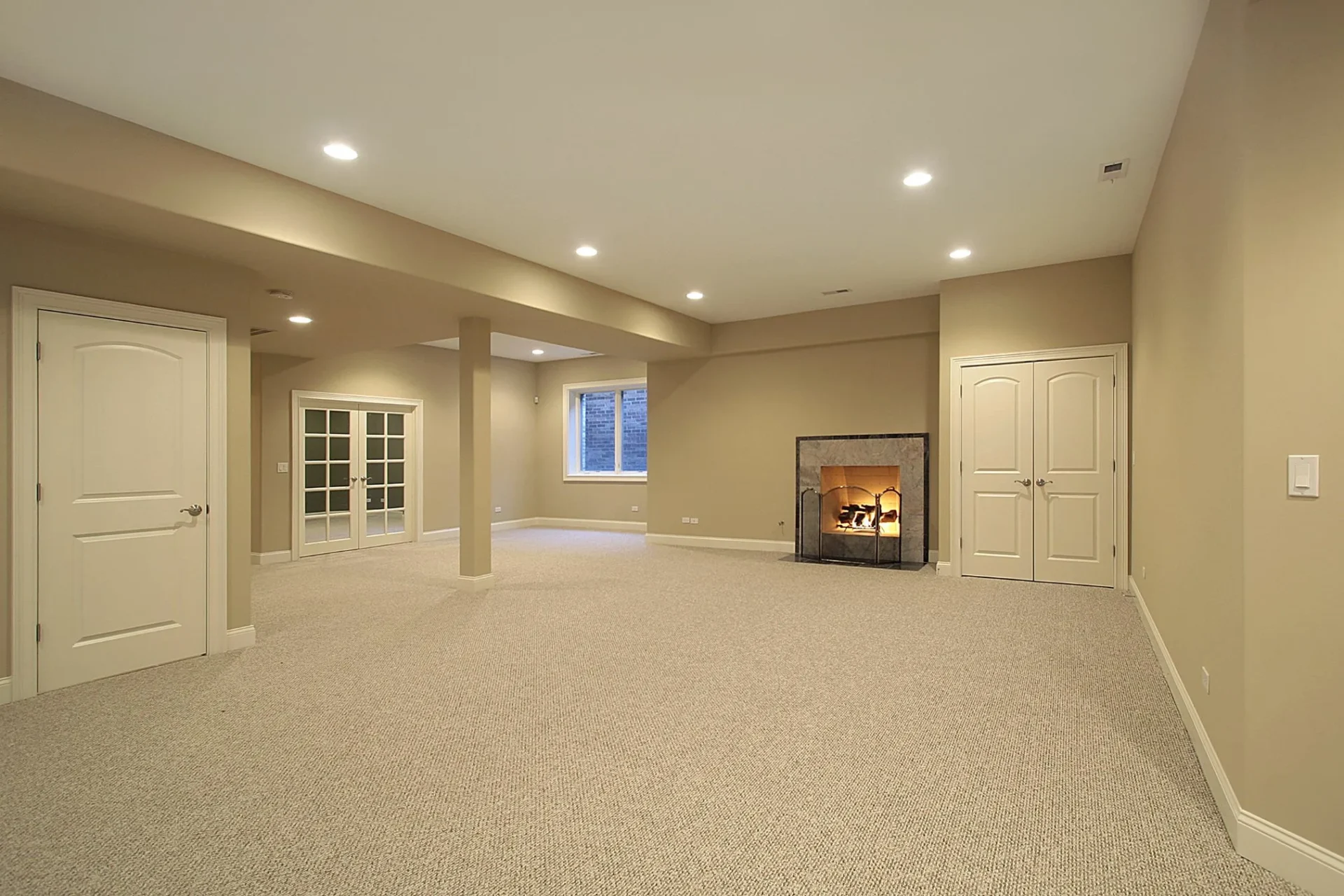
Finishing a basement sounds straightforward until the work actually begins. On paper, it is just unused square footage waiting to become something better. In reality, a basement comes with its own set of challenges that do not exist elsewhere in the house. Moisture behaves differently. Lighting requires more thought. Layout decisions that seem obvious at first can become expensive regrets later. Most homeowners only finish a basement once, which is exactly why avoiding common mistakes matters so much.
Mistake 1: Starting Without a Clear Purpose
One of the easiest ways to waste money is to build a space without a specific purpose in mind. Some homeowners begin with a vague idea of wanting more living space and figure out the details later. That approach often produces rooms that look finished but never become part of daily life. Before selecting basement finishing in Waukee, flooring, paint colors, or fixtures, it helps to answer a simple question: What is this space actually supposed to do? A family room, home office, guest suite, fitness area, and entertainment space all require different layouts. The clearer the goal, the better the result.
Mistake 2: Treating Moisture as Someone Else’s Problem
Basements have a reputation for moisture issues for a reason. Even homes that appear perfectly dry can develop problems when walls are enclosed and airflow changes. Small leaks, condensation, and humidity often go unnoticed until damage begins to appear. Unfortunately, by that point, drywall, flooring, and insulation may already need repairs. Moisture management is not the exciting part of a renovation, but it is one of the most important. Ignoring it rarely ends well.
Mistake 3: Choosing Materials Based on Appearance Alone
Everyone wants a beautiful finished space, but appearance should never be the only factor driving decisions. Some materials simply perform better below grade than others. Flooring that works perfectly upstairs may not hold up as well in a basement environment. The same goes for certain trim products and wall finishes. Practicality is not glamorous, but durability has a way of becoming very attractive a few years later when everything still looks the way it should.
Mistake 4: Underestimating Lighting
A surprisingly large number of basement projects end up feeling darker than expected. The problem is not usually a lack of square footage. It is a lack of thoughtful lighting. A few ceiling fixtures rarely create the warmth people imagine during the planning phase. Layered lighting tends to make the biggest difference. Recessed lights, task lighting, and strategically placed fixtures can completely change how a room feels. Done well, a basement can feel every bit as inviting as the main floor.
Mistake 5: Dividing the Space into Too Many Rooms
There is often a temptation to squeeze every possible function into the basement. A small office here, a storage room there, maybe an extra wall just in case. Before long, the entire floor plan feels chopped up. Most basements benefit from a little breathing room. Open layouts generally feel larger, brighter, and more flexible. Walls should exist because they solve a problem, not because there happens to be space to build them.
Mistake 6: Forgetting About Storage
This mistake usually reveals itself months after the project is complete. The basement looks fantastic until holiday decorations, sports equipment, luggage, and everything else that used to live downstairs suddenly have nowhere to go. Storage is rarely the most exciting topic during a renovation discussion, but it is one of the most practical. A well-designed storage area can prevent clutter from slowly taking over an otherwise beautiful space.
Mistake 7: Designing Only for Today
Life changes. Kids grow up. Work situations shift. Interests evolve. A basement that serves one purpose today may need to serve another purpose five years from now. Flexible layouts tend to age better than highly specialized ones. The smartest designs leave room for adaptation without requiring another major renovation later.
Mistake 8: Prioritizing Price Over Experience
Most people want a good deal, and that’s understandable, but the lowest price on paper doesn’t always translate into the best outcome once the work is done. There are a lot of hidden layers with basement projects that never really show up in a quote. Framing, insulation, wiring, and moisture management, all of it is underneath the final surfaces silently performing its thing. If a product is rushed or done low-cost, you tend to notice that later in ways that are frustrating to deal with, especially in basements. With most homeowners come to find that steady experience and attention to detail are more important in the long run than knocking a few bucks off the initial cost.
Mistake 9: Confusing Finishing with Remodeling
The terms get used all the time interchangeably, but they are not the same thing. Basement remodeling in Waukee typically involves updating an existing finished area, while finishing transforms an unfinished space into a livable part of the home. Understanding that distinction helps homeowners set realistic expectations for budgets, timelines, and construction requirements before work begins.
Conclusion
A good basement project usually comes down to a long list of small, practical decisions made well before anything gets built. It is not just about how it looks at the end, but how it holds up when it is actually being used day to day. Planning matters more than most people expect, and so do the materials you choose, the way the lighting is handled, and whether the space still makes sense a few years down the line. Basement finishing in Waukee is not a casual upgrade; it is a real investment in how you live in your home, and it should be treated that way from the start. If you are thinking about turning your basement into something more usable, it helps to work with people who have seen the process enough times to know where things usually go wrong and how to keep them simple. Culp Home Improvement LLC is one of those teams you can reach out to when you are ready to talk through ideas and figure out what actually works in your space.
