
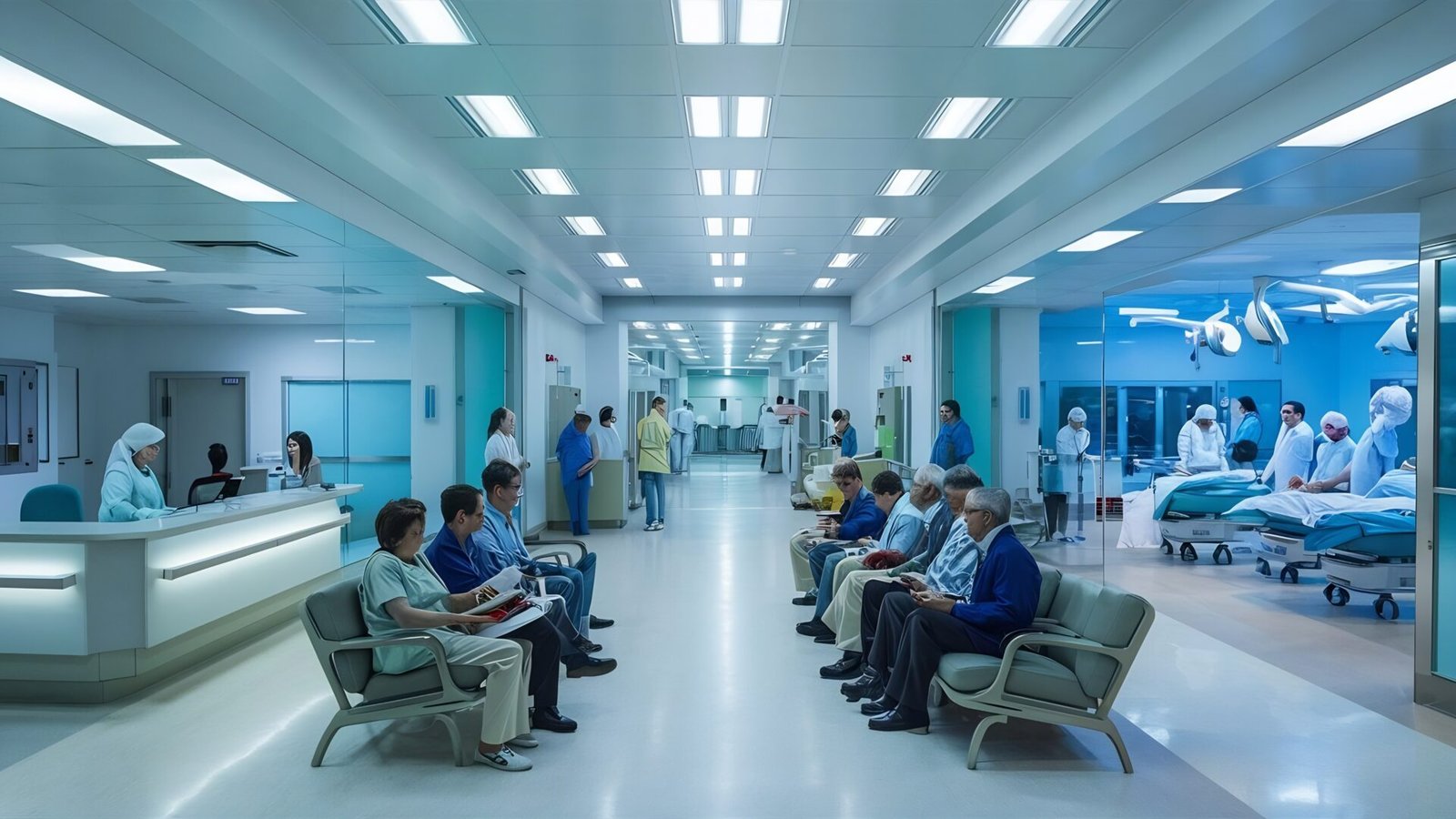
In today’s fast-moving world, healthcare needs are changing quickly. People don’t just want treatment when they are sick; they want complete care under one roof, fast diagnosis, and expert doctors for every health issue. This is exactly why multispeciality hospitals are becoming the preferred choice for many families.
A multispeciality hospital in Anna nagar is a good example of how modern healthcare is designed to make life easier for patients. Instead of going to different clinics for different problems, patients can consult multiple specialists in one place. Whether it is heart care, bone problems, diabetes management, or emergency treatment, everything is available in a single hospital. This saves time, reduces confusion, and improves the chances of getting the right treatment quickly.
Let’s understand in detail why multispeciality hospitals are considered the best option today.
1. One Hospital for All Health Problems
One of the biggest advantages of a multispeciality hospital is convenience. In the past, if someone had multiple health issues, they had to visit different hospitals or clinics. For example, a diabetic patient might also need a cardiologist, an eye specialist, and a kidney specialist. Managing all these appointments separately is stressful.
In a multispeciality hospital, all these departments exist under one roof. Doctors can also communicate with each other easily, which helps in better diagnosis and treatment planning. This teamwork approach improves patient care significantly.
2. Better Coordination Between Doctors
Healthcare is not just about one doctor treating one problem anymore. Many patients have complex conditions that require multiple experts. In multispeciality hospitals, doctors from different departments work together as a team.
For example, if a patient comes in with chest pain, a cardiologist may check the heart, while a general physician evaluates overall health, and a radiologist performs scans. This coordination ensures that nothing is missed and the patient receives the best possible care.
3. Advanced Medical Technology
Modern multispeciality hospitals are equipped with advanced medical tools and technologies. From MRI scans and CT scans to robotic surgery systems and advanced ICUs, everything is available in one place.
This helps in faster diagnosis and more accurate treatment. Patients do not need to travel to different diagnostic centers, which saves both time and money. Technology also plays a major role in emergency care where every second matters.
4. Emergency and Critical Care Support
Emergencies can happen anytime. In such situations, having immediate access to critical care can save lives. Many multispeciality hospitals have well-equipped emergency departments and ICUs that operate 24/7.
An ICU hospital in Mogappair is designed to handle critical patients who need constant monitoring and advanced life support systems. Whether it is a road accident, heart attack, or severe infection, ICU teams are trained to respond quickly and efficiently.
The availability of intensive care within the same hospital ensures that patients do not lose precious time being transferred elsewhere.
5. Expert Doctors Across Specialities
Multispeciality hospitals usually have experienced doctors across various fields such as:
- Cardiology (heart care)
- Neurology (brain and nerves)
- Orthopedics (bones and joints)
- Pediatrics (children’s health)
- Gynecology (women’s health)
- Gastroenterology (digestive system)
This wide range of expertise ensures that patients receive accurate diagnosis and specialized treatment without delay. Instead of relying on a general opinion alone, patients get multiple expert perspectives.
6. Cost-Effective in the Long Run
At first, some people think multispeciality hospitals are expensive. However, in the long run, they can actually help save money. Since all services are available in one place, patients avoid repeated consultations, unnecessary tests, and travel costs.
Also, early and accurate diagnosis reduces the chances of complications, which can otherwise lead to expensive long-term treatments. So overall, multispeciality hospitals are often more cost-efficient than visiting multiple small clinics.
7. Complete Patient Records in One System
Another major advantage is the centralized medical record system. In multispeciality hospitals, all patient reports, scans, prescriptions, and medical history are stored in one system.
This makes it easier for doctors to track progress and understand past conditions. It also reduces the risk of missing important information, which can sometimes happen when patients visit multiple independent clinics.
8. Better Support for Long-Term Diseases
Chronic diseases like diabetes, hypertension, kidney disorders, and asthma require long-term care and regular monitoring. Multispeciality hospitals are ideal for such conditions because patients can easily switch between specialists as needed.
For example, a diabetic patient may need an endocrinologist, a dietician, an eye specialist, and a heart specialist. Having all of them in one hospital makes treatment smoother and more effective.
9. Faster Diagnosis and Treatment
Time plays a very important role in healthcare. Multispeciality hospitals reduce delays because diagnostic labs, scanning facilities, and specialist doctors are all available within the same campus.
This leads to faster test results and quicker treatment decisions. In serious conditions like stroke or heart attack, this speed can make a huge difference in recovery outcomes.
10. Family-Friendly Healthcare Experience
Multispeciality hospitals are designed to handle not just patients but entire families. Whether it is child healthcare, pregnancy care, or elderly care, everything is available in one place.
Families find it easier to manage appointments, treatment schedules, and emergencies when everything is centralized. This reduces stress and improves overall experience during difficult times.
11. Focus on Preventive Healthcare
Today, hospitals are not just about treating diseases—they also focus on preventing them. Multispeciality hospitals often conduct health check-up packages, screening programs, and awareness campaigns.
These preventive services help detect health issues early, before they become serious. Early detection leads to easier treatment and better recovery.
12. Rehabilitation and Recovery Support
After major surgeries or serious illnesses, recovery is just as important as treatment. Many multispeciality hospitals offer physiotherapy, rehabilitation programs, and counseling services.
This ensures that patients recover faster and regain their normal lifestyle in a structured and supported environment.
Conclusion
Multispeciality hospitals have completely changed the way healthcare is delivered today. They bring together expert doctors, advanced technology, emergency care, and complete medical services under one roof. This makes healthcare faster, safer, and more convenient for everyone.
Whether it is routine check-ups or critical emergencies, having access to a well-equipped hospital makes a huge difference. These institutions ensure that patients get the best treatment at the right time.
In a world where health challenges are becoming more complex, multispeciality hospitals stand out as the most reliable and efficient healthcare solution for individuals and families alike.
