
There’s a moment every angler knows well you’ve spotted the perfect rise, the trout is actively feeding, the hatch is on, and your fly lands with a loud splat three feet off target. The fish vanishes. That’s not bad luck. That’s a casting problem.
Whether you’re wading a spring creek or drifting a western tailwater, the way you deliver your fly is every bit as important as what fly you tie on. In fact, many seasoned guides will tell you that fly fishing casting separates the anglers who occasionally catch fish from those who consistently do.
Why Casting Technique Is the Foundation of Fly Fishing Success
Most beginners focus almost entirely on fly selection. And while matching the hatch matters, a perfectly chosen fly that lands sloppily will spook fish more often than it catches them. The truth is, trout (and most fish) aren’t just responding to what they see they’re responding to how naturally something behaves on the water.
A well-executed cast accomplishes three critical things:
- Accurate placement – landing the fly exactly where the fish is feeding
- Clean presentation – minimal drag, realistic drift, no unnatural disturbance
- Distance control – being able to reach fish without wading into their zone
When your fly-fishing casting checks all three boxes, your fly behaves like real food. That’s when the magic happens.
The Most Common Casting Mistakes (And What They Cost You)
1. Tailing Loops
A tailing loop happens when the rod tip dips during the forward stroke, causing the fly line to cross itself. The result? Tangled leaders, poor turnover, and a fly that crashes into the water rather than landing softly. Fish that are within 20 feet will often scatter on impact.
2. Over-Powering the Cast
Applying too much force, especially on short casts, creates a “slap” effect. The energy traveling through the line doesn’t dissipate properly, and the fly hits the surface hard. In clear, calm water, this is almost always a deal-breaker.
3. Creep and Drift Errors
Many anglers unknowingly move their rod hand forward during the pause between the backcast and forward cast. This shortens the effective stroke and collapses the loop, costing both distance and accuracy.
4. Poor Line Management
Stray loops of line at your feet, improper shooting technique, or failure to mend after the cast leads to drag where the current pulls your fly unnaturally across the surface. Trout see drag as a red flag.
How Better Casting Directly Improves Fly Presentation
Softer Landings, More Strikes
Studies conducted on technical spring creeks have shown that trout in clear, low-pressure water reject flies with hard landings up to 70% more often than those that settle gently. A practiced fly fishing casting motion using a longer, slower stroke with a controlled stop creates exactly this kind of soft delivery.
The key is allowing the energy to fully “unroll” through the leader before the fly touches down. This is what instructors call a “turnover,” and nailing it consistently is what separates competent casters from great ones.
Reach casts and mends buy you more drift.
On rivers with complex currents, a standard overhead cast often leads to instant drag. Reach casts where you move the rod upstream as the fly line lands pre-position your line to delay drag and extend the natural drift window. More drift time means more opportunity for a strike.
Combine that with a quick upstream mend after the fly lands, and you can often double or triple the length of a clean, drag-free presentation.
Accuracy Puts the Fly in the Strike Zone
Most fish hold in very specific feeding lanes sometimes no wider than a few inches. A cast that lands six inches outside that lane will often be completely ignored, even if the fly pattern is perfect. Improving accuracy in your fly fishing casting is arguably the single highest-return skill you can develop.
Practice casting to a target (a paper plate in the yard works perfectly) at varying distances. Work on consistency first then distance.
Techniques Worth Adding to Your Casting Toolkit
The Reach Cast – Add upstream reach as the line unrolls for an instant drag-free drift.
The Slack Line (Puddle) Cast – Deliberately introduce slack into the leader on the cast to accommodate complex current seams.
The Pile Cast – Pile line directly in front of the fly to create a buffer against drag on fast-moving currents.
The Haul (Single and Double) – Learning to haul increases line speed, which tightens loops, extends distance, and makes casting in wind far more manageable.
Each of these builds on a solid foundational stroke. If your basic cast is inconsistent, adding advanced techniques will only add complexity without results. Get the basics dialed first.
Gear That Supports Better Casting
Technique matters most, but equipment plays a supporting role. A well-matched rod, reel, and fly line can make casting noticeably easier, especially for beginners. Look for rods with a progressive action if you’re learning; they’re more forgiving on timing.
Line choice is often underestimated. A high-quality fly line with the right taper for your rod weight loads the rod more efficiently, giving you better feedback and control. Brands that engineer lines for specific casting applications, not just a generic “WF5F,” make a tangible difference on the water.
Final Thoughts
Improving your fly fishing casting is the single most impactful investment you can make as an angler. It’s not glamorous, and it takes time, but every hour of focused practice translates directly to more fish, more drift, and more connection with the water.
Fish don’t give second chances. But a well-placed cast? That gives you a real one.
Ready to Level Up on the Water?
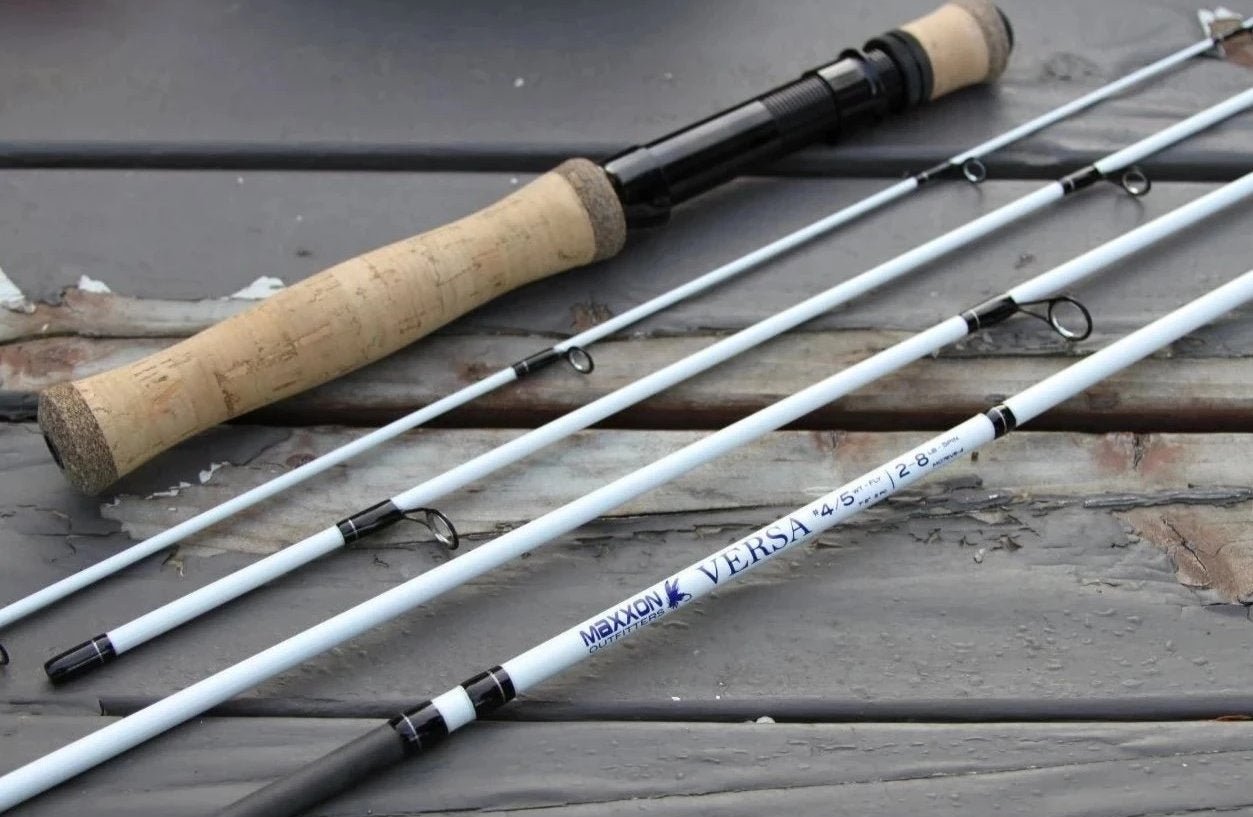
If you’re looking for premium gear designed to complement precise casting technique, explore the Maxxon Fly double XX rods, engineered for anglers who take presentation seriously. Whether you’re dialing in short-range accuracy or shooting line across a wide run, the right setup makes every cast count.
Visit Maxxon Fly to learn more, explore the full product lineup, or get in touch with the team for personalized gear recommendations.
Frequently Asked Questions
How does fly fishing casting affect presentation?
The way you cast directly determines how naturally your fly lands and drifts. A well-executed cast delivers the fly softly, at the correct angle, with enough slack in the leader to resist drag. Poor casting, hard landings, tailing loops, or slack-line issues creates unnatural movement that most fish will reject. Improving your casting fundamentals is the fastest way to improve your overall presentation.
What are the most important fly casting techniques for beginners?
New anglers should focus first on the basic overhead cast specifically timing the pause between backcast and forward cast, keeping the rod tip on a straight path, and stopping the rod firmly at the right angle. Once that’s consistent, learning the reach cast and basic mending will dramatically improve your drag-free drift. These core fly casting techniques apply across almost every situation you’ll encounter.
How can I practice fly fishing casting without being on the water?
Lawn casting is one of the most effective practice methods used by instructors. Use a short piece of yarn tied to your leader (to avoid hooking yourself or others) and cast to targets like paper plates or hula hoops set at different distances. Focus on accuracy and loop shape, not distance. Even 15–20 minutes of intentional lawn casting practice per week produces noticeable improvements on the water.
What causes fly line drag, and how does casting help prevent it?
Drag occurs when conflicting current speeds pull the fly line at a different rate than the fly, creating unnatural movement. Skilled casters prevent drag by using reach casts, pile casts, and upstream mends, all of which buy extra drift time before the line tightens. The better your casting mechanics, the more control you have over where and how your line lands, which directly reduces drag.
Does the type of fly rod or line affect casting accuracy?
Yes, significantly. A rod matched to your casting style and the type of fishing you do will load more predictably and give you better feedback on your stroke. Similarly, a fly line tapered for accuracy such as a presentation taper turns over more delicately than a heavier, more aggressive taper. That said, technique always comes first: even the best equipment won’t compensate for fundamental casting errors.
