
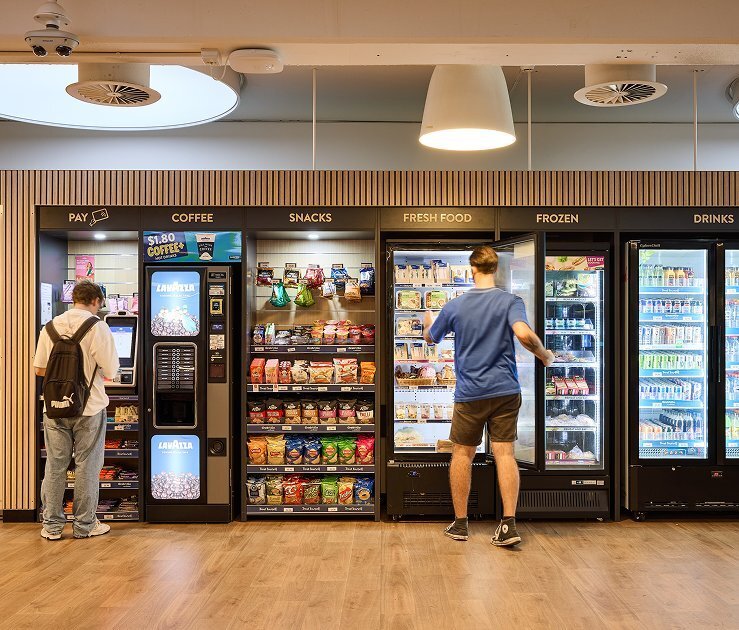
If you are considering entering the vending machine industry in Australia, the first question on your mind is almost certainly about profit potential. Not all vending machines are created equal, and understanding which categories generate the strongest returns can mean the difference between a thriving passive income stream and a machine that barely covers its operating costs. Whether you are a first-time investor or an established operator looking to expand, knowing where to place your capital is everything. Learn more: https://vending-systems.com.au/get-in-touch/
Understanding Vending Machine Profitability in the Australian Market
Profitability in vending is shaped by several interconnected factors: product margin, machine footfall, restocking frequency, machine upfront cost, and ongoing maintenance. Australia’s urban density, high foot traffic in commercial precincts, and strong café and snack culture make it a particularly attractive market for vending operators.
When speaking to experienced operators and suppliers, one pattern becomes clear: the most profitable vending machines are those that serve high-demand consumables in locations where people have limited or no alternatives. This insight should guide every placement decision you make.
The Most Profitable Types of Vending Machines
1. Snack and Confectionery Vending Machines
Snack machines remain the backbone of the Australian vending industry. Stocked with chips, chocolate bars, muesli bars, nuts, and biscuits, these machines benefit from impulse buying behaviour and consistent repeat demand. The profit margins on individually packaged snacks are strong, often ranging from 40 to 60 per cent over cost price, and restocking can be managed efficiently with a modest weekly route.
The best-performing snack machines are those placed in high-traffic environments such as hospitals, universities, office buildings, gyms, and transport hubs. In these locations, demand remains steady regardless of the time of year, which reduces the seasonal income variability that affects other retail formats.
2. Cold Drink and Beverage Vending Machines
Beverage machines, particularly those dispensing chilled soft drinks, water, sports drinks, and energy drinks, are consistently among the highest-grossing vending machines per unit. The Australian climate naturally supports strong year-round demand for cold drinks, and the per-unit margins on beverages, while slightly thinner than snacks in percentage terms, make up for it through sheer volume.
Combination machines that vend both snacks and beverages from a single unit are increasingly popular with operators managing multiple sites, as they reduce the number of machines required while still capturing both revenue streams.
3. Fresh Food and Healthy Vending Machines
The shift toward healthier eating habits among Australian consumers has opened a genuinely profitable niche: fresh food vending. These machines dispense sandwiches, wraps, salads, yoghurts, and fresh fruit cups in refrigerated units. The margins on fresh food can be higher per item than traditional snacks, and the segment appeals to corporate and healthcare environments where employers and facility managers are actively seeking healthier options for staff and visitors.
The trade-off is a shorter product shelf life and more frequent restocking requirements. However, operators who establish reliable supplier relationships and efficient route management find that fresh food machines can outperform traditional snack units significantly in the right location.
4. Coffee and Hot Beverage Vending Machines
Australia’s coffee culture is genuinely world-class, and this has created a compelling opportunity for quality hot beverage machines. Bean-to-cup coffee vending machines, which grind fresh beans and produce espresso-based drinks comparable to café quality, command premium price points. A single cup of vended coffee can retail between $2.50 and $4.50, with a product cost of well under $1.00 in many instances.
Locations such as office buildings, waiting rooms, universities, and transport terminals are ideal. The key differentiator here is quality: Australians will walk past a poor-quality coffee machine, but a machine that consistently delivers a satisfying cup will generate loyal repeat customers. Initial investment in a quality machine is non-negotiable in this category.
5. Personal Care and Hygiene Vending Machines
Often overlooked by new operators, personal care vending machines stocked with items such as toiletries, feminine hygiene products, sunscreen, over-the-counter pain relief, and travel essentials perform exceptionally well in airports, shopping centres, gyms, and hotels. The margins are high, restocking is infrequent compared to food machines, and the products are genuinely needed rather than impulse-purchased.
These machines are particularly effective in locations where people are away from home or caught without essential items. An airport terminal vending machine selling travel-sized toiletries, for instance, can generate surprisingly robust revenue with minimal ongoing effort.
6. Specialty and Niche Vending Machines
In recent years, specialty vending machines have emerged as a profitable segment for operators willing to identify underserved markets. Examples include:
- Electronics accessories: USB cables, earphones, phone chargers, and portable battery packs placed in airports and train stations.
- Pet supplies: Located near veterinary clinics, dog parks, and pet-friendly accommodation.
- Stationery and school supplies: Positioned in university libraries and school campuses.
- Workwear and PPE: Placed in industrial facilities and construction sites.
The margins in niche categories are often very high because there is minimal local competition and a captured audience with an immediate need.
What Really Determines Profitability: Location Is Everything
Across all vending categories, the single most powerful driver of profitability is location. A premium machine in a poor location will consistently underperform a basic machine in an exceptional location. Before purchasing any machine, conduct thorough foot traffic analysis, speak with facility managers about daily visitor numbers, and assess the competitive landscape, meaning how many other food and drink options are available within the immediate area.
The ideal vending location has the following characteristics:
- High daily foot traffic of at least several hundred people
- Limited or no direct competition from nearby cafés, canteens, or shops
- A captive audience that cannot easily leave to find alternatives
- Long operating hours or a 24-hour presence where staff or visitors require access
Hospital corridors, university study spaces, large office buildings, gyms, and industrial facilities consistently meet these criteria and are regarded as gold-standard placements by experienced Australian operators.
How to Source the Right Machine for Your Business
Choosing the right equipment supplier is as important as choosing the right location. Working with reputable vending machine manufacturers Sydney operators have found to be reliable ensures that you receive machines built to Australian compliance standards, backed by local warranty support, and compatible with modern cashless payment systems.
When evaluating suppliers, look for companies that offer:
- Machines with telemetry and remote monitoring capabilities
- Cashless payment compatibility including tap-and-go and mobile payments
- Local technical support and spare parts availability
- Flexible purchasing options including outright purchase, lease, and revenue-share arrangements
Telemetry-enabled machines are particularly valuable for operators managing multiple sites, as they provide real-time data on stock levels, sales figures, and machine faults, allowing you to optimise restocking schedules and respond to issues without unnecessary site visits.
Common Questions About Vending Machine Profitability
Q. How much can a vending machine earn per month in Australia?
A: Earnings vary considerably based on machine type and location. A well-placed snack and drink combination machine in a busy office building or hospital corridor might generate between $800 and $2,500 per month in gross revenue. After accounting for product costs, servicing, location fees, and machine financing, net monthly profit for a single well-placed machine commonly sits between $300 and $1,000. Operators running a route of ten or more machines in strong locations report annual net incomes well into the six figures.
Q. Is a vending machine business a good investment in Australia?
A: For people who approach it methodically, research their locations carefully, and invest in quality equipment, vending can be an excellent passive income business. The barriers to entry are relatively low compared to other forms of retail, the ongoing time commitment is modest once routes are established, and the business scales efficiently. The greatest risk lies in poor location selection or underestimating the importance of machine reliability and presentation.
Q. What is the difference between gross margin and net margin in vending?
A: Gross margin refers to the difference between the retail price of a product and the cost of the product itself. In vending, gross margins of 40 to 65 per cent are common depending on the product category. Net margin accounts for all additional costs including machine finance or depreciation, location rental fees, fuel and labour for restocking, maintenance and repairs, and licensing or insurance. Understanding both figures is essential for accurately modelling the profitability of any machine or route.
Q. How many machines do you need to make vending a full-time business?
This depends on the quality of your locations and the categories you operate. Many Australian operators transition to full-time vending with a portfolio of between 15 and 30 machines across strong locations. Starting with three to five machines allows you to learn the operational rhythms before scaling, which is the approach most experienced operators recommend.
Q. What are the biggest mistakes new vending operators make?
A: The most commonly cited mistakes include placing machines in low-traffic locations due to a focus on low rental fees, purchasing the cheapest available machines that lack reliability and modern payment options, failing to keep machines well-stocked and clean, and pricing products too conservatively out of fear of deterring customers. Research consistently shows that customers in vending environments prioritise convenience and product availability over price, which means under-pricing erodes margins without meaningfully increasing volume.
Conclusion
The most profitable vending machines in the Australian market are those that serve genuine, recurring needs in locations with high foot traffic and limited alternatives. Snack and beverage machines remain the industry staple for good reason, while coffee machines, fresh food units, and specialty niche machines offer compelling opportunities for operators willing to invest in the right equipment and placements.
Success in vending is not accidental. It comes from disciplined location research, investment in quality and compliant equipment, a commitment to machine presentation and reliability, and a clear understanding of the numbers behind each placement. With the right approach, vending represents one of the more accessible and genuinely rewarding paths to building a scalable passive income business in Australia.
