
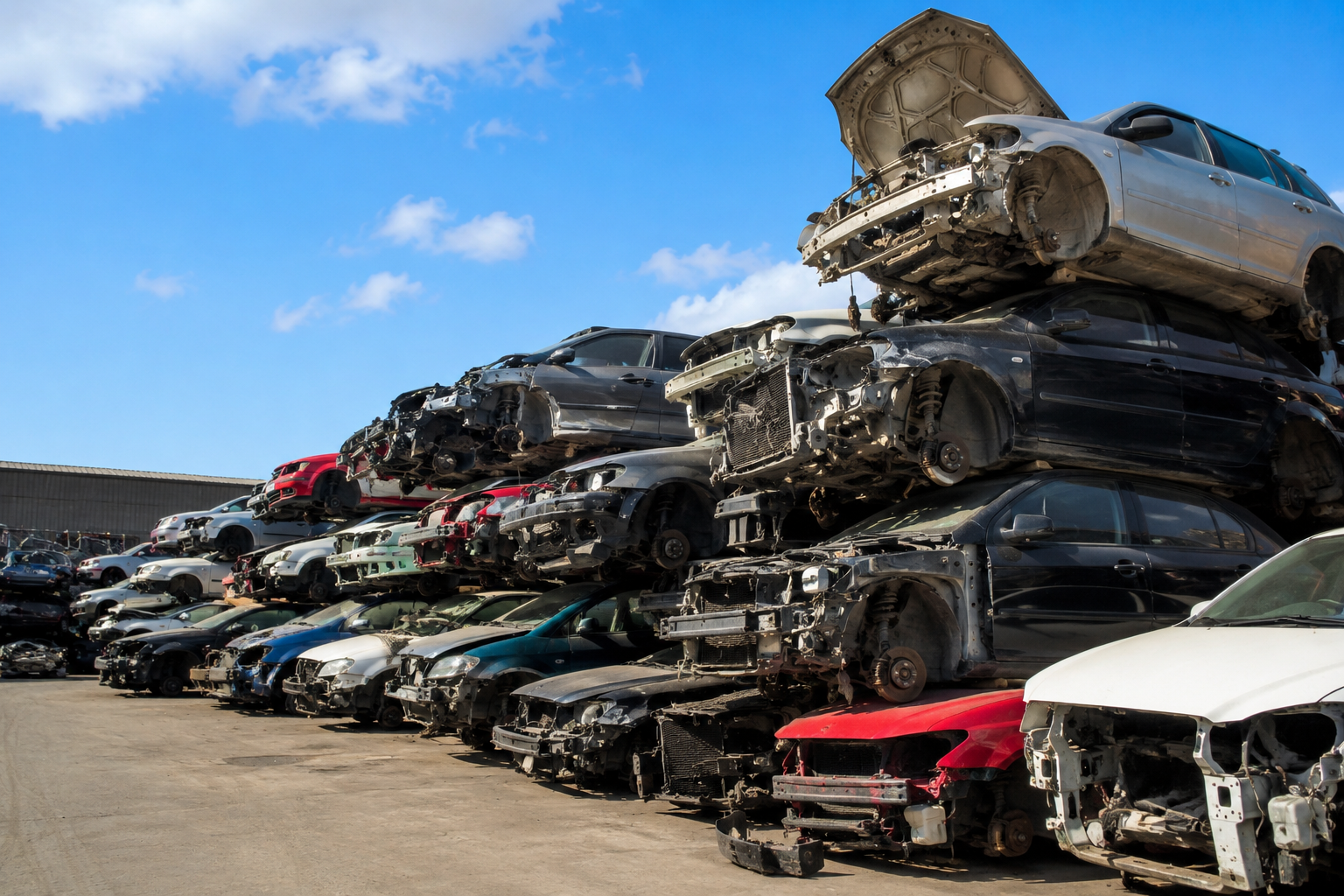
Many vehicles eventually reach a point where repairs are no longer practical. Some become too costly to maintain, while others suffer severe accident damage, mechanical failure, rust, or age-related wear. When this happens, owners often start looking for a safe and practical way to remove the vehicle.
This is where Car Wreckers Sydney play an important role. They help remove vehicles that are no longer suitable for regular road use and ensure that usable parts and materials are recovered instead of ending up in landfill.
If you are researching options for an unwanted vehicle, it is worth learning how the process works and what happens after a car reaches a wrecking yard. For more information about vehicle removal and recycling services in Sydney, visit: https://primocarremoval.com.au/
Understanding the Role of Car Wreckers
Car wreckers are businesses that dismantle vehicles and recover reusable parts and recyclable materials. Their work supports the automotive recycling industry by reducing waste and extending the life of vehicle components.
When a vehicle arrives at a wrecking facility, it is carefully inspected. Parts that can still be used are removed, tested, and prepared for resale. Materials such as steel, aluminium, copper, and plastics are separated for recycling.
This process helps reduce the demand for newly manufactured materials and keeps large amounts of automotive waste out of landfill sites.
Why Vehicle Recycling Matters
Vehicle recycling has become an important part of waste management across Australia.
Every year, thousands of vehicles reach the end of their useful life. Without proper recycling systems, these vehicles could create environmental problems due to the presence of oils, fluids, batteries, and other materials.
Environmental Benefits
Reduces Landfill Waste
Vehicles contain large amounts of metal and other recyclable materials. Recycling prevents these resources from being discarded unnecessarily.
Conserves Raw Materials
Reusing existing metals reduces the need for new mining and manufacturing activities.
Limits Pollution
Proper handling of automotive fluids and hazardous materials helps prevent contamination of soil and water.
Supports a Circular Economy
Vehicle dismantling and recycling allow materials to be reused in future products rather than being wasted.
The Vehicle Dismantling Process
Many people are curious about what happens after their vehicle is collected.
Initial Inspection
The vehicle is examined to determine which parts remain in usable condition.
Fluid Removal
Fuel, engine oil, coolant, transmission fluid, and other liquids are drained and stored for proper disposal or treatment.
Parts Recovery
Components such as engines, gearboxes, alternators, radiators, doors, mirrors, wheels, and electronic systems may be removed if they are suitable for reuse.
Material Separation
Different materials are separated for recycling. This commonly includes:
- Steel
- Aluminium
- Copper
- Plastic
- Glass
- Rubber
Crushing and Recycling
After usable parts are removed, the remaining vehicle shell is processed and sent for metal recycling.
Common Vehicles Accepted by Sydney Wreckers
Many people assume only completely damaged vehicles are accepted. In reality, wreckers often handle a wide range of vehicles.
These may include:
- Accident-damaged cars
- Flood-affected vehicles
- Fire-damaged vehicles
- Unregistered vehicles
- Old family cars
- Scrap vehicles
- Commercial vans
- Utes
- SUVs
- Four-wheel drives
The condition of the vehicle usually determines which parts can be recovered and recycled.
How Scrap Car Recycling Supports Local Communities
A growing focus on sustainability has increased interest in scrap car recycling Sydney services.
When vehicles are recycled correctly, local communities benefit through reduced waste and increased resource recovery. Automotive recycling also supports industries that rely on recycled metals and reusable vehicle components.
Many repair workshops and vehicle owners purchase recycled parts because they help extend the life of existing vehicles while reducing unnecessary manufacturing demand.
Signs Your Vehicle May Be Near the End of Its Life
Some vehicle owners continue spending money on repairs without considering whether the car is still practical to keep.
Several signs may indicate a vehicle is approaching the end of its usable life.
Frequent Mechanical Failures
Repeated breakdowns often signal significant wear throughout the vehicle.
Severe Rust Damage
Structural rust can affect safety and may be difficult to repair economically.
Major Accident Damage
Vehicles involved in serious collisions may require extensive repairs.
Expensive Repairs
When repair costs continue to rise, many owners start exploring alternative options.
Long Periods of Inactivity
Vehicles that sit unused for extended periods often develop additional mechanical problems.
The Importance of Recycled Auto Parts
One of the most valuable outcomes of vehicle dismantling is the recovery of reusable parts.
Many components remain functional long after a vehicle has stopped operating. These parts can be fitted to similar vehicles and continue serving a useful purpose.
Common recycled components include:
- Engines
- Transmissions
- Starter motors
- Alternators
- Headlights
- Tail lights
- Wheels
- Suspension components
- Interior parts
- Body panels
The reuse of automotive parts helps reduce waste while supporting the broader repair industry.
Choosing a Vehicle Recycling Service
When searching for Car Wreckers Sydney, it is important to look for businesses that follow proper recycling and disposal practices.
Consider factors such as:
Environmental Practices
Look for businesses that safely handle automotive fluids and hazardous materials.
Vehicle Types Accepted
Check whether the service handles your vehicle’s make, model, and condition.
Collection Arrangements
Understand how vehicle transport and collection are organised.
Licensing and Compliance
Proper licensing helps ensure vehicles are dismantled according to relevant regulations.
Recycling Commitment
A strong focus on parts recovery and material recycling contributes to better environmental outcomes.
A Local Example in Sydney
One business involved in vehicle removal and recycling is Primo Car Removal Sydney. The company works with unwanted, damaged, old, and scrap vehicles while supporting the process of vehicle dismantling, parts recovery, and material recycling throughout the Sydney region.
What Materials Can Be Recycled from a Vehicle?
Many people are surprised by how much of a vehicle can be reused or recycled.
Metal
Steel and aluminium make up a significant portion of most vehicles and are commonly recycled.
Batteries
Vehicle batteries contain materials that can be recovered and reused.
Tyres
Tyres may be processed into products used in construction, landscaping, and other applications.
Glass
Windscreens and windows can often be recycled into new products.
Plastics
Many plastic vehicle components can be reprocessed and reused.
Rubber Components
Rubber parts may be recycled for various industrial uses.
The Future of Vehicle Recycling in Australia
As environmental awareness continues to grow, vehicle recycling is expected to play an even larger role in Australia’s waste reduction efforts.
New technologies are improving the recovery of materials from modern vehicles. This includes the recycling of electronic components and the handling of vehicles with increasingly complex systems.
The automotive industry is also placing greater emphasis on sustainability, making recycling and reuse important parts of long-term environmental planning.
For vehicle owners, this means more opportunities to ensure unwanted cars are processed responsibly rather than abandoned or sent directly to landfill.
Conclusion
Old, damaged, and unwanted vehicles still contain many useful materials and components. Through proper dismantling and recycling, these resources can be recovered and reused instead of becoming waste.
Car Wreckers Sydney contribute to this process by helping remove end-of-life vehicles, recovering reusable parts, and supporting metal recycling efforts. At the same time, scrap car recycling Sydney helps reduce landfill waste, conserve resources, and support more sustainable automotive practices.
Understanding how vehicle recycling works allows car owners to make informed decisions when the time comes to dispose of an unwanted vehicle. Responsible recycling helps both the environment and the broader automotive industry while ensuring valuable materials continue to serve a useful purpose.
