
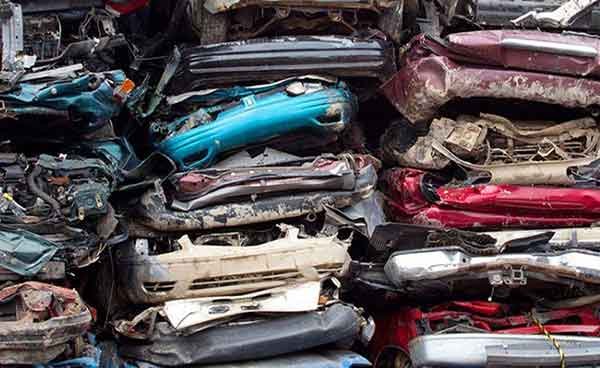
Old, damaged, and unwanted vehicles often take up valuable space while continuing to lose condition over time. Whether a car has reached the end of its life, suffered accident damage, or become too costly to maintain, many owners start looking for practical ways to remove it.
This is where car wreckers Gold Coast services play an important role. They help collect unwanted vehicles, recover reusable components, and recycle materials that would otherwise become waste. This process supports vehicle recycling while helping owners clear space and dispose of cars that are no longer needed.
If you are looking for information about vehicle recycling, car removal, or selling an unwanted vehicle, it is worth exploring your options and learning how the process works. You can find additional information at https://adrians.com.au/
Understanding Car Wreckers on the Gold Coast
Car wreckers purchase vehicles that are no longer suitable for regular road use. These vehicles may include:
- Accident-damaged cars
- Old vehicles
- Unregistered cars
- Flood-affected vehicles
- Mechanical write-offs
- Cars with major engine problems
- Vehicles that have been sitting unused for years
Once acquired, these vehicles go through a dismantling process. Usable parts are separated, while metals and other materials are sorted for recycling.
Many people searching for car wreckers Gold Coast services are looking for a practical way to dispose of vehicles that no longer serve a purpose.
Why Vehicle Recycling Matters
Every vehicle contains a wide range of materials that can be recovered and reused. Steel, aluminium, copper, plastics, glass, and rubber can often be processed and returned to manufacturing supply chains.
Using vehicle recycling Gold Coast services helps reduce the amount of waste sent to landfill. It also reduces the need for newly extracted raw materials.
Vehicle recycling contributes to:
- Reduced landfill waste
- Recovery of usable metals
- Reuse of functioning vehicle parts
- Lower demand for new raw materials
- Better management of automotive waste
These outcomes make recycling an important part of the automotive industry.
What Happens to a Wrecked Vehicle?
Many people wonder what happens after a vehicle reaches a wrecking yard. The process generally follows several stages.
Vehicle Assessment
The vehicle is inspected to determine its overall condition. Workers identify parts that may still be suitable for reuse and determine which materials can be recycled.
Removal of Fluids
Before dismantling begins, fluids such as:
- Engine oil
- Coolant
- Brake fluid
- Fuel
- Transmission fluid
are removed and handled according to environmental requirements.
Parts Recovery
Components that remain in usable condition are removed. These may include:
- Engines
- Gearboxes
- Alternators
- Starter motors
- Wheels
- Panels
- Mirrors
- Lights
Recovered parts may be supplied to vehicle owners seeking replacement components.
Metal Recycling
After useful parts are removed, the remaining vehicle structure is processed for metal recovery. Steel and other metals are separated and prepared for recycling.
Signs It May Be Time to Wreck a Vehicle
Many vehicle owners delay making a decision because they hope repairs will eventually become worthwhile. However, certain situations indicate that wrecking may be a practical option.
Frequent Mechanical Problems
Constant repairs can become expensive over time. When major components repeatedly fail, maintaining the vehicle may no longer make sense.
Severe Accident Damage
Some vehicles suffer structural damage that makes repair difficult or uneconomical.
Long-Term Storage
Cars left unused for years often develop issues such as corrosion, battery failure, tyre deterioration, and mechanical damage.
Failed Registration Requirements
Older vehicles may require substantial repairs before meeting roadworthy standards.
When these situations occur, many owners begin exploring vehicle recycling Gold Coast options.
Environmental Impact of Vehicle Wrecking
Modern vehicle recycling focuses on recovering as many materials as possible.
A typical vehicle contains a significant amount of recyclable metal. By recovering these materials, recyclers help reduce the environmental impact associated with mining and manufacturing.
Other environmental contributions include:
- Reduced waste accumulation
- Proper handling of automotive fluids
- Recycling of metals and plastics
- Recovery of reusable vehicle components
These practices help support more responsible management of automotive waste.
How to Prepare a Vehicle for Wrecking
Before arranging vehicle collection, owners should take several simple steps.
Remove Personal Belongings
Check:
- Glove compartments
- Door pockets
- Centre consoles
- Boot storage areas
- Under-seat compartments
Personal items are commonly overlooked.
Gather Vehicle Documents
Having relevant ownership documents available can help confirm vehicle details.
Remove Valuable Accessories
If certain accessories are not included in the vehicle sale, remove them beforehand.
Record Important Information
It can be useful to keep records relating to registration, ownership, and vehicle identification.
Choosing a Vehicle Recycling Service
Not all vehicle recycling businesses operate in exactly the same way. Vehicle owners often compare several factors before making a decision.
Important considerations include:
- Experience in vehicle dismantling
- Environmental practices
- Vehicle collection services
- Acceptance of different vehicle conditions
- Recycling processes
Understanding these factors helps owners make informed decisions about where their vehicle will go after removal.
A Local Name in Vehicle Recycling
On the Gold Coast, Adrians Metal Recyclers is one example of a business involved in vehicle recycling and metal recovery. Companies operating in this sector assist with removing unwanted vehicles, recovering reusable materials, and supporting the broader recycling industry across the region.
Common Vehicles Accepted by Wreckers
Vehicle wreckers typically accept a wide range of vehicle types.
Passenger Cars
Sedans, hatchbacks, coupes, and wagons are commonly accepted.
SUVs
Many recycling facilities process sport utility vehicles regardless of condition.
Utes
Commercial and personal-use utes are often suitable for dismantling and recycling.
Vans
Delivery vans and passenger vans may contain numerous reusable components.
Four-Wheel Drives
Older four-wheel drives frequently provide parts that remain useful for repairs and maintenance.
The Role of Recycled Auto Parts
Recovered vehicle parts continue to play an important role within the automotive sector.
Many components remain functional even when the original vehicle has reached the end of its useful life.
Examples include:
- Engines
- Transmissions
- Electrical components
- Body panels
- Suspension parts
- Wheels
The recovery and reuse of these components helps extend the life of other vehicles.
Future Trends in Vehicle Recycling
Vehicle recycling continues to evolve as automotive technology changes.
Electric vehicles, hybrid systems, and advanced electronics are creating new opportunities and challenges for recyclers.
Future developments may include:
- Improved battery recycling
- Enhanced material recovery systems
- Greater automation in dismantling processes
- Expanded recycling of electronic components
These developments are expected to strengthen the role of recycling within the automotive industry.
Conclusion
Vehicle wrecking and recycling provide a practical solution for dealing with unwanted, damaged, and end-of-life vehicles. Through dismantling, parts recovery, and material recycling, these services help reduce waste while supporting the reuse of valuable resources.
For many vehicle owners, car wreckers Gold Coast services offer a suitable pathway for removing vehicles that are no longer practical to keep. At the same time, vehicle recycling Gold Coast operations contribute to the responsible management of automotive materials and support ongoing recycling efforts across the region.
