
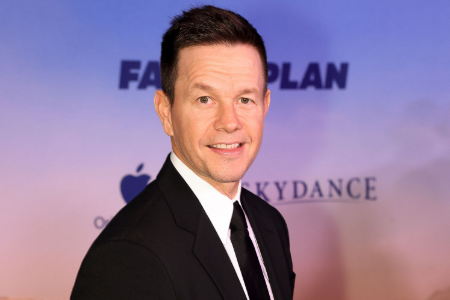
In modern Hollywood, fame can be fleeting. Audiences are fickle, trends shift overnight, and the line between a box office draw and yesterday’s news is incredibly thin. To survive, an actor must possess more than just raw talent—they need a profound sense of adaptability, a relentless work ethic, and a keen business mind. Few individuals exemplify this trifecta better than Mark Wahlberg.
Over a career that spans decades, Wahlberg has successfully rewritten his narrative multiple times. He has transformed himself from a street-smart youth into a chart-topping musician, then into a critical darling, a blockbuster action hero, and finally, one of the most powerful producers in the entertainment industry.
The secret to the enduring success of mark wahlberg lies in his unique ability to connect with audiences as a relatable, authentic figure while simultaneously orchestrating major cinematic moves behind the scenes.
The Relatable Power of the Everyday Hero
One of Wahlberg’s greatest cinematic assets is his inherent relatability. While Hollywood is full of actors who feel distant or untouchable, Wahlberg consistently projects the energy of a grounded, blue-collar individual. This distinct screen presence allows him to anchor high-stakes films with a level of believability that few others can match.
This quality was on full display in his breakout dramatic performance in Paul Thomas Anderson’s Boogie Nights (1997). Playing the naive but ambitious Dirk Diggler, Wahlberg brought a heartbreaking sincerity to a highly complex, chaotic world.
Instead of letting that early critical acclaim box him into a niche indie corner, he strategically expanded his portfolio. He leaned heavily into his physical strengths, leading tense, smart thrillers like The Italian Job (2003) and Shooter (2007). In every role, whether playing a specialized marksman or a street-smart thief, he maintained that core everyman grit that audiences implicitly trust.
The Critical Turning Point: Enter Martin Scorsese
While commercial success came naturally, Wahlberg’s definitive induction into the upper echelons of acting elite occurred in 2006 with Martin Scorsese’s crime masterpiece, The Departed.
Surrounded by an absolute powerhouse cast that included Jack Nicholson, Leonardo DiCaprio, and Matt Damon, it was Wahlberg’s performance as the abrasive, hyper-aggressive Staff Sergeant Dignam that stole the show. His razor-sharp delivery and intense screen presence earned him an Academy Award nomination for Best Supporting Actor.
The nomination did more than just validate his talent; it proved to the global film community that he could go toe-to-toe with the greatest heavyweights in cinema history and walk away as the most memorable element of a Best Picture-winning film.
Becoming the Master of His Own Destiny
Realizing that the longevity of an actor is often at the mercy of studio executives and casting directors, Wahlberg made a pivotal decision at the height of his fame: he stepped behind the camera to become a producer.
As a producer, he showed an incredible eye for compelling, high-stakes narratives. He spent years fighting to get The Fighter (2010) made, a grueling biographical sports drama in which he also starred. The film went on to earn seven Oscar nominations, proving his instincts as an executive were just as sharp as his instincts as an actor.
He followed this triumph by mastering the art of the true-to-life biographical thriller. His creative partnership with director Peter Berg resulted in a string of visceral, deeply respectful films honoring real-life heroes, such as Lone Survivor (2013) and Deepwater Horizon (2016). Simultaneously, he showed an incredible knack for subverting expectations by diving headfirst into broad, wildly successful comedies like Ted (2012) and The Other Guys (2010).
A Lasting Impact on the Silver Screen
Today, Mark Wahlberg operates at a level of career autonomy that few in Hollywood ever achieve. He shifts seamlessly between massive sci-fi tentpoles, sharp comedies, and inspiring biographical dramas, treating every project with a signature, lunch-pail dedication.
His journey serves as an active blueprint for how to navigate the complex machinery of modern entertainment. For an exhaustive, deep-dive breakdown of the key performances and career choices that defined his trajectory, make sure to read the comprehensive retrospective on mark wahlberg.
Ultimately, mark wahlberg legacy is defined by a refusal to stand still. By consistently taking creative risks, expanding his boundaries as an executive, and never losing touch with the raw, grounded authenticity that first caught the public’s eye, he has built a cinematic empire that will endure for decades to come.
