
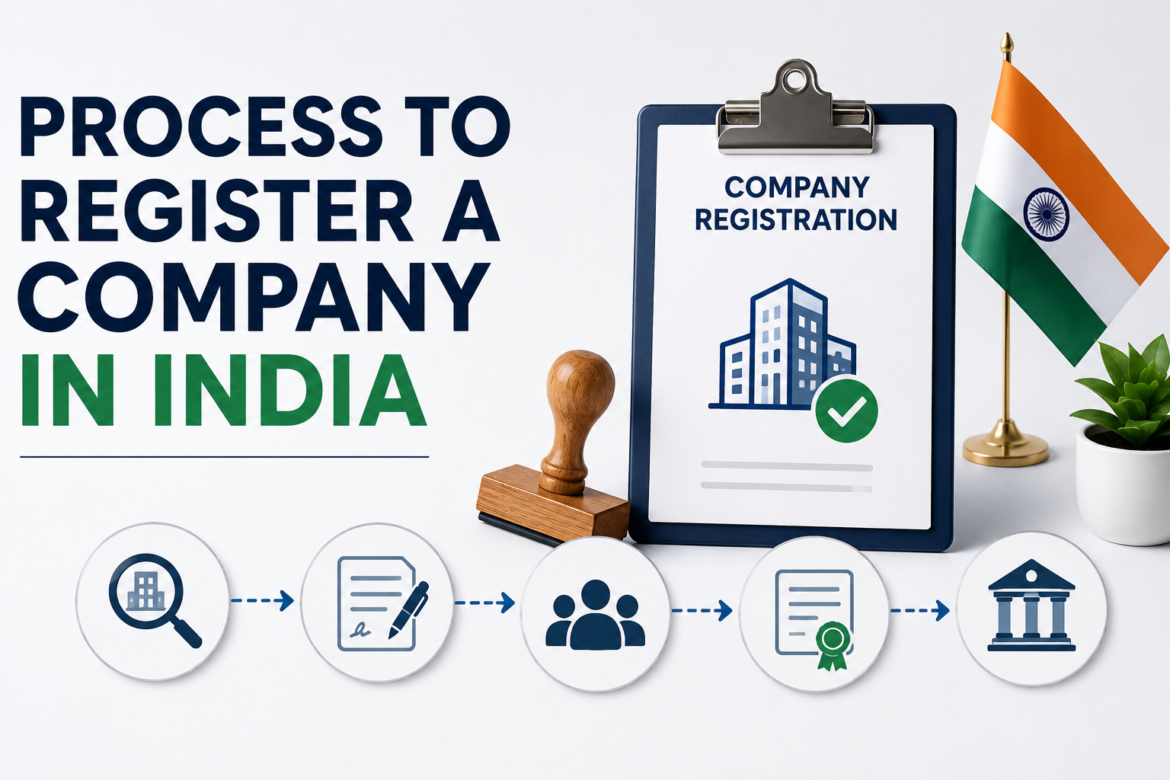
India has become one of the most attractive destinations for business expansion, innovation, and foreign investment. With a growing economy, skilled workforce, large consumer market, and strong startup ecosystem, many entrepreneurs from the UK and Europe are exploring opportunities in India. One of the most common questions foreign investors ask is: what is the process to register a company in India?
Understanding what is the process to register a company in India is essential for businesses planning to establish a legal presence, expand operations, or enter the Indian market. Proper company registration helps businesses operate legally, build credibility, and access growth opportunities.
Why Register a Company in India?
Before understanding what is the process to register a company in India, it is important to know why entrepreneurs choose India for business expansion.
India offers:
- Access to a large and growing market
- Strong economic growth
- Skilled professional talent
- Expanding digital economy
- Growing startup ecosystem
- Increasing foreign investment opportunities
These advantages make India a preferred destination for international businesses.
Understanding the Process to Register a Company in India
The answer to what is the process to register a company in India depends on the type of business structure selected and the nature of the business activities.
However, the registration process generally follows a structured framework that helps establish a legally recognized business entity.
Step 1: Choose the Right Business Structure
The first step in understanding what is the process to register a company in India is selecting the most suitable business structure.
Popular options include:
Private Limited Company
One of the most common structures for startups and foreign investors.
Benefits include:
- Separate legal identity
- Limited liability protection
- Scalability
- Investor-friendly framework
Limited Liability Partnership (LLP)
Suitable for professional service firms and businesses seeking operational flexibility.
Wholly Owned Subsidiary
Foreign companies often establish wholly owned subsidiaries to maintain complete ownership and control.
Selecting the right structure is critical for long-term success.
Step 2: Select a Company Name
A business must choose a unique name that complies with applicable naming guidelines.
The company name should:
- Reflect business activities
- Be distinctive
- Avoid conflicts with existing company names
A strong company name helps build brand recognition and credibility.
Step 3: Prepare Incorporation Documents
An important part of what is the process to register a company in India involves preparing the necessary incorporation documentation.
This typically includes:
- Business information
- Shareholding details
- Director information
- Registered office details
- Constitutional documents
Accurate documentation helps ensure a smooth registration process.
Step 4: Submit Company Registration Application
After preparing the required documents, the company registration application is submitted to the relevant authorities.
The application generally includes:
- Incorporation details
- Business structure information
- Director details
- Shareholder information
Proper submission is a key stage in the process.
Step 5: Obtain Certificate of Incorporation
Once the application is approved, the business receives a Certificate of Incorporation.
This certificate confirms that the company has been legally established and can begin operating in India.
For many entrepreneurs asking what is the process to register a company in India, this is one of the most important milestones.
Step 6: Complete Tax and Regulatory Registrations
Following incorporation, businesses may need to complete additional registrations depending on their activities.
These may include:
- Tax registrations
- Employer registrations
- Industry-specific approvals
- Regulatory compliance requirements
The exact requirements depend on the business model and sector.
Step 7: Open a Corporate Bank Account
A corporate bank account is essential for managing business finances.
It allows companies to:
- Receive payments
- Pay suppliers
- Process payroll
- Manage operational expenses
Opening a business bank account is an important part of establishing a fully operational company.
Step 8: Begin Business Operations
After completing registration and compliance requirements, the company can commence operations.
Businesses should establish:
- Financial systems
- Compliance processes
- Human resource policies
- Operational procedures
A structured approach supports sustainable growth.
Common Challenges During Company Registration
Entrepreneurs researching what is the process to register a company in India should be aware of potential challenges.
Choosing the Wrong Structure
Selecting an unsuitable business structure can create operational and compliance difficulties.
Documentation Errors
Incomplete or inaccurate information can delay the registration process.
Compliance Management
Businesses must understand their ongoing regulatory obligations after incorporation.
Expansion Planning
Companies should consider future growth requirements when establishing their legal structure.
Planning ahead helps reduce these risks.
Benefits of Registering a Company in India
Understanding what is the process to register a company in India is important because registration provides several advantages.
Legal Recognition
A registered company operates as a recognized legal entity.
Limited Liability Protection
Many business structures provide liability protection for shareholders and owners.
Improved Credibility
Registered businesses often gain greater trust from customers, suppliers, and investors.
Access to Growth Opportunities
Company registration creates opportunities for investment, expansion, and partnerships.
These benefits support long-term business success.
Why Foreign Investors Choose India
Foreign investors continue to establish companies in India because of:
Market Size
India provides access to one of the world’s largest consumer markets.
Economic Growth
The country continues to experience strong economic development.
Skilled Workforce
Businesses can access highly qualified professionals across industries.
Business Opportunities
Technology, manufacturing, consulting, healthcare, and financial services remain attractive sectors.
These factors contribute to increasing foreign investment activity.
How Stratrich Helps with Company Registration in India
Stratrich supports UK and European businesses through company formation, regulatory compliance, market-entry consulting, and corporate structuring services.
For entrepreneurs asking what is the process to register a company in India, Stratrich provides practical guidance throughout the registration journey, helping businesses navigate documentation requirements, select appropriate business structures, and establish compliant operations.
With expertise in foreign investment and business expansion, Stratrich helps organizations enter the Indian market efficiently and confidently.
Conclusion
Understanding what is the process to register a company in India is a crucial step for entrepreneurs and foreign investors seeking to establish a presence in one of the world’s fastest-growing economies. From selecting the right business structure to completing incorporation and compliance requirements, each stage plays an important role in building a successful business.
For companies in the UK and Europe, knowing what is the process to register a company in India can help simplify market entry, reduce risks, and create a strong foundation for long-term growth. With the right planning and expert support, businesses can successfully launch and scale their operations in India.
