
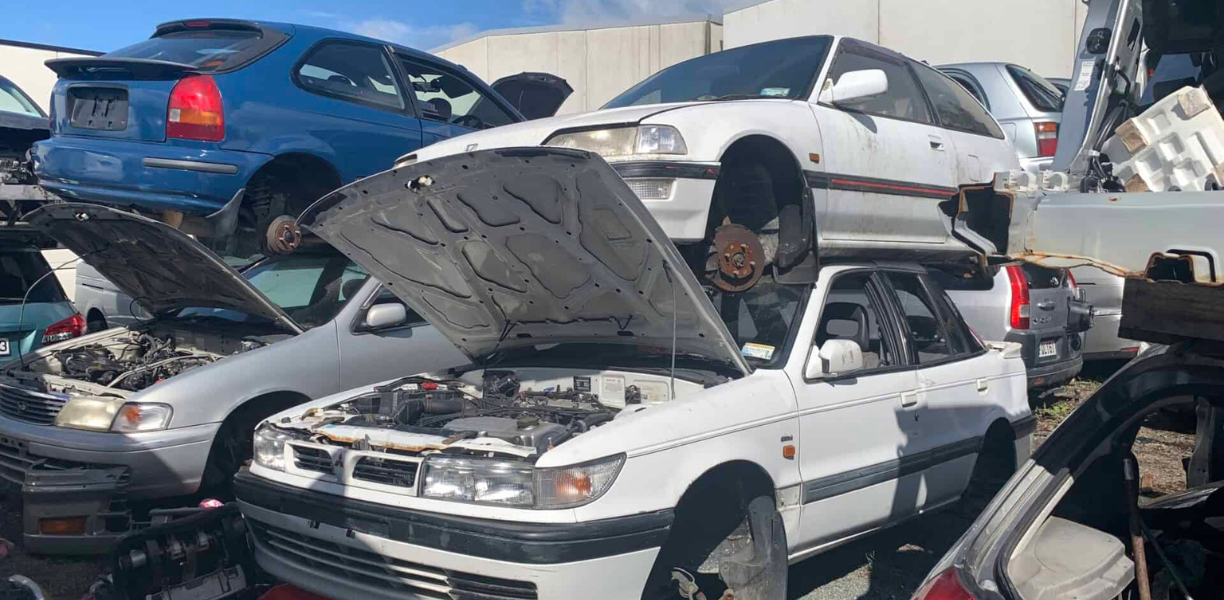
If you have an old, damaged, or unwanted vehicle sitting in your driveway, you may have wondered what it is actually worth to a car wrecker. Whether your car has been written off in an accident, has high kilometres, or has simply reached the end of its useful life, Australian car wreckers offer a practical and financially rewarding way to dispose of it responsibly. Understanding how wreckers determine their payouts, what factors influence the final price, and how to get the most value out of the transaction can save you time and significantly increase what lands in your pocket.
What Do Car Wreckers Actually Do?
Car wreckers, also known as auto dismantlers or vehicle recyclers, purchase end-of-life vehicles and dismantle them systematically. Usable parts are cleaned, tested, and resold at a fraction of the price of new components. The remaining metal is crushed and sent to scrap metal processors. This process contributes meaningfully to the circular economy by reducing the demand for newly manufactured parts and preventing hazardous automotive fluids from entering landfill or waterways.
In Australia, the car wrecking industry is well regulated, particularly in states like New South Wales, Victoria, and Queensland, where licensed dismantlers must follow strict environmental guidelines regarding the disposal of fluids such as engine oil, coolant, and battery acid.
How Much Will a Wrecker Pay for Your Car?
This is the question every vehicle owner wants answered, and the honest response is that it varies considerably. As a general guide, Australian car wreckers typically pay anywhere from $100 to $9,000 or more for a vehicle, depending on a range of variables. The average payout for a standard passenger vehicle that is no longer roadworthy tends to fall somewhere between $200 and $1,500.
Luxury vehicles, four-wheel drives, commercial utes, and late-model cars with low kilometres and sought-after parts can command significantly higher prices. A relatively recent Toyota LandCruiser or Ford Ranger, even in damaged condition, may attract offers well above the average because the demand for their spare parts remains consistently high across Australia.
Key Factors That Determine the Payout
Vehicle Make, Model, and Age
The make and model of your car has a direct bearing on what a wrecker will offer. Popular Australian vehicles such as Toyota Hilux, Holden Commodore, Ford Falcon, Subaru Forester, and Mazda CX-5 are in high demand for parts. Older vehicles from manufacturers that no longer operate in Australia, such as Holden, can still attract solid payouts because replacement parts are increasingly scarce and therefore more valuable on the secondhand market.
Condition of the Vehicle
A wrecker assesses a vehicle based on whether it is running or non-running, whether the body panels are intact, the extent of accident damage, and whether the engine and drivetrain are salvageable. A car that is still driveable or towable with a functioning engine will almost always fetch more than one that has been stripped, burnt out, or flood damaged.
Weight and Scrap Metal Value
Even if a car has no salvageable parts, its scrap metal value provides a baseline for any offer. Scrap steel prices fluctuate with global commodity markets, so the timing of your sale can influence the amount a wrecker is prepared to pay. Heavier vehicles, including vans, trucks, and four-wheel drives, are worth more simply due to their greater metal content.
Location
In urban centres like Sydney, Melbourne, and Brisbane, competition among wreckers tends to push payouts higher. In regional or remote areas, transportation costs for the wrecker to collect the vehicle may reduce the net offer. If you are in a metropolitan area, it is worth getting multiple quotes before accepting the first offer you receive.
Demand for Parts
A wrecker runs a business, and like any business, supply and demand drives decisions. If the local market is already saturated with parts from a particular model, the offer for your vehicle of that type may be lower. Conversely, if your car is a model that local mechanics and private buyers frequently search for in terms of secondhand parts, the wrecker will offer more because they know they can move those components quickly.
Cash for Cars vs. Trade-In: Understanding Your Options
Many vehicle owners compare selling to a wrecker against trading their car in at a dealership. For a vehicle that is still roadworthy and has market value as a used car, a trade-in or private sale through platforms like Carsales or Facebook Marketplace will almost always return more money. However, for cars that are unroadworthy, significantly damaged, or simply too old to attract private buyers, wreckers offer a fast, hassle-free solution that dealers simply will not.
Some wreckers in Sydney and other major cities also operate under a cash for cars model, where they provide same-day payment and free towing. This is particularly useful for owners who do not have the means to transport a non-running vehicle themselves. If you are specifically looking for cash for wrecked cars sydney, you will find a number of licensed operators who specialise in damaged, accident-written-off, and flood-affected vehicles, offering competitive payouts with minimal paperwork.
How to Get the Best Price from a Car Wrecker
Getting the best possible return from a car wrecker does not require any specialist knowledge, but it does require a bit of preparation and a willingness to shop around.
Start by gathering as much information about your vehicle as possible. Know the year, make, model, engine size, transmission type, and current condition. Be honest about any damage but also highlight any recent repairs or new parts that may increase the vehicle’s appeal to a dismantler.
Contact at least three to five wreckers in your area and request quotes. Many reputable operators now offer online quoting tools or will provide an estimate over the phone within minutes. Comparing these offers takes very little time and can result in a noticeably better outcome.
If your vehicle is still running, consider whether it is worth holding onto for a short period. When scrap metal prices are elevated, wreckers tend to pay more across the board, and waiting for a market uptick could be worthwhile.
Remove any personal items and accessories from the vehicle before the wrecker arrives. Aftermarket parts such as roof racks, sound systems, or upgraded wheels may be worth selling separately before the vehicle is collected, as a wrecker will factor these into their overall offer rather than paying separately for premium accessories.
Ensure that you have the vehicle’s registration papers and proof of ownership. Reputable wreckers in Australia are required by law to verify that the person selling the vehicle is the registered owner, which protects both parties and ensures the transaction is above board.
What Happens After You Sell Your Car to a Wrecker?
Once the wrecker takes possession of your vehicle, you should notify your state’s roads authority to transfer or cancel the registration. In New South Wales, this is done through Service NSW, while Victorian residents deal with VicRoads. Cancelling your registration may also result in a partial refund of any remaining registration fees, adding a small bonus to your overall return.
You should also notify your car insurer that the vehicle has been sold or disposed of to avoid continuing to pay premiums on a car you no longer own.
The wrecker will then process the vehicle, draining all fluids safely, cataloguing usable parts, and preparing the shell for scrap processing. The entire process is environmentally regulated and a far more responsible outcome than leaving a disused vehicle to deteriorate on your property.
Finding the Best Car Wreckers Service in Sydney
Sydney has a well-developed market for vehicle recycling, with dozens of licensed operators spread across the greater metropolitan area. When selecting a provider, look for businesses that hold a current motor vehicle recycler’s licence issued under NSW legislation, offer free towing within a reasonable radius, provide written quotes rather than verbal estimates only, and have verifiable reviews on Google or other trusted platforms.
The best car wreckers service in Sydney will also be transparent about how they calculate their offers and will not change the price after arriving to collect the vehicle, a practice sometimes referred to as “low-balling” that unfortunately does occur with less reputable operators.
Checking that the business is a member of an industry body such as the Australian Automotive Recyclers Association (AARA) is another reliable indicator of professionalism and compliance with environmental and industry standards.
Frequently Asked Questions
Q. Do I need to have the vehicle registered to sell it to a wrecker?
A: Registration is not a requirement for selling a vehicle to a wrecker. However, you will need to provide proof of ownership, typically through a certificate of registration or a motor vehicle transfer form. If you have lost these documents, your state roads authority can assist with obtaining replacement paperwork.
Q. Will a wrecker collect my car for free?
A: Most car wreckers in Sydney and other major Australian cities offer free towing within a defined service area, usually covering the entire metropolitan region. For vehicles located further out, a small towing fee may apply, although this varies by operator. Always confirm the collection terms before agreeing to a price.
Q. How quickly can I get paid?
A: The majority of reputable wreckers offer same-day or next-day payment, often in cash or bank transfer. Some operators will process the entire transaction, including collection and payment, within a single business day, making it one of the fastest ways to convert an unwanted vehicle into immediate funds.
Q. Can I sell a car that has been written off by my insurer?
A: Yes. In fact, insurance write-offs are a significant portion of the vehicles that Australian wreckers process. If your insurer has declared your car a total loss and transferred ownership back to you as part of the claims settlement, you are free to sell it to a wrecker. Confirm the ownership status with your insurer before proceeding, as in some cases the insurer retains ownership of the written-off vehicle.
Q. Is it better to sell parts separately or sell the whole car to a wrecker?
A: For most people, selling the entire vehicle to a wrecker is the more practical choice. Parting out a vehicle individually can yield more money in total, but it requires time, mechanical knowledge, storage space, and the effort of managing multiple buyers. Unless you have specific valuable components such as a low-kilometre engine or a rare gearbox, the convenience of a single wrecker sale generally outweighs the marginal additional income from individual part sales.
Q. What is the environmental benefit of using a car wrecker?
A: Licensed car wreckers play an important role in reducing the environmental footprint of the automotive industry. By salvaging and reselling usable parts, they extend the functional life of vehicle components that would otherwise require new manufacturing. The responsible disposal of automotive fluids prevents contamination of soil and groundwater, and the metal recycling process uses considerably less energy than producing new steel from raw materials.
Conclusion
Selling your car to a wrecker in Australia is a straightforward, regulated, and often surprisingly lucrative process when approached with the right preparation. By understanding what drives wrecker valuations, comparing multiple offers, and dealing with licensed and reputable operators, you can turn an unwanted vehicle into a fair return while contributing to a more sustainable automotive economy. Whether you are in Sydney, Melbourne, or anywhere else across the country, the Australian car wrecking industry offers a reliable pathway for responsibly retiring a vehicle at the end of its life.