
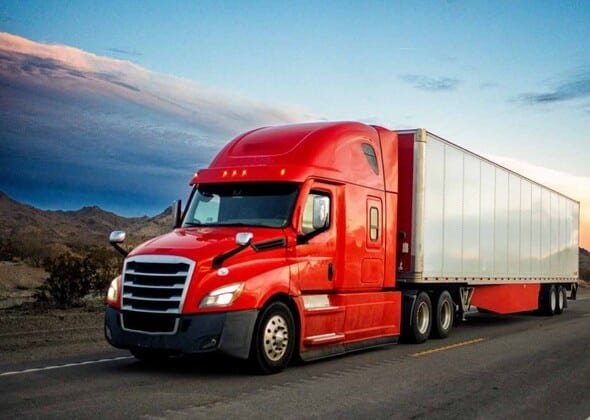
For anyone hauling steel coils, lumber, machinery, or construction materials across the country, flatbed dispatch is the behind-the-scenes process that keeps trucks loaded and moving in the right direction. Unlike dry van freight, flatbed loads often require specific equipment, tarping, securement knowledge, and route planning around oversized dimensions. A dispatcher who understands these details can mean the difference between a truck sitting idle for two days and a driver running consistent, profitable miles. This article breaks down what flatbed dispatch actually involves, how it differs from general freight dispatching, and what owner-operators and small fleets should know before working with a dispatch service.
What Makes Flatbed Freight Different
Flatbed trucking isn’t just “open deck” hauling — it comes with its own set of rules, equipment requirements, and customer expectations. Loads can range from palletized building materials to oversized industrial equipment that requires permits and escort vehicles.
Because of this, flatbed dispatch freight tends to pay more per mile than dry van or reefer, but it also demands more from the driver and the dispatcher. A load that looks straightforward on paper might actually need:
- Tarps, chains, and straps rated for the specific cargo
- Height and width measurements to confirm legal road clearance
- Permits for oversize or overweight loads in certain states
- Coordination with shippers who load freight by appointment only
A general dispatcher unfamiliar with these requirements can accidentally book a load the truck isn’t equipped for, leading to delays, fines, or a wasted trip to the shipper.
The Role of a Flatbed Dispatcher
A flatbed dispatcher acts as the communication hub between the driver, the broker or shipper, and sometimes the receiving facility. Their day-to-day responsibilities typically include:
Finding loads that match the truck’s equipment, length, and weight capacity. Negotiating rates based on current market conditions and lane history. Confirming pickup and delivery windows, especially for loads that require appointments. Tracking the shipment and relaying updates to all parties involved. Handling paperwork such as rate confirmations, bills of lading, and lumper receipts.
What separates an experienced flatbed dispatcher from someone simply pulling loads off a board is familiarity with deck space limitations, tarping time, and how weather or terrain might affect a route. For example, a flatbed dispatcher who knows that a load of drywall panels needs to stay dry will plan around rain forecasts differently than they would for a load of steel beams.
Flatbed Dispatch Service vs. In-House Dispatching
Many owner-operators start out handling their own dispatching — calling brokers, checking load boards, and negotiating rates between drives. This works for some, but it also means spending hours on the phone instead of on the road.
A flatbed dispatch service takes over these tasks, allowing the driver to focus on driving, loading, and securing freight. The trade-off is usually a percentage of each load’s gross revenue, which can range depending on the level of service provided.
Consider a driver running from Texas to the Midwest with a load of pipe. While they’re driving, a dispatch service can already be lining up the next load near their delivery point, so there’s minimal downtime once they drop off. Without that coordination, the driver might spend an extra day searching for the next load themselves.
What Good Dispatcher Services Actually Provide
Not all dispatcher services operate the same way, and the quality of communication often matters more than the price of the service. A solid dispatch arrangement generally includes:
Clear, ongoing communication about load options before booking — not just after the fact. Rate transparency, so the driver understands exactly what they’re being paid and what’s being deducted. Equipment-specific load matching, particularly important for step decks, conestogas, or RGNs versus standard flatbeds. Backhaul planning to reduce empty miles between deliveries. Documentation support, including rate confirmations and proof of delivery tracking.
Some companies, including EverMark Dispatchers, focus specifically on flatbed and heavy-haul freight rather than handling every trailer type. This kind of specialization can be useful because the dispatcher is more likely to understand load securement requirements, permitting timelines, and which brokers regularly post flatbed-friendly freight in a given region.
How Flatbed Truck Dispatch Affects Route Planning
Route planning for flatbed freight involves more than mapping the shortest distance between two points. A dispatcher coordinating flatbed truck dispatch has to factor in:
Low clearance bridges and tunnels that may not accommodate taller loads. State-by-state permit requirements for oversize freight. Weigh station locations along the route, especially for loads near legal weight limits. Weather conditions that could affect tarped freight or road surfaces in mountainous regions.
For instance, a load of construction equipment heading from Georgia to Colorado might require a different route than a standard van load simply because of height restrictions through certain mountain passes. A dispatcher who plans for this in advance avoids last-minute rerouting that costs time and fuel.
Questions to Ask Before Choosing a Dispatch Service
Before signing on with any flatbed dispatch service, it helps to ask a few direct questions:
How many flatbed-specific loads does the dispatcher typically book per week? What is the fee structure, and is it a flat rate or a percentage of gross revenue? How does the dispatcher handle situations where a load falls through last minute? What communication channels are used, and how quickly can the driver expect a response? Does the service have experience with the specific equipment type — step deck, double drop, or extendable trailer?
These questions help establish whether a dispatcher’s experience aligns with the type of freight a driver actually hauls. A dispatcher who primarily books dry van freight may not have the same broker relationships needed for consistent flatbed work.
Final Thoughts
Flatbed dispatch services is a specialized part of the trucking industry that requires more than just finding available loads — it involves understanding equipment limitations, securement requirements, permitting rules, and route restrictions that don’t apply to other freight types. For owner-operators trying to balance time on the road with finding consistent, well-paying loads, working with a dispatcher who understands flatbed-specific challenges can reduce downtime and prevent costly mistakes. Whether handled in-house or through a dedicated service, the goal of flatbed dispatch remains the same: keeping trucks loaded with freight that matches their equipment and getting drivers to their next pickup with as little wasted time as possible.
