
The healthcare industry has undergone a significant transformation over the past decade, and so has the way medical practices, clinics, and health organisations reach their patients. Gone are the days when a listing in the local directory or a referral network was enough to sustain a growing practice. Today, marketing healthcare services requires a thoughtful, multi-channel approach that builds trust, educates patients, and maintains a consistent presence across both digital and traditional platforms. For healthcare providers looking to grow their reach and better serve their communities, understanding modern marketing principles is no longer optional — it is a core business function.
Why Is Healthcare Marketing Different?
Marketing in the healthcare space comes with a unique set of challenges that set it apart from virtually every other industry. Providers must balance the need to attract new patients with strict regulatory requirements around patient privacy, advertising standards, and ethical communication. The content in marketing healthcare services must be accurate, clear, and reassuring rather than sensationalist or overly promotional.
At the same time, patients today are more informed and more selective than ever before. Before choosing a provider, most people research online, read reviews, compare services, and look for evidence that a practice understands their specific needs.
Building a Strong Digital Presence
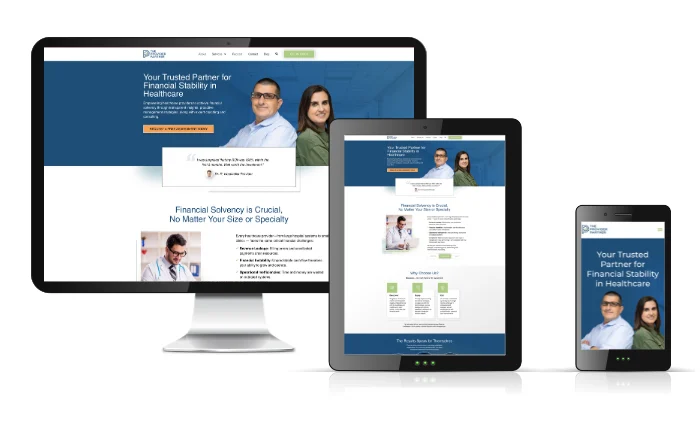
A well-structured, professionally designed website is the foundation of any effective marketing healthcare services strategy. It serves as the first point of contact for a large proportion of new patients and must communicate credibility, clarity, and care from the very first visit. The website should load quickly, be easy to navigate on mobile devices, and clearly present the services offered, provider credentials, and contact information.
Search engine optimisation plays an equally important role. When a potential patient searches for a specific service or specialist in their area, appearing prominently in those results can be the difference between gaining a new patient and losing them to a competitor. Local SEO in particular — optimising for location-based searches — is critical for practices that serve a defined geographic community.
Content Marketing and Patient Education
One of the most powerful tools in marketing healthcare services is consistent, high-quality content that educates and informs. Blog posts, articles, videos, and FAQs that address common patient concerns establish a provider as a knowledgeable and trustworthy authority in their field. This kind of content not only improves search rankings but also builds the kind of long-term trust that turns first-time visitors into loyal patients.
Topics might include explanations of common procedures, guidance on managing chronic conditions, seasonal health advice, or breakdowns of what patients can expect during specific appointments. The goal is always to add genuine value rather than simply promote services.
Social Media and Community Engagement
Social media platforms have become essential channels for healthcare providers to connect with their communities. Regular, thoughtful posts that share health tips, practice updates, staff introductions, and patient education content help humanise a practice and foster a sense of ongoing relationship with both current and prospective patients.
Paid social advertising also allows providers to reach highly specific audiences based on age, location, health interests, and more — making it one of the most cost-effective tools available for targeted patient acquisition.
Conclusion
The landscape of marketing healthcare services continues to evolve rapidly, and providers who embrace a strategic, patient-centred approach to marketing will be best positioned for sustainable growth. From SEO and content creation to social media engagement and reputation management, every element works together to build a practice that patients trust and return to. Partnering with a medical digital marketing agency that understands both the opportunities and the regulatory responsibilities of healthcare marketing ensures that your strategy is not only effective but built on a foundation of integrity and long-term credibility.
