
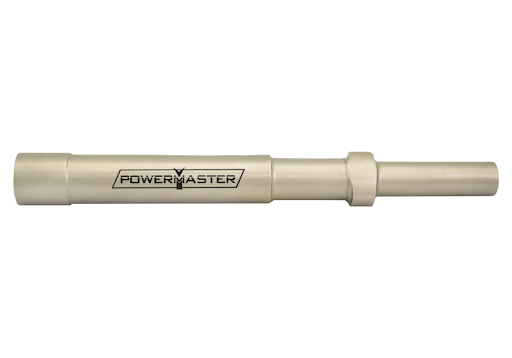
Maintenance activities in industrial workplaces become tedious and time-consuming if only manual equipment is used to tighten and loosen components. In industrial facilities such as plants, refineries, workshops, and heavy repairs units, maintenance activities involve many metal bolts and components. Tight fasteners, rusted bolts, and repeated manual effort often increase both work pressure and downtime.
This is one reason many industries now depend on pneumatic impact wrenches for regular maintenance tasks. Along with this, tools such as the knockout tool also help workers complete fitting and installation work more accurately.
This blog discusses some common problems industries face without these tools and how they help improve daily operations.
Slow Bolt Removal During Maintenance
One of the biggest problems during industrial repair work is removing old or tightly fixed fasteners. Manual tools often take extra time, especially when bolts are exposed to heat, pressure, or rust for long periods.
Workers may spend several minutes on a single fastener, which affects the complete maintenance schedule. In shutdown situations, these delays can become costly for industries.
Pneumatic impact wrenches help solve this problem by providing strong and steady torque through air pressure. Workers can loosen difficult fasteners faster without applying excessive physical force. This improves work speed and helps maintenance teams complete tasks more efficiently.
Worker Fatigue During Long Operations
Industrial maintenance usually involves long working hours. Repeated tightening and loosening using hand tools puts pressure on the wrists, shoulders, and arms of workers. Over time, this physical strain affects both comfort and productivity.
Using pneumatic impact wrenches reduces manual effort during fastening work. Since the tool handles most of the torque, workers can complete tasks with less physical stress.
This becomes especially useful in industries where workers handle large bolts and heavy equipment every day. Reduced fatigue also helps workers maintain better focus during operations.
Uneven Openings and Fitting Problems
During installation work, workers often need to create clean openings in metal surfaces for fittings and connections. Improper cutting methods may leave rough edges or uneven holes, which later create fitting problems.
This is where a knockout tool becomes useful. It helps create smooth and accurate openings without damaging nearby material. Proper openings improve fitting quality and reduce rework during installation.
Workers also save time because the process becomes faster and more controlled compared to manual cutting methods.
Delays Caused by Damaged Fasteners
Using improper tools may damage fasteners during maintenance work. Rounded edges and slipping tools make removal more difficult and increase repair time.
Pneumatic impact wrenches help reduce these issues because they apply controlled torque during operation. This improves grip on the fastener and supports smoother removal.
Similarly, a proper knockout tool helps reduce mistakes during fitting work by improving cutting accuracy. Small improvements like these help industries avoid unnecessary delays during repair projects.
Conclusion
Maintenance activities in industries become easy when the correct fastening and fitting tools are used by the workers. The pneumatic impact wrench will aid in improving productivity, conserving energy, and facilitating smooth operations when handling bolts.
On the other hand, the appropriate knockout tool will ensure that the correct openings are created, resulting in accurate fitting.
