
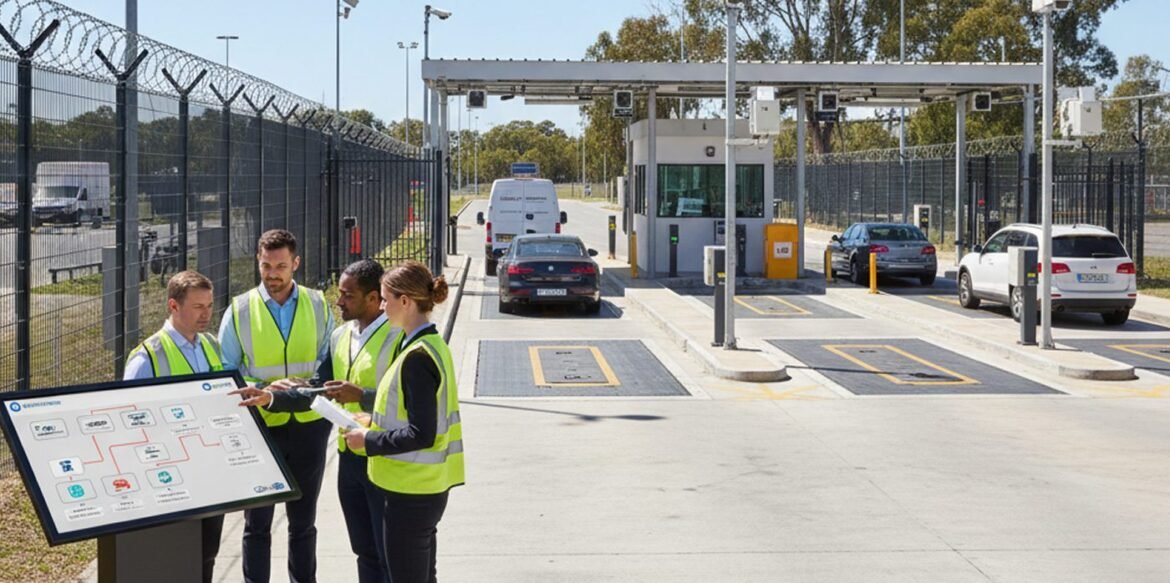
Security requirements have changed dramatically over the past decade. Facilities that once relied on manual inspections, security guards, and basic access control systems are now facing increasingly sophisticated threats, higher traffic volumes, and stricter security expectations. As a result, organizations across multiple industries are investing in advanced vehicle screening technologies to improve security while maintaining operational efficiency.
Commport Technologies, a trusted supplier of advanced License Plate Recognition (LPR) systems, helps organizations strengthen access control and vehicle security through intelligent screening solutions. By combining automated vehicle identification with advanced inspection technologies, facilities can improve threat detection, reduce vulnerabilities, and create a more secure environment for employees, visitors, contractors, and critical assets.
From critical infrastructure and government facilities to industrial plants, logistics hubs, airports, ports, and commercial properties, modern organizations are recognizing that traditional screening methods alone are no longer enough to address today’s security challenges.
Why Vehicle Screening is more Important Than Ever
Vehicle entrances represent one of the most significant access points into any facility. Every day, organizations must process a wide range of vehicles, including employee cars, contractor vehicles, service fleets, delivery trucks, and visitors.
Without effective screening procedures, facilities may face risks such as:
- Unauthorized access
- Asset theft
- Security breaches
- Vehicle tampering
- Contraband transportation
- Operational disruptions
As security threats continue to evolve, organizations are looking for ways to identify potential risks before vehicles gain access to sensitive areas.
The Limitations of Traditional Vehicle Screening Methods
For many years, facilities relied primarily on security personnel to inspect vehicles and verify access credentials. While these methods continue to play an important role, they present several challenges in modern security environments.
Human Error Can Impact Security
Even experienced security personnel can miss subtle indicators of suspicious activity, particularly when traffic volumes are high.
Limited Visibility Creates Vulnerabilities
Certain areas of a vehicle are difficult to inspect manually, leaving potential blind spots within the screening process.
Traffic Delays Affect Productivity
Detailed manual inspections often create bottlenecks at facility entrances, impacting both security operations and business efficiency.
Inconsistent Inspection Quality
Inspection procedures may vary depending on staffing levels, training, environmental conditions, and workload.
These limitations have encouraged organizations to adopt more advanced and reliable screening technologies.
How Advanced Vehicle Screening Addresses Modern Security Challenges
Modern vehicle screening technologies use automation, high-resolution imaging, and intelligent analysis to improve both security and efficiency.
Rather than relying solely on manual observation, these systems provide security personnel with actionable information that supports faster and more accurate decision-making.
Key benefits include:
- Improved threat detection
- Faster vehicle processing
- Enhanced visibility
- Reduced human error
- Automated record keeping
- Greater inspection consistency
These advantages make advanced screening technologies an increasingly valuable investment for facilities with demanding security requirements.
Why Under Vehicle Inspection has Become a Priority
One of the most overlooked areas during traditional vehicle inspections is the underside of the vehicle.
Drivers rarely inspect this area themselves, and manual examinations can be difficult, time-consuming, and inconsistent. As a result, hidden objects, suspicious attachments, or unauthorized modifications may go unnoticed.
Advanced under vehicle inspection technologies help eliminate this blind spot.
Better Visibility
Security personnel gain detailed views of the vehicle undercarriage.
Faster Screening
Vehicles can be inspected without requiring lengthy stop-and-search procedures.
Improved Threat Detection
High-resolution imaging helps identify suspicious objects and structural changes.
Consistent Security Standards
Every vehicle receives the same level of inspection regardless of traffic conditions.
By incorporating under vehicle inspection into access control procedures, facilities significantly strengthen their security posture.
Protecting Critical Infrastructure Through Enhanced Screening
Critical infrastructure facilities are responsible for delivering essential services that support communities, industries, and economies.
Examples include:
- Power generation facilities
- Water treatment plants
- Telecommunications centers
- Transportation networks
- Energy distribution systems
Because these facilities are considered high-value targets, security teams must be able to detect threats before they reach operationally sensitive areas.
Advanced vehicle screening technologies provide greater visibility and earlier threat identification, helping operators reduce risk and improve resilience.
Government Facilities Require Stronger Vehicle Security
Government buildings often manage sensitive information, strategic operations, and public services.
Traditional access control procedures may not provide sufficient protection against modern security threats.
Advanced screening technologies help government facilities:
Verify Vehicle Authorization
Automated systems quickly identify approved and unauthorized vehicles.
Detect Suspicious Modifications
Vehicle inspections reveal physical anomalies that may require further investigation.
Improve Accountability
Digital inspection records support audits, investigations, and compliance requirements.
These capabilities strengthen security while maintaining efficient vehicle processing.
Industrial Facilities Need Efficient Protection
Industrial and manufacturing environments often experience heavy vehicle traffic involving suppliers, contractors, service providers, and transport fleets.
Protecting assets while maintaining productivity can be challenging.
Advanced screening systems help organizations:
- Monitor incoming vehicles
- Reduce unauthorized access
- Protect valuable equipment
- Improve operational visibility
Automated inspection technologies provide a practical solution for balancing security and efficiency.
Logistics Centers Face Increasing Security Demands
Modern supply chains depend on fast and reliable transportation networks. Distribution centers and logistics hubs process large numbers of vehicles every day.
Traditional screening methods can struggle to keep pace.
Faster Throughput
Automated screening technologies reduce delays at facility entrances.
Improved Detection Accuracy
Detailed inspection data helps identify concerns that might otherwise be missed.
Enhanced Supply Chain Security
Organizations can strengthen protection without disrupting operations.
These benefits make advanced screening particularly valuable in logistics environments where efficiency is critical.
Airports and Ports Depend on Layered Security
Airports and maritime ports are among the most security-sensitive environments in the world.
Vehicles entering these facilities may include:
- Cargo trucks
- Service vehicles
- Maintenance fleets
- Contractors
- Employee transportation
Because of the high volume of traffic and strict security requirements, multiple layers of protection are essential.
Advanced vehicle inspection technologies provide an additional layer of screening that helps security teams identify suspicious vehicles before they enter restricted operational areas.
How LPR Integrates with Vehicle Inspection Systems
License Plate Recognition technology has become a key component of modern vehicle security programs.
LPR systems automatically capture and process vehicle license plate information as vehicles approach facility entrances. When integrated with vehicle inspection technologies, they create a comprehensive screening solution.
Immediate Vehicle Identification
Authorized vehicles can be recognized quickly, reducing wait times.
Automated Database Verification
Vehicle information can be compared against approved access lists and security watchlists.
Better Threat Assessment
Security personnel can review both vehicle identity and inspection results simultaneously.
Comprehensive Security Records
Inspection images, timestamps, vehicle data, and alerts can be stored together for future analysis.
This integration provides a more complete understanding of every vehicle entering a facility.
The Growing Role of Intelligent Inspection Systems
As organizations seek to improve security outcomes, intelligent inspection technologies are becoming increasingly important.
A modern uvss system captures detailed undercarriage images and allows operators to compare current inspections against historical vehicle records. Any unusual attachments, modifications, or structural anomalies can be identified and investigated before access is granted.
This capability significantly improves threat detection while reducing dependence on manual inspection procedures.
The Future of Vehicle Screening is Smarter and more Proactive
Modern facilities are upgrading their vehicle screening capabilities because traditional methods alone can no longer address today’s complex security challenges. Organizations require solutions that provide greater visibility, faster processing, improved consistency, and stronger threat detection.
By integrating advanced under vehicle inspection technologies with LPR systems, facilities gain a comprehensive approach to vehicle security that helps identify risks before they become incidents. This combination improves access control, enhances operational efficiency, and supports stronger protection across critical infrastructure, government facilities, industrial operations, logistics hubs, airports, ports, and commercial properties.
As threats continue to evolve, facilities that invest in advanced vehicle screening technologies will be better prepared to protect their people, assets, and operations while maintaining secure and efficient access control processes.
