
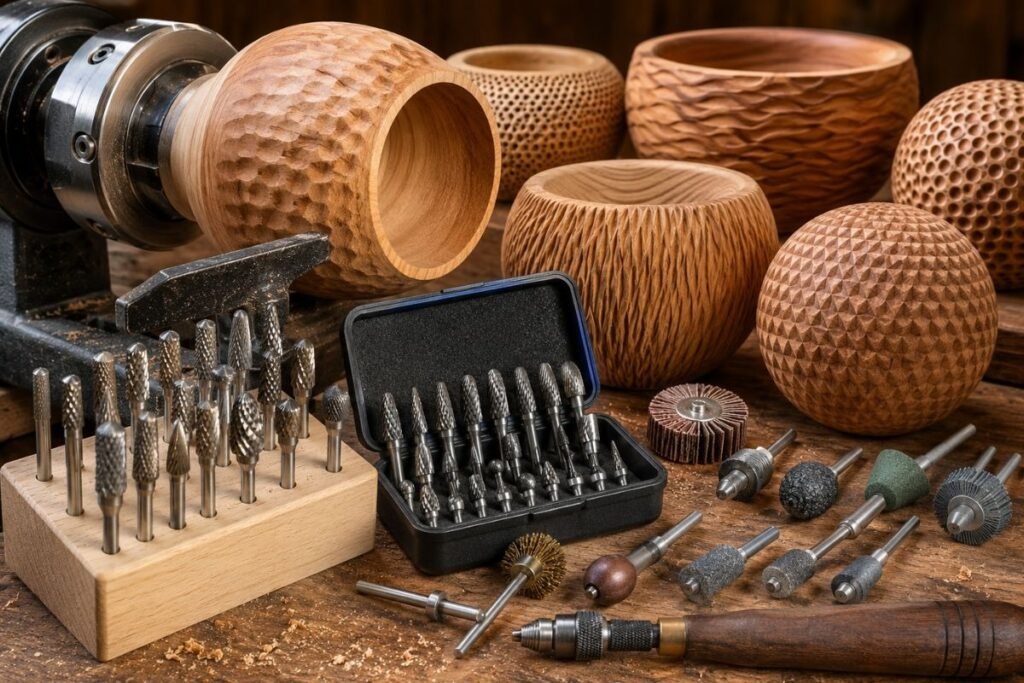
Woodturning is a creative woodworking process that transforms plain wooden pieces into artistic and functional designs. Many woodworkers explore woodturning texturing to add depth, character, and unique visual appeal to their projects. Texturing techniques can create decorative patterns, improve surface aesthetics, and make handcrafted items stand out. From bowls and vases to decorative sculptures, textured finishes help woodturners achieve more personalized and artistic results. Understanding the right techniques and tools is essential for producing clean, professional textures while maintaining the quality and durability of the wood surface.
Understanding Woodturning Texturing
Texturing in woodturning involves adding patterns or surface details to turned wood pieces. These textures may include grooves, spirals, lines, or decorative impressions created using specialized tools. The process enhances the natural beauty of wood grain while adding a tactile element to the final product. Different woods react differently to texturing, so understanding wood hardness and grain structure helps achieve more consistent results. Proper technique also prevents unwanted chipping or uneven finishes during the turning process.
Choosing the Right Wood
Selecting the correct type of wood is important for achieving effective textures. Softer woods are easier to texture but may wear down faster over time. Hardwoods provide durability and sharper details, making them suitable for intricate designs. Woods with attractive grain patterns often produce visually striking textured surfaces. Before starting, the wood should be properly dried and balanced to reduce cracking or warping during turning. Smooth preparation also allows texturing tools to work more efficiently.
Popular Texturing Techniques
There are several methods commonly used in woodturning texturing. Spiral texturing creates flowing patterns around bowls and cylinders, while chatter texturing produces decorative wave-like designs. Piercing and carving techniques add artistic depth to wooden surfaces. Layered textures can also create contrast between smooth and rough areas, improving visual interest. Experimenting with different methods helps woodworkers develop unique artistic styles while improving their turning skills over time.
Essential Tools for Texturing
Using the right tools improves accuracy and safety during the texturing process. Texturing wheels, carving burrs, and wire brushes are commonly used for creating decorative effects. Many professionals also use woodturning texture tools designed specifically for controlled pattern creation. Sharp tools provide cleaner cuts and reduce surface damage. Maintaining tools properly ensures smoother operation and more precise detailing, especially during intricate texturing work.
Safety During Woodturning
Safety is essential when working with rotating machinery and carving equipment. Protective eyewear and dust masks help reduce exposure to flying debris and wood dust. Loose clothing should be avoided to prevent accidents around spinning lathes. Maintaining stable tool positioning improves control and reduces vibration during carving. Beginners should practice on scrap wood before attempting advanced textures on finished projects. Safe working habits improve both confidence and craftsmanship.
Enhancing Designs With Finishing
After texturing is complete, finishing techniques enhance the appearance and durability of the wood surface. Sanding surrounding smooth areas creates contrast that highlights textured patterns. Oils, waxes, and stains can emphasize grain details while protecting the wood from moisture and wear. Some finishes darken recessed textures, creating a stronger visual effect. Applying finishes carefully preserves the sharpness of textured designs while improving the overall presentation of the project.
Conclusion
Exploring woodturning allows woodworkers to create unique and visually engaging designs that showcase creativity and craftsmanship. From selecting suitable wood to mastering carving and finishing techniques, every step contributes to the final appearance of the project. Proper safety practices and consistent tool maintenance also improve accuracy and efficiency during the process. As woodturners continue developing their skills, combining textures with decorative carving methods can produce highly artistic results. Many professionals also incorporate rotary carving tools for wood to achieve detailed patterns and enhance the quality of textured woodworking projects.
