
Why Emotional Wellness Matters More During Retirement Years
Retirement changes daily life in ways many seniors and families do not fully expect at first. Work routines disappear, social circles become smaller, and many older adults spend more time alone than they did earlier in life. While retirement can create opportunities for rest and freedom, it can also quietly increase feelings of loneliness, emotional disconnection, and lack of purpose when social interaction decreases. Because of this, active retirement communities with strong daily social programs have become increasingly important for emotional wellness and healthy aging. At Aspen Alcove, residents experience community-centered retirement living designed to encourage connection, engagement, and meaningful daily interaction through social activities and resident-focused programs.
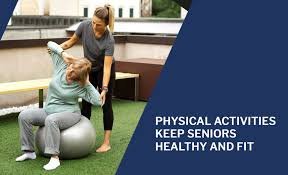
Modern retirement communities now recognize that emotional health plays just as important a role as physical wellness. Seniors often thrive emotionally when they feel socially connected, mentally engaged, and actively involved in everyday life experiences.
Social Isolation Quietly Affects Many Seniors
Many retirees initially enjoy the peace and freedom that retirement brings, but over time, reduced social interaction can begin affecting emotional health significantly. Seniors who live alone may spend long periods without meaningful conversation or daily engagement, especially after major life transitions such as losing a spouse, relocating, or retiring from long careers.
Isolation often develops gradually, making it difficult for families to recognize the emotional impact immediately. Seniors may appear independent while quietly struggling with loneliness, boredom, or emotional disconnection from the world around them.
Retirement communities with active social programs help address these challenges by creating daily opportunities for interaction, participation, and emotional connection.
Daily Social Programs Encourage Meaningful Interaction
One major reason seniors thrive emotionally in active retirement communities is the consistent opportunity for social engagement throughout the day. Activities such as fitness classes, games, hobby groups, educational sessions, music events, wellness programs, and community gatherings naturally bring residents together.
These interactions help seniors build friendships and maintain stronger emotional support systems. Even small moments like sharing meals, attending events, or participating in conversations often improve mood and emotional balance significantly.
Aspen Alcove emphasizes socially active living because regular interaction helps residents feel connected, valued, and involved in community life.
Structured Activities Create Stronger Daily Purpose
Many seniors struggle emotionally after retirement because daily routines suddenly feel less structured and purposeful than before. Without regular schedules or meaningful activities, days may begin feeling repetitive or emotionally unfulfilling over time.
Active retirement communities help solve this problem by creating engaging daily schedules that encourage residents to remain mentally and socially active. Programs give seniors reasons to leave their apartments, participate in shared experiences, and maintain healthier routines.
Having activities to look forward to often improves motivation, emotional stability, and overall happiness throughout retirement years.
Friendships Improve Emotional Confidence
Building friendships later in life becomes more difficult for many older adults, especially when longtime social circles change because of relocation, health issues, or life transitions. Retirement communities create environments where friendships form more naturally because residents share similar life experiences and participate in activities together regularly.
Strong social relationships help seniors feel emotionally supported and less isolated during aging. Many residents gain confidence and emotional comfort simply from knowing they are surrounded by people who understand their stage of life and daily experiences.
Communities centered around social connection often create stronger emotional wellness than isolated living environments.
Social Engagement Supports Mental and Emotional Health
Mental and emotional wellness remain closely connected during aging. Seniors who remain socially engaged often feel more mentally stimulated, emotionally positive, and motivated to stay active physically and socially.
Group activities, conversations, games, and educational events encourage cognitive engagement while also reducing stress and emotional loneliness. Residents who participate regularly in social programs frequently experience improved mood and stronger emotional resilience throughout retirement.
Modern retirement communities increasingly focus on these emotional benefits instead of viewing activities simply as entertainment.
Community Living Helps Seniors Feel Included
Feeling included and emotionally connected to a larger community becomes especially important during retirement years. Seniors often thrive when they feel recognized, welcomed, and actively involved in shared experiences rather than spending long periods disconnected from others.
Retirement communities with active daily programs help residents feel like part of a supportive social environment. Celebrations, themed events, community gatherings, and wellness activities encourage interaction while helping seniors build a stronger sense of belonging.
Aspen Alcove reflects this resident-focused philosophy by creating opportunities for connection and meaningful participation throughout daily life.
Active Communities Encourage Healthier Routines
Socially active retirement communities also encourage healthier daily habits naturally. Seniors who participate in activities often maintain more consistent routines involving movement, social interaction, wellness programs, and mental stimulation compared to aging alone at home.
Regular engagement helps reduce emotional stagnation and encourages residents to remain involved physically and socially. Many seniors feel emotionally stronger because active routines create greater balance and structure throughout the day.
These healthy routines support both emotional wellness and long-term quality of life during aging.
Families Often Notice Positive Emotional Changes
Families frequently observe noticeable emotional improvements after loved ones transition into active retirement communities. Seniors who previously seemed withdrawn, lonely, or emotionally disconnected often become more socially engaged and optimistic once regular interaction becomes part of everyday life.
Family members often feel reassured seeing aging loved ones participate in activities, build friendships, and maintain healthier emotional routines. Communities that prioritize engagement and social connection usually improve emotional wellness not only for residents but also for their families.
This emotional transformation becomes one of the most meaningful benefits of community-based retirement living.
Modern Retirement Communities Focus on Lifestyle and Emotional Wellness
Older models of retirement living often focused mainly on housing and basic care services. Today’s communities increasingly prioritize emotional wellness, active lifestyles, and meaningful social experiences that support healthier aging overall.
Residents now expect retirement environments that feel socially engaging, emotionally supportive, and lifestyle-focused rather than quiet or isolating. Active daily programs help create retirement experiences that feel fulfilling, energizing, and emotionally rewarding for aging adults.
Aspen Alcove supports this modern retirement approach through community-centered living and socially active daily experiences.
Conclusion: Socially Active Communities Help Seniors Thrive Emotionally
Seniors often thrive emotionally in retirement communities with active daily social programs because regular interaction, structured activities, and supportive relationships improve emotional wellness and reduce feelings of isolation. Meaningful engagement helps aging adults maintain confidence, purpose, and stronger social connection throughout retirement years.
Aspen Alcove demonstrates how socially active retirement living can create healthier and more fulfilling experiences for seniors through community engagement, resident-focused programming, and emotionally supportive daily routines. As retirement expectations continue evolving, active social environments will remain one of the most important factors supporting emotional wellness and quality of life during aging.
