
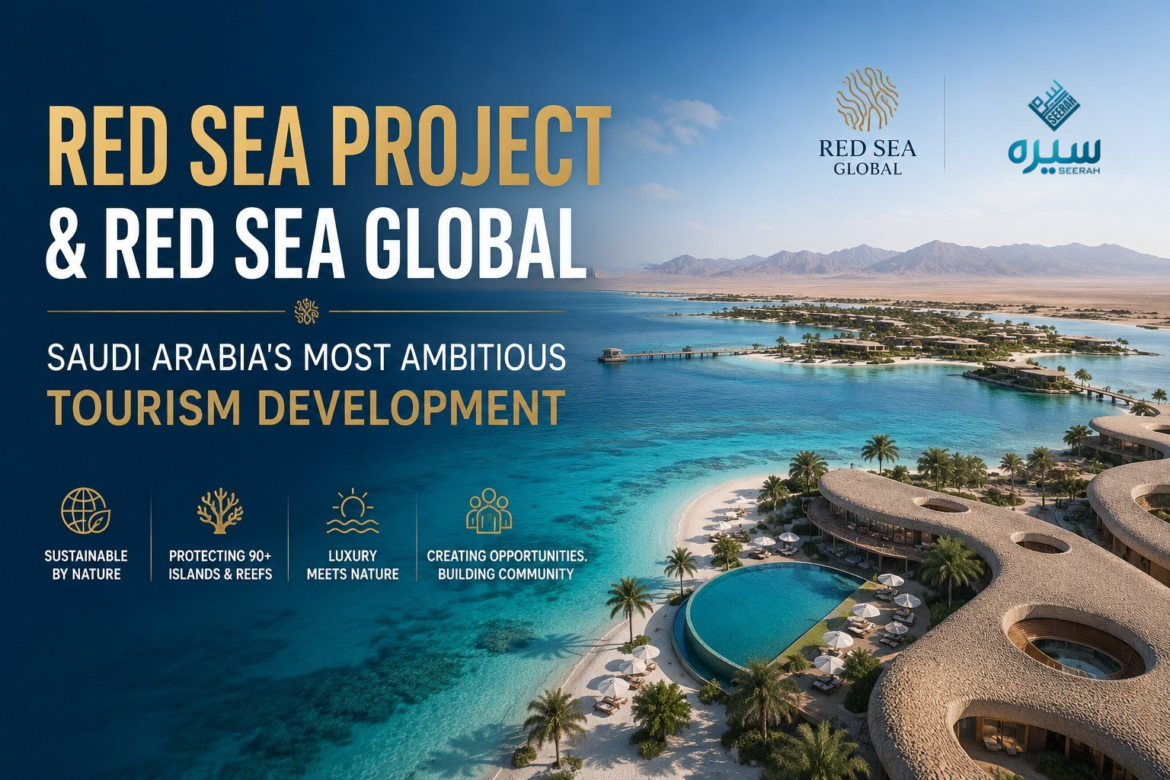
The Red Sea has long been recognized for its breathtaking natural beauty, crystal-clear waters, and vibrant marine ecosystems. However, in recent years, the region has evolved into much more than a paradise for divers and beach lovers. Today, the Red Sea is emerging as one of the world’s most exciting destinations for tourism, investment, sustainability, and economic development.
Stretching between Africa and the Arabian Peninsula, the Red Sea has become a focal point for ambitious projects, luxury hospitality developments, and environmental conservation efforts. Governments and private investors alike are recognizing the immense potential of this unique region, making it one of the most promising destinations of the 21st century.
Understanding the Significance of the Red Sea
The Red Sea serves as one of the most important waterways in the world. Connecting the Mediterranean Sea through the Suez Canal to the Indian Ocean, it plays a critical role in international trade and transportation.
Every day, commercial vessels carrying goods, energy resources, and consumer products navigate through the Red Sea, linking major economies across Europe, Asia, and Africa. This strategic importance has positioned the region as a major center for logistics, commerce, and international business.
Beyond its economic value, the Red Sea is also recognized for its exceptional natural environment. Its warm waters, extensive coral reefs, and diverse marine species create one of the planet’s most spectacular aquatic ecosystems.
The Rise of Luxury Tourism Along the Red Sea
Luxury tourism has become a major driver of growth in the Red Sea region. International travelers increasingly seek destinations that offer exclusivity, natural beauty, and authentic experiences. The Red Sea delivers all three.
Modern resorts along the coastline are designed to blend luxury with sustainability. Visitors can enjoy world-class accommodations while experiencing untouched beaches, pristine islands, and breathtaking marine environments.
Popular tourism attractions include:
- Private island retreats
- Luxury beachfront resorts
- Underwater exploration
- Sailing adventures
- Wellness retreats
- Cultural heritage tours
- Eco-tourism experiences
Unlike many overcrowded tourist destinations, the Red Sea still offers visitors the opportunity to enjoy nature in a relatively untouched setting.
Marine Biodiversity Makes the Red Sea Unique
One of the greatest treasures of the Red Sea is its marine biodiversity. Scientists consider the region one of the most biologically diverse marine environments in the world.
Thousands of marine species inhabit its waters, including:
- Coral reefs
- Sea turtles
- Dolphins
- Whale sharks
- Tropical fish
- Rays
- Mangrove ecosystems
The Red Sea’s coral reefs are particularly noteworthy because they have demonstrated exceptional resilience to environmental stress compared to many reefs in other parts of the world.
This ecological richness supports tourism, scientific research, and conservation efforts while providing critical habitat for marine life.
Sustainable Tourism and Environmental Responsibility
As tourism development accelerates, sustainability remains a top priority across the Red Sea region.
Developers and government agencies understand that preserving natural resources is essential for long-term success. As a result, many projects are incorporating environmentally responsible practices from the beginning.
Key sustainability initiatives include:
Coral Reef Protection
Conservation programs help protect fragile reef systems while educating visitors about marine ecosystems.
Renewable Energy Solutions
Many new developments are investing in solar and renewable energy technologies to reduce environmental impact.
Water Conservation
Advanced water treatment and recycling systems help preserve valuable freshwater resources.
Wildlife Preservation
Protected marine zones and conservation areas support biodiversity and reduce environmental disruption.
These efforts demonstrate how economic growth and environmental protection can work together to create sustainable tourism destinations.
Economic Growth Opportunities Around the Red Sea
The Red Sea is increasingly viewed as a powerful economic growth corridor. Its strategic location and expanding infrastructure create opportunities across multiple industries.
Hospitality and Tourism
Hotels, resorts, restaurants, entertainment venues, and tour operators continue to expand as visitor numbers increase.
Infrastructure Development
Large-scale investments in transportation, airports, ports, and public facilities support regional growth.
Real Estate Investment
Coastal developments have attracted investors seeking opportunities in residential, commercial, and mixed-use projects.
Logistics and Trade
The Red Sea’s position on major shipping routes strengthens its role as a global logistics hub.
Technology and Innovation
Smart city initiatives and advanced infrastructure projects are helping modernize the region while attracting international business partners.
These sectors collectively contribute to job creation, foreign direct investment, and long-term economic diversification.
Adventure Tourism in the Red Sea
Adventure travelers are increasingly choosing the Red Sea for unique outdoor experiences.
The region offers activities suitable for all levels of experience, including:
Scuba Diving
The Red Sea Saudi Arabia is frequently ranked among the best diving destinations worldwide due to its visibility, coral reefs, and marine biodiversity.
Snorkeling
Even casual visitors can enjoy spectacular underwater scenery without extensive training.
Sailing and Yachting
Luxury yachts and sailing excursions allow visitors to explore hidden islands and remote coastlines.
Desert Exploration
The nearby desert landscapes provide opportunities for hiking, camping, and off-road adventures.
Water Sports
Visitors can participate in activities such as kayaking, paddleboarding, windsurfing, and jet skiing.
This variety of experiences helps attract travelers from around the globe and supports year-round tourism.
Cultural Experiences Along the Red Sea Coast
While natural beauty often captures attention, the Red Sea region also offers rich cultural experiences.
For centuries, coastal communities have served as centers of trade, commerce, and cultural exchange. Visitors can explore traditional markets, historic architecture, local cuisine, and heritage sites that reflect the area’s diverse history.
Local festivals, crafts, and culinary traditions provide travelers with authentic insights into regional culture while supporting local businesses and communities.
Combining cultural tourism with natural attractions creates a more complete visitor experience and encourages longer stays.
The Red Sea and Future Global Tourism Trends
Modern travelers increasingly prioritize sustainability, authenticity, and unique experiences. The Red Sea aligns perfectly with these evolving preferences.
Unlike heavily commercialized tourist destinations, the Red Sea offers opportunities to connect with nature while enjoying modern luxury. This balance is becoming increasingly important to travelers seeking meaningful and responsible tourism experiences.
Industry experts predict that destinations emphasizing environmental stewardship and high-quality visitor experiences will continue to outperform traditional mass-tourism markets.
The Red Sea is well-positioned to benefit from this global shift.
Innovation and Smart Development
Many Red Sea projects incorporate advanced technologies to improve visitor experiences and operational efficiency.
Examples include:
- Smart transportation systems
- Digital tourism services
- Energy-efficient buildings
- Sustainable infrastructure
- Advanced environmental monitoring
Technology enables developers to manage growth responsibly while maintaining high standards of service and environmental protection.
These innovations help establish the Red Sea as a modern destination capable of competing with leading tourism regions worldwide.
Challenges and Opportunities
Like any rapidly developing region, the Red Sea faces challenges alongside its opportunities.
Managing tourism growth while preserving natural ecosystems requires careful planning and ongoing investment. Environmental monitoring, responsible development practices, and community engagement are essential for long-term success.
However, these challenges also create opportunities for innovation, collaboration, and sustainable leadership.
By prioritizing environmental responsibility and strategic planning, stakeholders can ensure that future generations continue to benefit from the Red Sea’s extraordinary resources.
Conclusion
Red Sea KSA is undergoing a remarkable transformation. Once known primarily for its stunning coral reefs and marine life, it is now emerging as a global center for tourism, investment, innovation, and sustainable development.
Its strategic location, exceptional biodiversity, growing infrastructure, and commitment to environmental protection position the Red Sea as one of the most exciting destinations in the world today.
Whether viewed through the lens of tourism, business, conservation, or economic growth, the Red Sea represents a unique success story with enormous potential. As development continues and international interest grows, the Red Sea is set to become a leading example of how natural beauty and sustainable progress can thrive together.
