
Why Do Offices Need Stronger Protection Today?
Office life has changed a lot during the last few years. People carry costly laptops. Companies store customer records inside servers. Staff members walk in and out all day. One weak entrance can create a messy situation within minutes. Thieves no longer target giant corporations only. Small offices face trouble too. A random break in can smash business flow and drain money from the owner’s pocket.
Many firms spend heaps of cash on computers and furniture yet ignore the front door. Strange choice. The entrance acts like the spine of office safety. A flimsy door invites risk. Criminals notice weak spots faster than most managers think.
Workers also care about safety. Nobody enjoys sitting in an office that feels exposed or dodgy. Employees focus better when they feel secure around their workspace. Peace of mind matters more than people admit during board meetings.
What Makes Security Doors Different From Ordinary Doors?
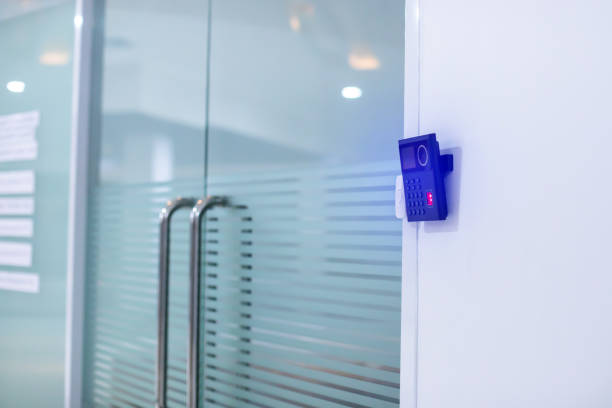
Regular office doors crack under pressure. Some look sturdy from outside yet fold fast during forced entry attempts. Security doors stand on another level. Manufacturers build them with dense steel and reinforced frames. Tough locks add another layer of defence. Modern businesses now install High security doors because ordinary setups fail against current threats. These doors resist impact and support electronic access systems. Fingerprint scanners. Card readers. Alarm connections. Everything works together.
Design has improved too. Years ago security doors looked chunky and industrial. Offices hated that old fashioned appearance. Things look different now. Manufacturers create sleek finishes that blend with modern office interiors. Companies protect the building without ruining the visual atmosphere.
How Do Security Doors Protect Employees?
Employees spend most of their waking hours inside offices. Safety should never sit at the bottom of company priorities. One unsafe incident can shake staff confidence for months. Strong security doors help control who enters the building. Random strangers cannot stroll through the workspace with ease. Trouble often arrives without warning. An angry visitor. A thief. Someone looking for confidential files. Security doors slow intruders and buy valuable time. That delay can help staff contact authorities or move toward safer areas.
People rarely discuss emotional comfort in office planning. Still it matters. Workers perform better in calm surroundings. Fear creates distraction. Strong protection helps remove that tension from daily routines. Meeting rooms also need privacy. Offices discuss contracts. Payments. Hiring decisions. A solid security setup protects those conversations from unwanted access.
Can Security Doors Help Protect Business Assets?
Every office contains something valuable. Computers. Projectors. Files. Hard drives. Expensive gadgets pile up inside even small workplaces. One burglary can wipe out years of investment. Recovery often turns into a headache filled with paperwork and delays. Strong doors reduce those risks. Criminals prefer easy targets. A reinforced entrance creates resistance and frustration for intruders. Most thieves avoid locations that require extra effort.
Some businesses hold sensitive information too. Law firms and finance offices cannot afford data leaks. A stolen file can damage reputation faster than any bad review online. Clients lose trust when private records disappear. Modern High security doors also support restricted access zones. Managers decide who enters certain rooms. Employees access approved areas only. That control keeps confidential departments safer from internal mishaps.
Why Does Access Control Matter In Modern Offices?
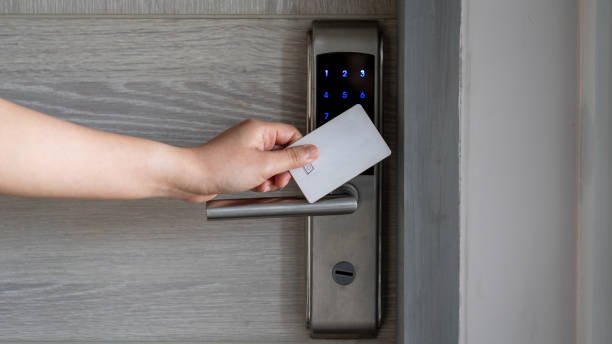
Traditional keys create problems. Workers lose them. Former employees keep copies. Someone forgets to return one after resigning. The situation becomes chaotic before long. Modern security doors solve this mess with smarter systems. Offices now use digital access tools linked with secure entry points. Some companies prefer fingerprint scanners while others choose swipe cards or keypad systems.
Managers track movement inside the building through these systems. That feature helps during investigations or security concerns. Offices gain stronger control over daily operations. Large companies benefit even more. Different departments require different access levels. Finance rooms should not stay open to every employee walking through the corridor. Security doors help create boundaries without disrupting workflow.
Do Security Doors Affect Business Reputation?
Yes. More than many owners realize. Visitors notice office security almost instantly. A protected workplace sends a message of professionalism and responsibility. Clients trust businesses that care about safety. That confidence shapes long term relationships. Potential employees notice these details too. Job seekers prefer workplaces that value staff welfare. A secure office environment creates a stronger company image during interviews and meetings.
Many firms ignore this angle completely. They focus on furniture and lighting while neglecting practical protection. Yet safety influences reputation in subtle ways. Clients feel more relaxed in secure surroundings. Workers feel respected. Those impressions linger.
Can Security Doors Save Money Over Time?
Some business owners hesitate after seeing the upfront cost. They view security doors as an extra expense rather than a practical investment. Short sighted thinking often creates larger losses later. Break ins cost serious money. Stolen devices need replacement. Damaged property demands repair. Business operations pause while management handles chaos. That disruption drains revenue fast.
Insurance companies also pay attention to office protection. Strong security systems can help businesses receive lower premiums in certain cases. Savings grow over time. Durability adds another advantage. Cheap office doors wear down quickly. Hinges loosen. Locks fail. Repairs pile up. Security doors last much longer because manufacturers build them for heavy use.
What Features Should Businesses Look For?
Material quality should come first. Steel remains one of the strongest choices for office security. Reinforced frames matter too because weak frames can ruin even the best lock setup. Locking systems deserve careful attention. Smart locking technology gives businesses stronger control over access. Multi point locks provide another useful layer of protection. Fire resistance also matters in modern offices. Some security doors help slow fire spread during emergencies. That feature can protect people and equipment during dangerous situations.
Noise reduction offers another bonus. Busy offices often struggle with sound travelling between rooms. Certain security doors reduce noise and create quieter workspaces. Appearance should not disappear from the checklist either. Offices need professional aesthetics alongside proper safety. Modern security doors now offer clean designs without sacrificing strength.
Why Should Businesses Act Before Problems Happen?
Many office owners wait until something bad occurs. A break in. Missing equipment. Damaged property. Then panic begins. Prevention always costs less than recovery. Threats continue to evolve. Criminals adapt quickly. Businesses need protection that matches modern risks. Strong entrance security forms the first line of defence against unwanted trouble.
Companies across different industries now rely on High security doors to strengthen workplace safety. These doors provide durability and practical protection without making offices feel cold or prison like. A secure office supports productivity. Employees feel safer. Clients trust the business more. Owners sleep better at night. That combination holds real value in today’s business environment.
FAQs
What are security doors made from?
Most security doors use reinforced steel or heavy duty metal materials for stronger protection.
Are security doors suitable for small offices?
Yes. Small offices face theft risks too. Security doors help protect equipment and important records.
Do security doors support digital access systems?
Yes. Many modern models work with fingerprint scanners and keycard systems.
Can security doors improve employee confidence?
Yes. Workers usually feel safer in offices with stronger protection systems.
How long do security doors last?
Quality security doors can last for many years with proper maintenance and regular inspection.
