
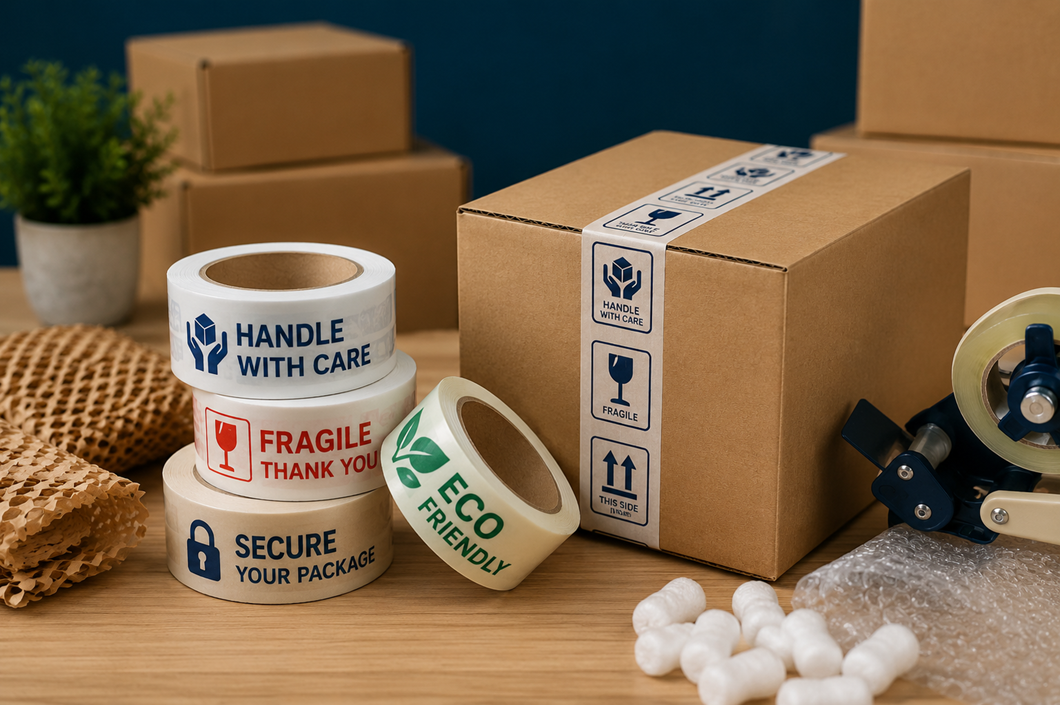
Most people don’t give packaging tape a second thought. They notice the box, the product inside, maybe even the protective filling. The tape is usually forgotten. Yet ask anyone who packs hundreds of parcels a day, and they’ll tell you the same thing: when a tape fails, everyone notices.
A split carton arriving at a customer’s doorstep is rare because the cardboard suddenly gives way. More often than not, the seal didn’t hold. That’s why tape plays such an important role in protective packaging. It keeps cartons closed, protects products during handling, and helps parcels survive the journey from warehouse to doorstep.
Different jobs require different tapes, and choosing the right one can save a surprising amount of time, money, and frustration.
Why Is Tape More Important Than People Realise?
Think about what happens after a parcel leaves a warehouse.
It may be stacked with dozens of other boxes, loaded into a van, transferred between depots, sorted on conveyor systems, and handled by multiple people before reaching its destination. Every stage places stress on the carton.
That is why tape isn’t simply one of many packaging materials. It is the component holding everything together.
A good seal helps:
- Keep cartons closed during transport
- Reduce accidental openings
- Protect the contents inside
Without the right tape, even the best box can struggle.
Which Tapes Are Commonly Used for Shipping?
Vinyl (Solvent) Tape
There is a reason many experienced packers trust solvent tape for heavier parcels.
It has a reputation for staying put once applied. If you’ve ever tried lifting a box full of books, tools, or equipment, you’ll understand why that matters.
Common uses include:
- Heavy cartons
- Export shipments
- Industrial products
For businesses that send heavy items, reliability often matters more than anything else.
Hot Melt Tape
Busy fulfilment centres move quickly.
During peak periods, packers may be sealing hundreds of cartons in a single shift. Hot melt tape is often chosen because it grabs quickly, helping teams maintain their pace without constantly checking seals.
It is frequently used for:
- General shipping
- High-volume packing
- E-commerce dispatch
The appeal is simple. It helps keep operations moving.
Low Noise Acrylic Tape
Not every tape-related problem involves parcel security.
Sometimes the issue is noise.
Anyone who has spent a day near a packing bench knows the sound of tape being pulled from a roll over and over again. Low-noise acrylic tape helps reduce that constant background disruption.
It is often found in:
- Offices
- Retail stockrooms
- Distribution facilities
The difference may seem small, but employees who use it daily tend to appreciate it.
Which Tapes Support Sustainable Packaging?
Kraft Paper Tape
Sustainability has become a bigger consideration for many businesses, particularly those shipping directly to consumers.
Kraft paper tape complements cardboard packaging naturally and creates a cleaner appearance than many plastic alternatives.
It is commonly chosen for:
- Retail orders
- Subscription boxes
- Eco-conscious packaging projects
Many businesses also like that it gives parcels a simple, understated look that feels professional rather than overpackaged.
How Do Printed and Bespoke Tapes Add Value?
Printed Tapes
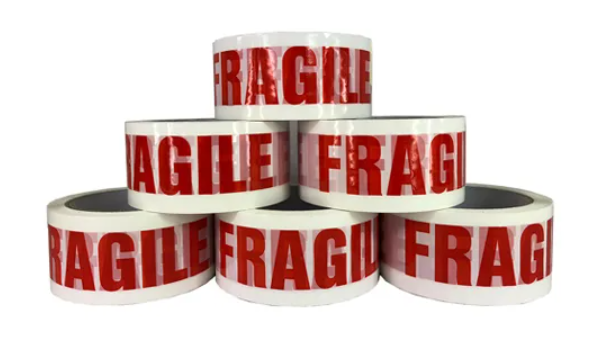
A printed message can sometimes prevent problems before they happen.
Whether it says “Fragile” or provides another handling instruction, the purpose is straightforward: communicate important information quickly.
Common applications include:
- Fragile warnings
- Handling instructions
- Security messages
In a busy depot, visibility matters. Clear messaging can help draw attention to parcels that require extra care.
Bespoke Tape
Branding doesn’t start when the box is opened.
For many online retailers, it starts with the package itself.
Bespoke tape allows businesses to add logos, colours, or custom messaging to cartons without changing the packaging structure.
It is often used for:
- Brand recognition
- Customer-facing deliveries
- Promotional packaging
Customers may not remember every detail of an order, but distinctive packaging often leaves a lasting impression.
Why Does Choosing the Right Tape Matter?
The best tape is rarely the most expensive one. It is the one that suits the task.
A warehouse shipping heavy products may lean towards solvent tape. An environmentally conscious retailer might prefer Kraft paper tape. A growing e-commerce business may use bespoke or printed tapes to strengthen its brand identity.
Like many packaging supplies, tape tends to be overlooked until something goes wrong. Yet it performs one of the most important jobs in the packing process. Every box relies on it. Every shipment depends on it. And when products arrive safely after travelling hundreds of miles, there is a good chance the tape played a bigger role than anyone realised.
| Tape Type | Common Use | Why It Is Chosen |
| Vinyl (Solvent) Tape | Heavy parcels | Strong and durable |
| Kraft Paper tape | Sustainable packaging | Recyclable appearance |
| Printed Tapes | Handling instructions | Improves visibility |
| Hot Melt Tape | Busy packing areas | Quick adhesion |
| Low Noise Acrylic Tape | Offices and warehouses | Quieter application |
| Bespoke Tape | Branded packaging | Professional presentation |
Conclusion
Spend enough time around a packing bench, and you start noticing the little things that keep operations running smoothly. Tape is one of them. Nobody celebrates a roll of tape when a delivery arrives safely, but everyone notices when a carton opens halfway through its journey. That’s why experienced packers tend to be particular about what they use. A fragile export shipment, a branded e-commerce order, and a heavy stock transfer all place different demands on a seal. Choosing the right tape isn’t about following a trend or buying the most expensive option on the shelf. It’s about understanding what the parcel is about to go through and giving it the best chance of arriving exactly as it left.