
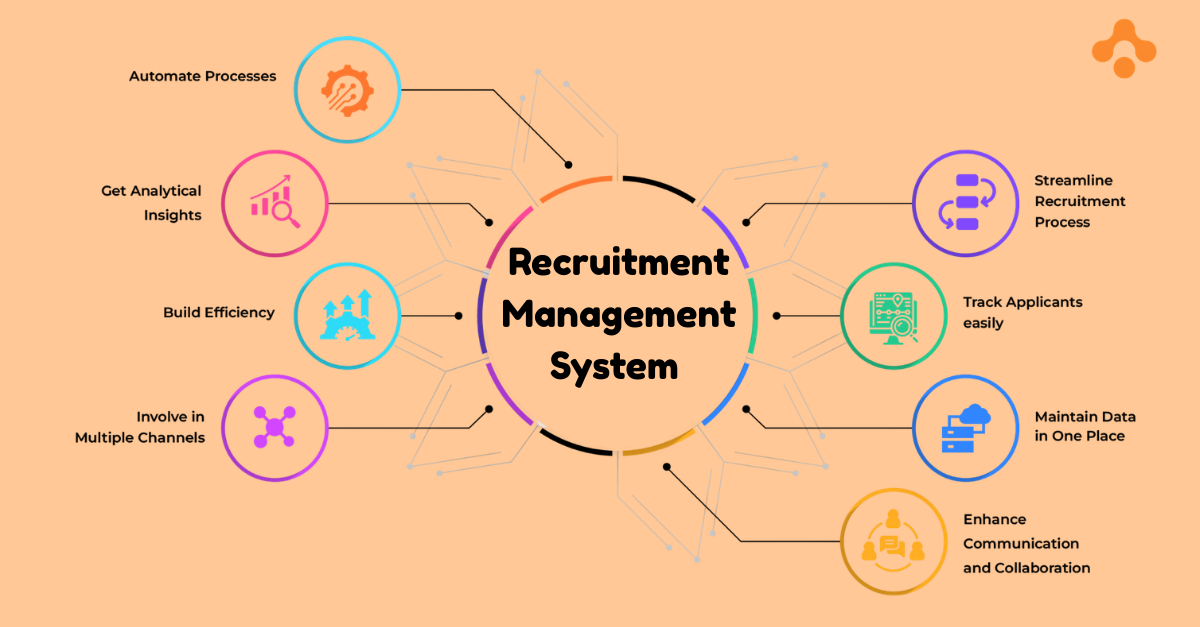
In today’s fast-paced business environment, organizations are under constant pressure to attract, hire, and retain top talent quickly and efficiently. Traditional recruitment methods, which often rely heavily on manual processes, are no longer sufficient to meet modern hiring demands. This is where recruitment automation comes into play. By leveraging advanced HR automation and recruitment automation software, companies can streamline their hiring workflows, reduce time-to-hire, and improve overall candidate experience.
This blog explores why HR teams need recruitment automation software, how it transforms recruitment management software, and the key benefits it brings to HR departments.
Understanding Recruitment Automation
Recruitment automation refers to the use of technology, including AI recruitment software and hiring automation tools, to automate repetitive and time-consuming tasks within the recruitment process. These tasks include job posting, resume screening, interview scheduling, and candidate communication.
Instead of manually handling each stage, HR professionals can rely on recruitment automation tools to create an efficient and scalable automated hiring process. This not only improves productivity but also allows HR teams to focus on strategic aspects of talent acquisition.
Why HR Teams Need Recruitment Automation Software
1. Increasing Hiring Efficiency
One of the primary reasons why HR teams need recruitment automation software is to improve hiring efficiency. Manual recruitment processes can be slow and prone to delays, especially when dealing with a large volume of applicants.
By implementing recruitment process automation, organizations can:
- Automatically shortlist candidates
- Schedule interviews without back-and-forth emails
- Send instant updates to applicants
This demonstrates how recruitment automation improves hiring efficiency by significantly reducing administrative workload and accelerating the hiring cycle.
2. Streamlining Recruitment Management
Effective recruitment management is crucial for successful hiring. Without automation, HR teams often struggle to manage multiple job openings, track candidate progress, and maintain communication.
With modern HR software and recruitment automation tools, companies can:
- Centralize candidate data
- Track applicants through every stage
- Maintain consistent communication
This ensures a seamless and organized recruitment process, minimizing errors and improving collaboration among hiring teams.
3. Enhancing Candidate Experience
Candidate experience plays a critical role in attracting top talent. A slow or disorganized recruitment process can discourage qualified candidates from continuing with an application.
Using automated candidate screening and communication tools, HR teams can:
- Provide quick responses to applicants
- Keep candidates informed throughout the process
- Reduce waiting times
An efficient automated hiring process creates a positive impression, increasing the likelihood of securing high-quality candidates.
Benefits of Recruitment Automation for HR Departments
4. Improved Quality of Hire
One of the major benefits of recruitment automation for HR departments is improved candidate selection. Advanced AI recruitment software can analyze resumes, match skills with job requirements, and identify the best candidates.
This data-driven approach ensures that hiring decisions are:
- More accurate
- Less biased
- Based on relevant criteria
As a result, organizations can enhance their talent acquisition strategies and build stronger teams.
5. Time and Cost Savings
Recruitment can be an expensive process, especially when it involves multiple rounds of interviews and extensive manual work. Hiring software helps reduce these costs by automating repetitive tasks.
With HR recruitment automation, companies can:
- Reduce dependency on external recruitment agencies
- Minimize administrative workload
- Decrease time-to-hire
These savings make recruitment automation a cost-effective solution for businesses of all sizes.
6. Better Data and Analytics
Modern recruitment automation software provides valuable insights into the hiring process. HR teams can track metrics such as:
- Time-to-fill positions
- Source of candidates
- Conversion rates
These insights help organizations optimize their recruitment management strategies and make informed decisions.
How Recruitment Automation Improves Hiring Efficiency
To understand how recruitment automation improves hiring efficiency, it’s important to look at its impact across different stages of recruitment:
Job Posting and Sourcing
Automation tools can post job openings across multiple platforms simultaneously, increasing reach and visibility.
Resume Screening
With automated candidate screening, the system filters resumes based on predefined criteria, saving hours of manual effort.
Interview Scheduling
Automated scheduling tools eliminate the need for constant communication between candidates and recruiters.
Candidate Communication
Automated emails and updates ensure that candidates are always informed, improving engagement and transparency.
Best Recruitment Automation Tools for HR Teams in 2026
As technology evolves, several advanced recruitment automation tools are shaping the future of hiring. The best recruitment automation tools for HR teams in 2026 are expected to offer:
- AI-driven candidate matching
- Predictive analytics for hiring success
- Integration with existing HR software systems
- Enhanced user experience for both recruiters and candidates
These tools will continue to redefine HR automation and make recruitment more efficient and strategic.
How to Automate the Recruitment Process for Faster Hiring
If you’re wondering how to automate the recruitment process for faster hiring, here are some practical steps:
1. Identify Repetitive Tasks
Start by analyzing your current recruitment workflow and identifying tasks that can be automated, such as resume screening and interview scheduling.
2. Choose the Right Tools
Select recruitment automation software that aligns with your organization’s needs and integrates well with existing systems.
3. Implement AI-Based Screening
Use AI recruitment software for efficient and unbiased candidate evaluation.
4. Automate Communication
Set up automated emails and notifications to keep candidates informed throughout the process.
5. Monitor and Optimize
Continuously track performance metrics and optimize your recruitment process automation strategy.
The Role of HR Automation in Talent Acquisition
HR automation is transforming the way organizations approach talent acquisition. By reducing manual work and improving efficiency, it allows HR professionals to focus on strategic initiatives such as:
- Employer branding
- Employee engagement
- Workforce planning
This shift not only enhances recruitment outcomes but also contributes to the overall Benefits of Talent Management, including better employee retention and organizational growth.
Challenges and Considerations
While recruitment automation offers numerous benefits, it’s important to consider potential challenges:
- Over-reliance on automation may reduce the human touch
- Initial implementation costs can be high
- Poorly configured systems may lead to inaccurate screening
To overcome these challenges, HR teams should strike a balance between automation and human involvement.
Conclusion
The need for recruitment automation is no longer optional—it’s essential for modern HR teams. From improving efficiency and reducing costs to enhancing candidate experience and ensuring better hiring decisions, the advantages are undeniable.
By adopting recruitment automation software and leveraging hiring automation tools, organizations can build a more effective and scalable recruitment process. As technology continues to evolve, companies that embrace HR recruitment automation will gain a competitive edge in attracting and retaining top talent.
Ultimately, understanding why HR teams need recruitment automation software is the first step toward transforming your hiring strategy and achieving long-term success in talent acquisition.
