
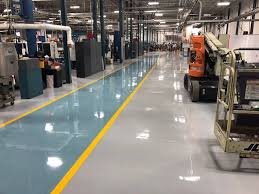
Industrial facilities operate under demanding conditions every day. Heavy machinery, constant foot traffic, chemical exposure, material handling equipment, and environmental stress place significant pressure on flooring systems. A damaged or poorly designed floor can lead to operational disruptions, safety hazards, maintenance challenges, and increased costs. This is why investing in the right Industrial Flooring Solutions has become a priority for industries seeking long-term performance and reliability.
Modern industrial flooring is designed to withstand harsh conditions while maintaining structural integrity and operational efficiency. Whether it is a manufacturing plant, warehouse, logistics center, food processing unit, pharmaceutical facility, or automotive workshop, the right flooring system contributes to productivity, workplace safety, and asset protection. Choosing suitable flooring materials and installation methods ensures that facilities remain functional and compliant with industry standards.
Why Industrial Flooring Matters for Industrial Operations
Industrial flooring serves as the foundation of every facility’s daily operations. Unlike residential or commercial floors, industrial surfaces must endure significantly higher loads and more aggressive environmental conditions. Cracks, surface deterioration, dust generation, and uneven flooring can negatively affect equipment performance and worker safety.
A well-designed flooring system improves operational efficiency by providing a smooth, durable, and safe working surface. It minimizes downtime caused by repairs and reduces maintenance requirements over time. Businesses that prioritize quality flooring solutions often experience better workflow management and lower lifecycle costs, making industrial flooring a strategic investment rather than just a construction element.
Common Challenges Faced by Industrial Floors
Industrial floors are continuously exposed to conditions that can accelerate wear and deterioration. Heavy vehicle movement, impact loads, chemical spills, temperature fluctuations, and moisture penetration are some of the most common challenges encountered in industrial environments. Without proper protection, these factors can compromise floor performance and structural stability.
Surface damage often begins with minor cracks and abrasion but can quickly develop into serious problems if left unaddressed. Uneven surfaces can affect machinery alignment and increase accident risks. Facilities operating in demanding sectors require flooring systems specifically engineered to withstand these challenges while maintaining long-term functionality and durability.
Types of Industrial Flooring Solutions
Different industries require different flooring systems based on their operational needs. Selecting the right solution depends on factors such as load-bearing requirements, chemical exposure, hygiene standards, and maintenance expectations. Modern industrial flooring technologies provide a wide range of options to meet diverse performance requirements.
Popular solutions include epoxy flooring, polyurethane flooring, polished concrete flooring, heavy-duty concrete floors, anti-static flooring, chemical-resistant flooring, and industrial floor coatings. Each option offers unique advantages and is designed to address specific environmental and operational conditions, ensuring optimal performance throughout the facility’s lifespan.
Epoxy Flooring for Industrial Facilities
Epoxy Flooring remains one of the most widely used industrial flooring systems due to its exceptional durability and resistance properties. The seamless finish creates a strong protective layer that withstands heavy traffic, abrasion, and chemical exposure. Industries frequently choose epoxy flooring because it delivers long-term performance with relatively low maintenance requirements.
The smooth and non-porous surface prevents dust accumulation and simplifies cleaning procedures. This makes epoxy flooring particularly suitable for manufacturing plants, warehouses, laboratories, and automotive facilities. Its ability to enhance aesthetics while providing industrial-grade protection contributes to its popularity across multiple sectors.
Benefits of Polyurethane Industrial Flooring
Polyurethane flooring offers excellent flexibility and impact resistance, making it ideal for environments experiencing temperature variations and mechanical stress. Unlike rigid flooring systems, polyurethane can accommodate slight substrate movements without cracking, which helps maintain structural integrity over time.
Industries such as food processing, cold storage, and chemical manufacturing often prefer polyurethane flooring because of its thermal shock resistance and hygienic properties. The seamless finish supports cleanliness requirements while delivering long-lasting protection against chemicals, moisture, and heavy operational loads, ensuring reliable performance in challenging conditions.
The Growing Demand for Polished Concrete Flooring
Polished Concrete Flooring has gained popularity among industrial facility owners looking for durability combined with cost efficiency. The polishing process enhances the concrete surface, creating a dense and attractive finish capable of handling substantial traffic and operational demands.
One of the key advantages of polished concrete is its low maintenance requirement. The reflective surface can also improve lighting efficiency within facilities, potentially reducing energy consumption. Warehouses, logistics centers, and manufacturing units frequently choose polished concrete because it offers durability, functionality, and long-term value without requiring extensive maintenance procedures.
Chemical Resistant Flooring for Specialized Industries
Many industrial environments involve exposure to corrosive chemicals, oils, solvents, and cleaning agents. Standard flooring systems often struggle to withstand these substances, leading to surface degradation and costly repairs. Chemical resistant flooring provides a specialized solution designed to protect facilities operating under such demanding conditions.
Industries including pharmaceuticals, petrochemicals, chemical processing plants, and laboratories rely on advanced flooring systems that maintain performance despite frequent chemical exposure. These flooring solutions help preserve structural integrity, support workplace safety, and minimize maintenance costs associated with chemical-related damage.
Importance of Safety in Industrial Flooring
Workplace safety remains a top priority across industrial sectors. Flooring plays a crucial role in creating a safe environment for employees, visitors, and equipment operators. Slippery surfaces, uneven floors, and damaged concrete significantly increase the risk of accidents and operational disruptions.
Modern industrial flooring solutions incorporate safety features such as anti-slip textures, impact resistance, and clear surface visibility. These characteristics help reduce workplace incidents while supporting regulatory compliance. Investing in high-quality flooring contributes to a safer and more productive work environment, ultimately benefiting both employees and business operations.
Industrial Floor Coatings and Surface Protection
Industrial floor coatings serve as protective barriers that extend the lifespan of flooring systems. These coatings shield concrete surfaces from abrasion, moisture intrusion, chemical attack, and heavy traffic. By enhancing surface durability, coatings help facilities maintain operational efficiency while reducing repair expenses.
Advanced floor coating technologies offer customizable solutions tailored to industry-specific requirements. Depending on operational needs, facilities can select coatings with enhanced chemical resistance, anti-static properties, or slip-resistant characteristics. This flexibility allows businesses to achieve optimal performance while protecting valuable infrastructure assets.
How Proper Flooring Improves Productivity
Efficient operations depend on reliable infrastructure, and flooring is a fundamental component of that infrastructure. Damaged floors can interfere with equipment movement, slow material handling processes, and create safety concerns that affect productivity. A durable flooring system helps maintain smooth operations and reduces unnecessary disruptions.
When facilities invest in high-performance industrial flooring, they create a stable environment that supports workflow efficiency. Equipment operates more effectively on level surfaces, maintenance requirements decrease, and workers can perform tasks more safely. These benefits contribute directly to improved operational performance and business profitability.
Maintenance Strategies for Long-Term Floor Performance
Even the most durable industrial flooring systems require proper maintenance to achieve their maximum lifespan. Regular inspections, preventive maintenance, and timely repairs help identify potential issues before they develop into costly problems. A proactive maintenance approach significantly reduces long-term expenses and operational disruptions.
Cleaning procedures should align with the specific flooring material and environmental conditions. Addressing cracks, surface wear, and chemical damage promptly helps preserve structural integrity and appearance. Consistent maintenance ensures that industrial flooring continues to deliver reliable performance while supporting safety and productivity objectives.
Selecting the Right Industrial Flooring Partner
Choosing the right flooring solution involves more than selecting materials. Proper design, engineering assessment, installation quality, and ongoing support all influence long-term performance. Working with experienced professionals helps ensure that flooring systems meet operational demands and industry standards.
Organizations should evaluate project requirements carefully before selecting a flooring contractor. Factors such as load conditions, environmental exposure, maintenance expectations, and future operational needs should guide decision-making. A knowledgeable partner can recommend customized solutions that maximize durability, safety, and return on investment.
Industrial Flooring Trends Shaping Modern Facilities
Industrial flooring technology continues to evolve as industries seek more durable, sustainable, and efficient solutions. Innovations in flooring materials, coating systems, and installation techniques are helping facilities improve performance while reducing maintenance requirements and operational costs.
Advanced flooring systems now offer enhanced chemical resistance, improved impact performance, and greater environmental sustainability. Smart facility owners are increasingly investing in modern flooring technologies that support long-term infrastructure reliability. These developments are transforming industrial environments and setting new standards for durability and operational excellence.
Industrial flooring is far more than a surface beneath equipment and personnel. It plays a critical role in workplace safety, operational efficiency, asset protection, and long-term facility performance. Selecting the right flooring system can help businesses reduce maintenance costs, improve productivity, and create safer working environments. For organizations seeking reliable infrastructure solutions, professional engineering expertise is essential. Companies such as Gubbi Civil Engineers Limited provide valuable guidance in evaluating flooring requirements and implementing durable solutions tailored to industrial needs. By investing in high-quality industrial flooring, businesses can strengthen operational resilience and support sustainable growth for years to come.
