
Industrial systems are evolving at a remarkable pace, and manufacturers across the globe are constantly searching for ways to improve efficiency, reduce downtime, and maintain smooth production processes. While much of the attention is often focused on automation software, artificial intelligence, and advanced machinery, there is another important component quietly contributing to industrial success. In 2026, double timing belts are playing a significant role in helping industries achieve better performance and greater reliability.
As competition continues to grow, businesses are under increasing pressure to deliver products faster while maintaining high quality standards. Even a minor disruption in production can lead to delays, increased costs, and customer dissatisfaction. This is why many industries are taking a closer look at components that can improve machine performance over the long term. Among these solutions, double timing belts have emerged as an important contributor to operational efficiency.
Note:
Understanding how Double Timing Belts(Doppelzahnriemen) contribute to industrial performance can help businesses make informed decisions about their machinery and production systems. For additional information about their applications and benefits, explore the solutions offered by PIX Germany GmbH. Contact them to learn more about industry developments and reliable power transmission technologies.
Understanding Double Timing Belts
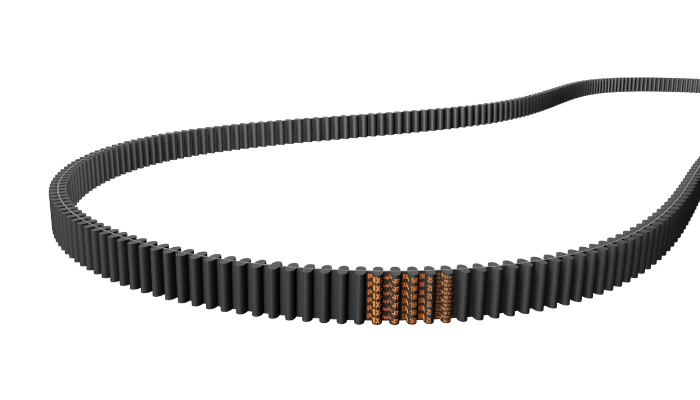
Double timing belts are designed with teeth on both sides of the belt, allowing them to connect with pulleys from both directions. This unique design enables multiple machine components to move together in a synchronized manner. Unlike conventional belts that operate on a single side, double timing belts can transfer motion more effectively across complex systems.
At first glance, this may seem like a simple design difference. However, the ability to maintain smooth and coordinated movement across multiple machine parts can have a major impact on overall productivity. As industrial systems become more advanced, this feature is proving to be increasingly valuable.
Why Industrial Performance Matters More Than Ever in 2026
The industrial environment in 2026 is more demanding than ever before. Manufacturers are expected to increase output, maintain consistent product quality, and control operational costs at the same time. Customers expect faster delivery, while businesses seek ways to maximize the return on their investments.
In this environment, machine reliability has become one of the most important factors affecting success. A production line can only perform efficiently when all of its components work together without interruption. This is where double timing belts are making a noticeable difference. Their ability to support smooth and reliable movement helps businesses keep operations running efficiently, even under demanding conditions.
The Shift Toward Smarter Motion Systems
Modern factories are becoming increasingly automated. Machines now perform tasks that once required significant human involvement, and production systems often operate continuously for long periods. As a result, maintaining precise coordination between moving components has become essential.
When different parts of a machine fail to move in perfect harmony, problems can quickly arise. Product quality may decline, machine parts may wear out more rapidly, and production schedules can be disrupted. These issues can create a chain reaction that affects overall business performance.
Double timing belts help address these challenges by ensuring that connected components move together consistently. This synchronized motion helps improve reliability and allows machines to perform as intended over extended periods. The result is a smoother production process and fewer unexpected interruptions.
Key Benefits Driving Adoption in 2026
The growing popularity of double timing belts is largely driven by the practical benefits they offer. One of the most significant advantages is their ability to improve movement accuracy. Many industrial applications require precise positioning and repeatable motion. Even small inconsistencies can affect product quality and increase waste. Double timing belts help maintain stable movement, supporting greater consistency throughout the production cycle.
Another major benefit is reduced downtime. Unexpected machine failures can be costly, not only because of repair expenses but also because of lost production time. By contributing to reliable machine operation, double timing belts help reduce the likelihood of disruptions. This allows businesses to maintain productivity and avoid unnecessary delays.
Energy efficiency is another factor contributing to their growing adoption. As energy costs continue to rise, manufacturers are looking for ways to optimize resource usage. Efficient power transmission helps reduce energy loss during operation, allowing machines to perform more effectively while consuming fewer resources. Over time, these improvements can contribute to lower operating costs and improved sustainability.
| Industrial Challenge | Impact of Double Timing Belts |
|---|---|
| Frequent downtime | Supports reliable operation and reduces interruptions |
| Poor synchronization | Helps maintain smooth and coordinated movement |
| Rising maintenance costs | Reduces wear on machine components |
| Production delays | Improves consistency and operational flow |
| Energy waste | Enhances power transmission efficiency |
| Complex machinery | Supports multiple synchronized movements |
Industries Benefiting the Most
The influence of double timing belts can be seen across a wide range of industries. Manufacturing facilities use them to help maintain coordinated movement throughout production lines. This synchronization contributes to consistent product quality and efficient production processes.
In the packaging industry, speed and accuracy are essential. Packaging equipment often handles large volumes of products within tight timeframes. Double timing belts help maintain precise movement, allowing packaging systems to operate smoothly and efficiently.
Material handling systems also benefit from their use. Conveyors and transport equipment depend on reliable motion to move products and materials throughout a facility. Consistent movement helps prevent delays and supports overall workflow efficiency.
The robotics sector has become another important area for double timing belt applications. Robotic systems require precise and repeatable movement to perform tasks accurately. The ability of double timing belts to support controlled motion makes them well suited for these advanced applications.
Printing equipment is another example where accuracy matters. Even small positioning errors can affect the quality of printed materials. By supporting stable movement, double timing belts help improve consistency and reduce the likelihood of errors.
The Hidden Advantage Most People Overlook
While discussions about industrial performance often focus on speed and output, one important benefit of double timing belts is frequently overlooked. That benefit is consistency.
Many businesses naturally focus on increasing production speed. However, the ability to maintain dependable performance over time can be even more valuable. A machine that operates reliably for months without significant issues can generate substantial savings through reduced maintenance requirements and fewer production interruptions.
This consistent performance helps businesses plan more effectively and avoid unexpected challenges. In many cases, the long-term value of reliability outweighs short-term gains in speed alone.
What Makes 2026 Different?
Several trends are contributing to the increased adoption of double timing belts in 2026. One of the most significant factors is the continued growth of automation. As factories become more automated, the need for reliable motion systems becomes increasingly important. Every component must work together seamlessly to support efficient production.
At the same time, businesses are under pressure to increase productivity without significantly increasing costs. Manufacturers are seeking practical solutions that can improve performance while supporting long-term operational goals. Double timing belts align well with these objectives because they contribute to reliability, efficiency, and reduced maintenance demands.
Sustainability is another major consideration. Companies are actively looking for ways to reduce waste and improve energy efficiency. By supporting smoother operation and efficient power transmission, double timing belts contribute to these broader sustainability efforts.
| Performance Area | Observed Improvement |
| Machine reliability | More stable operation |
| Production efficiency | Increased output potential |
| Maintenance frequency | Fewer service interruptions |
| Product quality | Greater consistency |
| Energy usage | Improved efficiency |
| Operating costs | Reduced long-term expenses |
How Double Timing Belts Support Future Manufacturing
The future of manufacturing will depend heavily on efficiency, reliability, and intelligent system design. As factories continue integrating advanced technologies, every component will play an important role in supporting overall performance.
Double timing belts are well positioned to support this future because they help maintain synchronized movement, reduce operational disruptions, and improve machine coordination. These advantages make them valuable not only for today’s industrial systems but also for the next generation of manufacturing technologies.
As industries continue evolving, businesses will increasingly focus on solutions that provide long-term value rather than short-term fixes. Reliable motion systems will remain essential, and double timing belts are expected to play an increasingly important role in helping manufacturers achieve their performance goals.
Conclusion
Industrial performance in 2026 is being shaped by a growing emphasis on reliability, efficiency, and smarter machine operation. Although they often receive less attention than other technologies, double timing belts are helping industries achieve these goals every day.
Their ability to support accurate movement, improve synchronization, reduce downtime, and enhance energy efficiency makes them a valuable component across many industrial sectors. From manufacturing and packaging to robotics and material handling, their impact continues to grow.
As businesses seek ways to remain competitive in a rapidly changing environment, dependable motion systems will become even more important. Double timing belts are quietly proving that even a small component can make a significant difference in overall industrial performance.
Frequently Asked Questions
1. What are double timing belts used for?
Double timing belts are used in industrial systems that require synchronized movement between multiple machine components. They help ensure smooth and accurate operation across various applications.
2. Why are double timing belts important in modern industries?
They support reliable machine performance, improve movement accuracy, reduce downtime, and contribute to greater operational efficiency.
3. Which industries commonly use double timing belts?
Industries such as manufacturing, packaging, material handling, robotics, and printing commonly use double timing belts to support precise motion and efficient operation.
4. Do double timing belts help improve energy efficiency?
Yes. Their efficient power transmission capabilities can help reduce energy loss during operation, contributing to improved overall efficiency.
5. How do double timing belts reduce maintenance requirements?
By promoting smooth and synchronized movement, they help reduce wear on machine components, which can lead to fewer repairs and less frequent maintenance.
Social Links
Facebook: https://www.facebook.com/pixgermanygmbh/
Instagram: https://www.instagram.com/pixgermanygmbh/
YouTube: https://www.youtube.com/user/pixtrans
LinkedIn: https://www.linkedin.com/company/pixgermanygmbh/
Twitter/X: https://x.com/pixgermanygmbh
Google Maps: https://maps.app.goo.gl/Ls83bzangT1ipdQv5
