
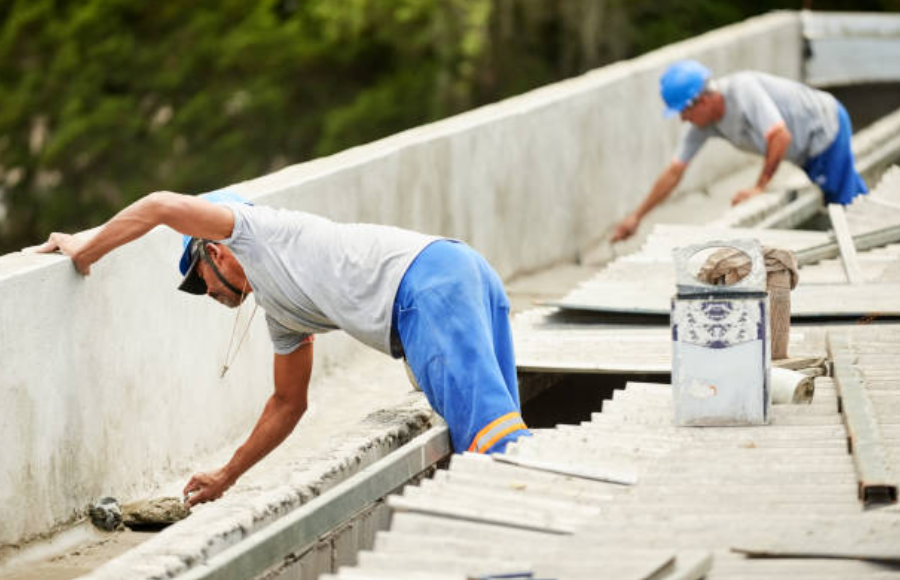
Water damage rarely starts with a dramatic leak. More often, it begins with small signs that are easy to ignore until repairs become disruptive, expensive, and hard to contain.
A stain near a ceiling edge, a damp smell in a hallway, or cracked exterior surfaces can all point to deeper moisture issues. That is where a commercial waterproofing company becomes relevant.
This post breaks down the warning signs, what they usually mean, and how property owners and managers can respond before minor problems turn into structural ones.
Why Early Waterproofing Problems Are Easy to Miss
Commercial buildings deal with constant exposure to rain, humidity, temperature shifts, and wear over time. Roof decks, balconies, parking structures, concrete walls, joints, windows, and exterior coatings all play a role in keeping moisture out. When one part of that system starts to fail, the damage may not show up right away.
That delay is what makes moisture issues tricky. Water can move behind walls, under coatings, around cracks, and through aging sealants before it becomes visible indoors. By the time obvious signs appear, the problem may already involve multiple surfaces.
A building does not need to be old to have waterproofing concerns. Poor drainage, failed sealants, neglected maintenance, and exposure to harsh weather can affect newer properties, too.
The Most Common Signs You Need a Commercial Waterproofing Company
If a building shows repeated moisture-related issues, bringing in a waterproofing company is often the next practical step.
Here are the signs that usually deserve closer attention:
Water stains on ceilings, walls, or around windows
Staining is one of the clearest warning signs. Brown, yellow, or dark patches often suggest water is entering from above, through wall assemblies, or around openings. Even if the stain appears dry, the source may still be active.
This becomes more important when stains return after repainting. A cosmetic fix does not solve hidden moisture intrusion.
Cracks in exterior walls or concrete surfaces
Not every crack is a major structural issue, but cracks can create easy entry points for water. This is especially true in concrete surfaces, stucco systems, parapet walls, podium decks, and balconies.
Moisture entering through cracks can lead to interior damage, coating failure, and long-term deterioration if left unaddressed.
Bubbling, peeling, or blistering paint and coatings
When paint starts lifting away from the surface, trapped moisture is often part of the problem. Exterior coatings and interior finishes can both react this way when water moves through the substrate.
Peeling paint should not be treated as a surface-only issue without checking what is happening underneath.
Musty odours or recurring damp smells
A persistent damp smell often signals hidden moisture. Even when visible water is not present, wet materials behind walls, under flooring, or above ceilings can create a stale indoor environment.
This can affect tenant comfort, indoor air quality, and overall building perception.
Mold or mildew in repeat problem areas
Mold growth near baseboards, ceilings, corners, or window lines often points to ongoing moisture intrusion. In commercial properties, recurring mold in the same zone usually means the source was never fully resolved.
That is a strong sign the issue needs more than routine cleaning.
Ponding water or poor drainage
Water that lies too long on flat surfaces should never be ignored. Roof areas, decks, walkways, and parking structures all need proper drainage. When water pools regularly, it increases the chance of seepage, membrane damage, and surface breakdown.
This is one of the clearest cases where waterproofing and drainage need to be assessed together.
When Small Surface Damage Points to a Bigger Problem
One of the biggest mistakes in building maintenance is treating every symptom as a separate issue. A crack gets patched. A stain gets painted over. A joint gets resealed in one spot. The problem seems manageable until it keeps coming back.
Recurring damage usually means water is moving through a larger path. What looks like a local problem may actually come from failed flashing, worn expansion joints, poor deck waterproofing, deteriorated sealant lines, or compromised wall systems.
A qualified waterproofing assessment helps connect those dots. That matters because repeated patchwork often costs more over time than addressing the root cause properly.
Surface Clues vs. What They May Indicate
| Visible Sign | What It May Mean |
| Ceiling stain | Roof leak, deck leak, or wall intrusion |
| Cracked concrete | Water entry, freeze-thaw wear, or coating failure |
| Peeling paint | Moisture trapped behind the surface |
| Damp odour | Hidden moisture in walls, ceilings, or flooring |
| Mold spots | Ongoing water intrusion or chronic humidity |
| Standing water | Drainage issues or failed waterproofing slope |
Buildings That Often Need Waterproofing Attention Sooner
Some commercial properties are more likely to need waterproofing support because of how they are built or used.
These include:
- High-rise buildings exposed to wind-driven rain
- Parking garages and podium decks
- Condominiums and mixed-use properties
- Older commercial buildings with aging sealants
- Buildings in humid or storm-prone climates
- Properties with balconies, planters, and exposed walkways
What a Proper Waterproofing Evaluation Should Look At
A useful evaluation does more than confirm that water is present. It should help identify where the water is entering, how it is moving, and which building components are contributing to the problem.
That often includes reviewing:
- Exterior wall conditions
- Roof or deck transitions
- Cracks and failed joints
- Window and door perimeters
- Sealant performance
- Drainage paths and ponding areas
- Condition of coatings or membranes
- Concrete deterioration or spalling
The goal is to solve the source, not just the symptom.
Final Thoughts
Water damage usually gives warnings before it becomes a major repair project. The challenge is knowing which signs point to a deeper issue and which ones cannot be solved with another surface fix. Stains, cracks, peeling coatings, mold, and drainage problems all deserve closer attention when they repeat or spread.
Bringing in a commercial waterproofing company at the right time can help uncover the real source of the problem, protect the building envelope, and prevent small failures from becoming much larger disruptions. In commercial properties, early action is often the smartest form of damage control.
