
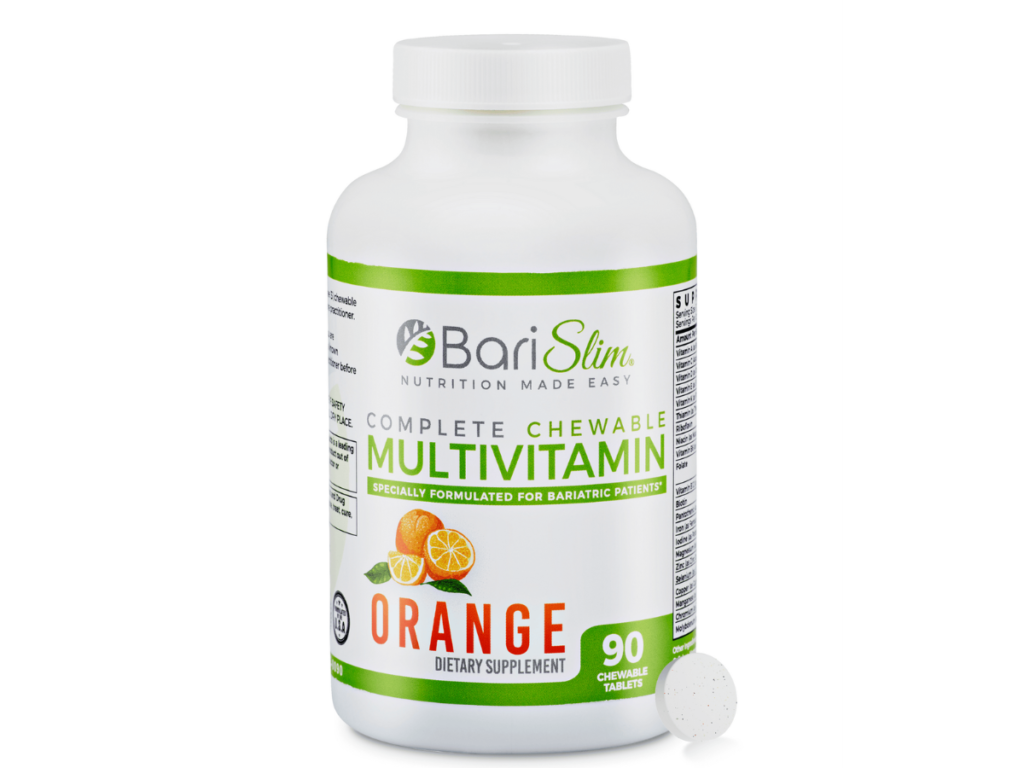
After weight-loss surgery, the body may absorb fewer vitamins and minerals than before. Food portions are also smaller, which can make it harder to meet daily nutrient needs through meals alone. A bariatric multivitamin is designed to help support these changed nutritional needs after procedures such as the gastric sleeve, gastric bypass, and other bariatric surgeries.
Bariatric surgery can increase the risk of micronutrient deficiencies, and long-term supplementation is commonly recommended to help prevent nutritional problems. The exact supplement plan should be based on the type of surgery, lab results, medical history, and guidance from a healthcare professional.
Bariatric Multivitamins Are Formulated for Post-Surgery Needs
A bariatric multivitamin is different from a standard daily multivitamin. It is usually formulated with higher levels of certain nutrients that may be harder to absorb after surgery. These may include B vitamins, iron, vitamin D, vitamin A, vitamin K, zinc, copper, and folate.
The goal is not simply to take more vitamins, but to take the right nutrients in the right amounts. Some patients may need additional supplements beyond a multivitamin, depending on their procedure and lab results. Regular follow-up testing helps identify what is needed.
Surgery Type Affects Supplement Requirements
Different bariatric procedures affect digestion and absorption in different ways. Gastric sleeve mainly reduces stomach size, while gastric bypass also changes the path food takes through the digestive system. Duodenal switch procedures may create even higher deficiency risks.
Because of these differences, supplement needs are not the same for everyone. Some patients may need more iron, calcium, vitamin B12, or fat-soluble vitamins. A bariatric care team can help determine the correct plan.
Key Nutrients Should Be Reviewed Carefully
Bariatric multivitamins may contain many nutrients, but several are especially important after surgery. Deficiencies can affect energy, nerve function, bone health, immunity, and overall recovery. Patients should understand what their supplement includes.
Important nutrients often include:
- Thiamin
- Vitamin B12
- Folate
- Iron
- Vitamin D
- Vitamin A
- Vitamin K
- Zinc
- Copper
- Selenium
- Iodine
ASMBS-based supplement summaries often include daily targets such as at least 12 mg thiamin, 350–500 mcg vitamin B12, 3,000 IU vitamin D, and 45–60 mg iron for many bariatric patients, though individual needs may vary.
Supplement Form Can Affect Consistency
Bariatric supplements are available in capsules, chewables, soft chews, liquids, and tablets. The best form depends on the patient’s stage after surgery, tolerance, swallowing comfort, and provider recommendations. Early after surgery, chewable or liquid forms may be easier for some patients.
Taste and texture also matter because supplements are taken long term. If a patient dislikes a supplement, they may skip doses. Choosing a form that fits daily habits can improve consistency.
Lab Monitoring Helps Personalize Care
Supplements should not replace medical follow-up. Blood tests help track nutrient levels and identify deficiencies before symptoms become serious. Results may show whether the current multivitamin is enough or whether additional nutrients are needed.
Common labs may include iron studies, vitamin B12, folate, vitamin D, calcium, parathyroid hormone, thiamin, and other markers depending on the procedure. A provider may adjust supplements based on these results.
Final Thoughts
A bariatric multivitamin is an important part of long-term nutrition after weight-loss surgery. It helps support nutrient intake when food portions and absorption may be reduced, but it should be chosen with guidance from a bariatric provider. Calcium, iron, B12, vitamin D, and other nutrients may need special attention depending on the procedure and lab results. When planning a supplement routine, bariatric calcium chews in the middle of the daily schedule can be useful for patients who prefer a chewable calcium option, as long as they are taken separately from iron-containing multivitamins.