
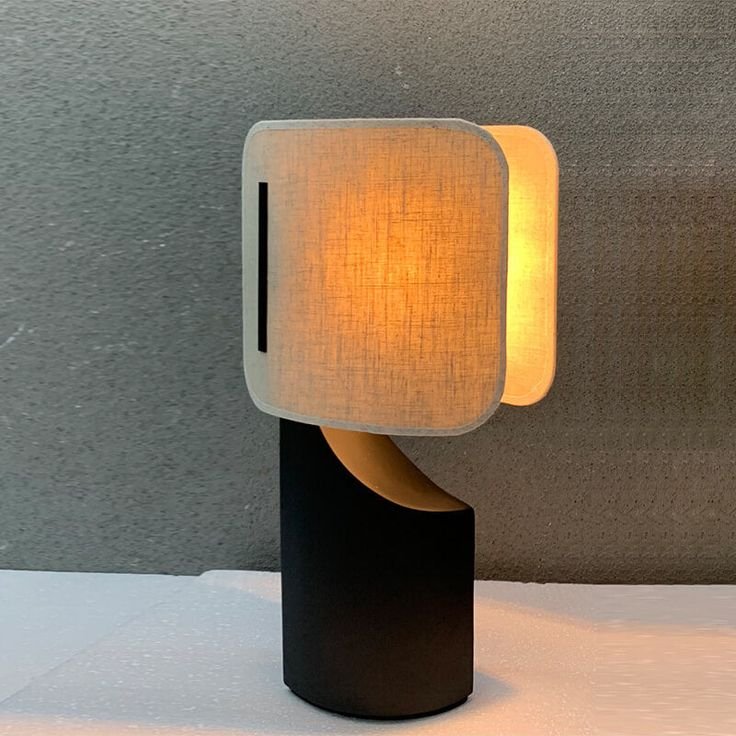
Selecting a chandelier involves more than simply choosing a decorative fixture. This statement piece often becomes the focal point of a room, influencing ambiance, functionality, and overall aesthetic harmony. Whether intended for a grand dining area, a cozy living space, or an elegant entryway, careful evaluation ensures the right choice enhances both style and practicality. Understanding key factors before making a purchase can prevent costly mistakes and ensure lasting satisfaction.
Understanding Room Dimensions
One of the first considerations involves evaluating the size of the space where the chandelier will be installed. Selecting the right Ceiling Chandeliers/ثريات سقف is important because a fixture that is too large can overwhelm the environment, while one that is too small may appear insignificant. Measuring the length and width of the room provides a helpful guideline. Adding these dimensions together often gives an approximate diameter in inches suitable for the fixture.
Ceiling height also plays a critical role. In spaces with lower ceilings, a compact design or semi-flush mount may be more appropriate, while rooms with higher ceilings can accommodate larger, more elaborate pieces. Proper proportion creates visual balance and prevents obstruction.
Determining Purpose and Functionality
Beyond aesthetics, understanding the primary purpose of the chandelier is essential. Some fixtures serve as the main source of illumination, while others act as accent lighting. Identifying whether the fixture needs to provide bright, functional light or soft, ambient glow will guide selection.
For dining areas, a chandelier often provides both visual appeal and practical lighting. In contrast, in bedrooms or lounges, softer illumination might be preferable. Choosing a fixture with adjustable brightness or compatibility with dimmers adds flexibility for different occasions.
Choosing the Right Style
Chandeliers come in a wide range of styles, from classic crystal designs to modern minimalist structures. The chosen style should complement the existing décor rather than clash with it. A cohesive design approach enhances the overall atmosphere of the room.
Traditional interiors often benefit from ornate fixtures with intricate detailing, while contemporary spaces may require sleek, geometric designs. Transitional styles can blend elements from both, offering versatility. Matching finishes, colors, and materials with furniture and architectural features ensures a harmonious look.
Considering Material and Finish
Material selection significantly impacts durability, maintenance, and visual appeal. Common materials include metal, glass, crystal, wood, and even fabric. Each option offers unique characteristics.
Crystal chandeliers create a luxurious, sparkling effect but require regular cleaning to maintain brilliance. Metal fixtures provide durability and come in various finishes such as brushed nickel, bronze, or matte black. Wooden elements add warmth and natural charm, while glass components contribute to a lighter, airy feel.
Selecting a finish that complements other elements in the room, such as hardware or furniture, creates a unified aesthetic.
Evaluating Lighting Requirements
The amount of light produced by the chandelier should match the needs of the space. This depends on factors such as room size, purpose, and natural light availability. Calculating the required lumens helps ensure adequate brightness.
Fixtures with multiple bulbs often provide more illumination, but bulb type also matters. Options include LED, incandescent, and compact fluorescent. LED bulbs are energy-efficient, long-lasting, and available in various color temperatures.
Warm lighting creates a cozy atmosphere, while cooler tones offer a brighter, more energizing effect. Selecting the appropriate color temperature enhances comfort and usability.
Placement and Installation Height
Correct placement is essential for both aesthetics and safety. In dining rooms, chandeliers are typically centered above the table, ensuring balanced lighting distribution. The height at which the fixture is hung also matters.
A common guideline suggests positioning the chandelier approximately 30 to 36 inches above the table surface for standard ceiling heights. For taller ceilings, the fixture can be raised slightly. In open spaces such as foyers, ensuring adequate clearance prevents obstruction while maintaining visual impact.
Professional installation may be necessary for complex designs or heavy fixtures to ensure secure mounting.
Energy Efficiency and Sustainability
Modern lighting solutions increasingly emphasize energy efficiency. Choosing a chandelier compatible with energy-saving bulbs reduces electricity consumption and lowers utility costs. LED technology is particularly advantageous due to its longevity and minimal energy usage.
Sustainability considerations may also include selecting fixtures made from eco-friendly materials or produced using responsible manufacturing processes. Making environmentally conscious choices contributes to long-term benefits.
Maintenance and Cleaning
Maintenance requirements vary depending on the design and materials used. Intricate chandeliers with multiple components may require more frequent cleaning to maintain their appearance. Dust accumulation can reduce brightness and affect overall aesthetics.
Selecting a design that aligns with your willingness to maintain it is important. Some fixtures are easier to clean due to simpler structures, while others may require professional cleaning services.
Ensuring accessibility for maintenance, especially in high-ceiling areas, should also be considered before installation.
Budget Considerations
Establishing a budget helps narrow down options and prevents overspending. Chandeliers are available in a wide price range, influenced by factors such as size, materials, craftsmanship, and brand reputation. Exploring different styles of Pendant Lights Dubai can also help homeowners find elegant lighting solutions that match both their interior design preferences and budget requirements. .
While it may be tempting to choose a less expensive option, investing in quality often ensures durability and better performance. Balancing cost with quality and features leads to a more satisfying purchase.
Additional expenses such as installation, maintenance, and replacement bulbs should also be factored into the overall budget.
Compatibility with Electrical Setup
Before purchasing a chandelier, evaluating the existing electrical setup is crucial. Ensuring compatibility with wiring, ceiling support, and voltage requirements prevents installation issues.
Heavy fixtures may require reinforced ceiling mounts to support their weight safely. Consulting an electrician can help determine whether any modifications are necessary.
Additionally, considering compatibility with smart lighting systems or dimmers can enhance convenience and control.
Enhancing Visual Impact
A chandelier often serves as a centerpiece, drawing attention and enhancing the visual appeal of a room. Selecting a design that aligns with the intended mood and theme can elevate the overall atmosphere.
Layering lighting with additional sources such as wall sconces or floor lamps creates depth and dimension. Combining different types of lighting ensures both functionality and aesthetic richness.
Choosing a fixture with unique design elements or artistic flair can add personality and character to the space.
Considering Ceiling Type
Ceiling structure influences the type of chandelier that can be installed. Sloped or vaulted ceilings may require adjustable chains or հատուկ mounting systems to ensure proper alignment.
Flat ceilings offer more straightforward installation, while unconventional structures may require specialized solutions. Understanding ceiling characteristics helps avoid compatibility issues.
Ensuring the fixture hangs evenly and securely contributes to both safety and visual appeal.
Safety and Regulations
Safety should always be a priority when selecting and installing a chandelier. Ensuring the fixture meets local electrical standards and regulations reduces the risk of hazards.
Proper installation, secure mounting, and appropriate wiring are essential. Overloading circuits or using incompatible components can lead to issues such as overheating or electrical faults.
Following guidelines and seeking professional assistance when necessary ensures a safe and reliable setup.
Longevity and Durability
A chandelier is often a long-term investment, making durability an important factor. High-quality materials and construction contribute to longevity and reduce the need for frequent replacements.
Evaluating craftsmanship, finishes, and structural integrity helps determine the fixture’s lifespan. Choosing a timeless design also ensures it remains visually appealing over the years.
Avoiding overly trendy styles that may quickly become outdated can help maintain relevance and value.
Customization Options
Some chandeliers offer customization options, allowing buyers to tailor features such as size, finish, or configuration. This flexibility can be particularly useful for unique spaces or specific design preferences.
Customizable fixtures provide the opportunity to create a personalized look that perfectly fits the room’s requirements. However, they may come at a higher cost and longer delivery time.
Weighing the benefits of customization against budget and timeline helps determine whether it is the right choice.
Final Thoughts
Purchasing a chandelier involves careful consideration of multiple factors, including size, style, functionality, and installation requirements. Taking the time to evaluate these aspects ensures the chosen fixture enhances both the aesthetic and practical aspects of the space.
A well-selected chandelier not only provides illumination but also serves as a statement piece that reflects personal taste and complements the overall design. By balancing visual appeal with practicality, it is possible to find a fixture that transforms a room into a captivating and inviting environment.
