
Large facilities often face a common challenge: helping visitors navigate complex environments quickly and efficiently. Whether it is a corporate campus, healthcare center, educational institution, industrial facility, shopping complex, airport, or government building, clear navigation plays a critical role in creating a positive visitor experience. This is where Custom Wayfinding Signs Indianapolis businesses rely on become essential.
Well-designed Wayfinding Signs do much more than point people in the right direction. They reduce confusion, improve safety, enhance customer satisfaction, strengthen branding, and support operational efficiency. For organizations throughout Indianapolis and nearby communities, investing in effective wayfinding systems can significantly improve how visitors interact with a facility.
This article explores the key features that make wayfinding signs more effective for large facilities in Indianapolis and why businesses increasingly partner with a trusted Sign Company in Indianapolis to create customized navigation solutions.
Understanding the Importance of Wayfinding Signs
Wayfinding signs are visual communication tools that guide people through a physical environment. Their purpose is to help visitors understand where they are, where they need to go, and how to get there.
In large facilities, visitors may encounter challenges such as:
- Multiple entrances
- Complex floor plans
- Numerous departments
- Large parking areas
- Several buildings on one property
- Restricted access zones
- Frequent visitor traffic
Without effective navigation systems, guests can become frustrated, arrive late to appointments, or require assistance from staff members. A professionally designed wayfinding system solves these issues while creating a more welcoming environment.
Clear and Easy-to-Read Typography
One of the most important features of effective wayfinding signage is readability.
Visitors should be able to read sign information quickly while walking, driving, or moving through a facility. Complicated fonts may look attractive but often reduce visibility and comprehension.
Effective typography includes:
- Large lettering
- High contrast colors
- Simple font styles
- Proper spacing
- Consistent text hierarchy
The easier the text is to read, the faster visitors can process information and make navigation decisions.
Large Indianapolis facilities benefit greatly from signage systems that prioritize readability over decorative design elements.
Consistent Design Throughout the Facility
Consistency is essential for successful navigation.
When visitors see signs that share similar colors, fonts, symbols, and layouts, they immediately recognize them as part of the same system.
Consistency helps users:
- Build confidence
- Follow directions more easily
- Identify important information quickly
- Avoid confusion
For example, directional signs, room identification signs, parking signs, and informational signs should all follow a unified design standard.
A professional Sign Company in Indianapolis can develop comprehensive sign standards that ensure every sign works together as part of a cohesive navigation strategy.
Strategic Placement of Signs
Even the best-designed sign will fail if it is placed in the wrong location.
Effective wayfinding systems position signs where people naturally need information. Sign placement should anticipate visitor questions before confusion occurs.
Common strategic locations include:
- Building entrances
- Parking lot exits
- Elevators
- Stairwells
- Hallway intersections
- Reception areas
- Campus gateways
- Department entrances
Visitors should never have to search for directions. Instead, information should appear precisely when it is needed.
Proper placement reduces stress and improves traffic flow throughout large facilities.
Logical Information Hierarchy
Large facilities often contain significant amounts of information. Presenting all information at once can overwhelm visitors.
Effective Wayfinding Signs use a logical hierarchy to guide users through navigation step by step.
Information hierarchy typically includes:
Primary Information
Major destinations such as:
- Main entrance
- Emergency department
- Administration office
- Visitor center
Secondary Information
Departments or building sections such as:
- Human resources
- Accounting
- Conference rooms
Tertiary Information
Specific offices, room numbers, or service areas.
This layered approach allows visitors to absorb information progressively rather than all at once.
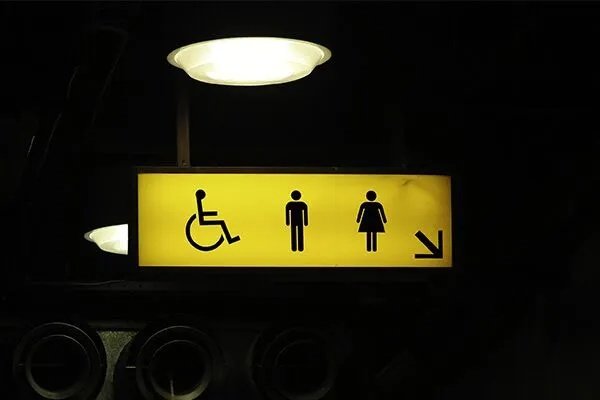
Use of Universal Symbols and Icons
People process visual symbols faster than text.
Universal icons improve navigation by providing immediate recognition regardless of language background or reading ability.
Common examples include:
- Restrooms
- Elevators
- Parking
- Information desks
- Emergency exits
- Wheelchair accessibility
Combining text with recognizable symbols improves communication and enhances user experience.
This feature is especially valuable in facilities that welcome diverse visitors from different regions and countries.
High Visibility and Contrast
Visibility is a critical factor in effective sign design.
Signs should stand out from their surroundings without appearing distracting.
Important visibility factors include:
- Strong color contrast
- Adequate lighting
- Reflective materials
- Proper sign size
- Strategic positioning
For example, dark text on a light background generally provides excellent readability.
Facilities with dim lighting may benefit from illuminated signage to ensure visibility during all operating hours.
Color-Coded Navigation Systems
Color coding can dramatically improve navigation efficiency.
Large facilities often use colors to identify:
- Different departments
- Building wings
- Parking zones
- Floor levels
- Service areas
For example:
- Blue for administration
- Green for patient services
- Red for emergency areas
- Yellow for visitor services
Visitors can follow colors throughout a facility without constantly reading detailed instructions.
Many Custom Wayfinding Signs Indianapolis projects incorporate color-coded systems to simplify navigation in complex environments.
ADA Compliance and Accessibility
Accessibility should be a priority for every wayfinding program.
The Americans with Disabilities Act establishes standards that help ensure facilities remain accessible to all users.
ADA-compliant wayfinding features may include:
- Braille text
- Raised lettering
- Proper mounting heights
- Accessible pathways
- High-contrast designs
Accessible signage demonstrates inclusivity while helping facilities comply with legal requirements.
Effective navigation should serve every visitor regardless of physical ability.
Durable Materials for Long-Term Performance
Large facilities require signage that can withstand daily use and environmental conditions.
Durable materials improve longevity and reduce maintenance costs.
Popular materials include:
- Aluminum
- Acrylic
- PVC
- High-pressure laminate
- Stainless steel
- Architectural-grade composites
Exterior wayfinding signs should also resist:
- UV exposure
- Moisture
- Temperature changes
- Wind
- Dirt accumulation
Investing in quality materials ensures the signage system remains professional and functional for years.
Digital Integration and Smart Navigation
Modern facilities increasingly integrate technology into their navigation systems.
Digital wayfinding solutions may include:
- Interactive kiosks
- Touchscreen directories
- QR codes
- Mobile navigation tools
- Digital displays
These technologies provide real-time information and enhance visitor convenience.
Corporate campuses, hospitals, convention centers, and educational institutions throughout Indianapolis are increasingly adopting digital wayfinding features to improve navigation.
Effective Exterior Wayfinding
Navigation begins before visitors enter a building.
Exterior wayfinding signs help guests locate:
- Parking lots
- Building entrances
- Loading zones
- Visitor centers
- Specific departments
Effective exterior signage reduces arrival stress and creates positive first impressions.
Businesses located throughout Indianapolis, Carmel, Fishers, Greenwood, Plainfield, Noblesville, Avon, and Brownsburg can benefit significantly from professionally designed outdoor wayfinding systems.
Branding Integration
Wayfinding signs can strengthen brand identity while serving a functional purpose.
Branded signage may incorporate:
- Company colors
- Logos
- Brand typography
- Architectural themes
- Corporate messaging
When navigation systems align with overall branding, visitors experience a more cohesive environment.
This consistency helps reinforce professionalism and organizational credibility.
A skilled Sign Company in Indianapolis can balance functionality and branding to create signage systems that support both navigation and marketing goals.
Supporting Employee Productivity
Wayfinding signs are not only beneficial for visitors.
Employees also rely on clear navigation systems to move efficiently throughout large facilities.
Benefits include:
- Faster movement between departments
- Reduced interruptions
- Fewer requests for directions
- Improved workflow
- Enhanced operational efficiency
Organizations often discover that effective wayfinding contributes directly to productivity improvements.
Improving Safety and Emergency Response
Safety is one of the most important benefits of professional wayfinding systems.
In emergency situations, people must quickly locate:
- Exits
- Stairwells
- Emergency equipment
- Assembly points
- Shelter locations
Clearly marked routes improve emergency preparedness and support faster evacuations.
Facilities that prioritize safety-focused wayfinding create a more secure environment for employees and visitors alike.
Scalability for Future Growth
Many facilities evolve over time.
Departments relocate, buildings expand, and services change.
Effective wayfinding systems are designed with scalability in mind.
Flexible signage programs allow organizations to:
- Update information easily
- Add new departments
- Expand campuses
- Rebrand efficiently
Scalable systems help businesses avoid costly redesigns as their facilities grow.
The Importance of Professional Planning
Successful wayfinding systems require more than attractive sign designs.
Professional planning typically includes:
- Site evaluation
- Traffic flow analysis
- Visitor behavior assessment
- Sign location mapping
- Design development
- Installation strategy
This comprehensive approach ensures that every sign serves a specific purpose within the overall navigation system.
Companies such as Circle City Custom Signs, Inc. understand the importance of combining design expertise with strategic planning to create highly effective wayfinding solutions.
Why Indianapolis Businesses Invest in Custom Wayfinding Signs
Indianapolis continues to experience growth across industries including healthcare, education, manufacturing, logistics, and professional services.
As facilities become larger and more complex, navigation systems become increasingly important.
Organizations invest in Custom Wayfinding Signs Indianapolis solutions because they help:
- Improve visitor experiences
- Enhance operational efficiency
- Strengthen branding
- Increase accessibility
- Support safety initiatives
- Reduce confusion
- Create professional environments
Businesses throughout Indianapolis and neighboring communities recognize that effective wayfinding signage is an investment in both customer satisfaction and organizational success.
Circle City Custom Signs, Inc. helps organizations develop customized signage solutions that support these goals while enhancing overall facility functionality.
Conclusion
Effective Wayfinding Signs are essential for large facilities seeking to improve navigation, accessibility, safety, and visitor satisfaction. The most successful systems combine clear typography, strategic placement, consistent design, high visibility, durable materials, accessibility features, and branding integration.
For organizations across Indianapolis, Carmel, Fishers, Greenwood, Avon, Plainfield, Brownsburg, and Noblesville, professionally designed Custom Wayfinding Signs Indianapolis solutions help transform complex facilities into user-friendly environments.
Partnering with an experienced Sign Company in Indianapolis ensures that every sign contributes to a comprehensive navigation strategy that supports visitors, employees, and business objectives alike.
Frequently Asked Questions
1. What are wayfinding signs?
Wayfinding signs are navigation tools that help people move through a facility by providing directions, identifying locations, and guiding visitors to their destinations.
2. Why are custom wayfinding signs important for large facilities?
Custom wayfinding signs improve navigation, reduce confusion, enhance safety, and create a better visitor experience in complex environments.
3. What industries benefit most from wayfinding signage?
Healthcare facilities, universities, corporate campuses, government buildings, shopping centers, manufacturing facilities, and transportation hubs all benefit significantly from effective wayfinding systems.
4. How can wayfinding signs improve customer satisfaction?
Visitors can find destinations more quickly and easily, reducing frustration and creating a more positive overall experience.
5. Why should businesses work with a professional sign company?
A professional sign company can develop a comprehensive navigation strategy, ensure consistency, maintain compliance standards, and create signage that aligns with branding goals.
