
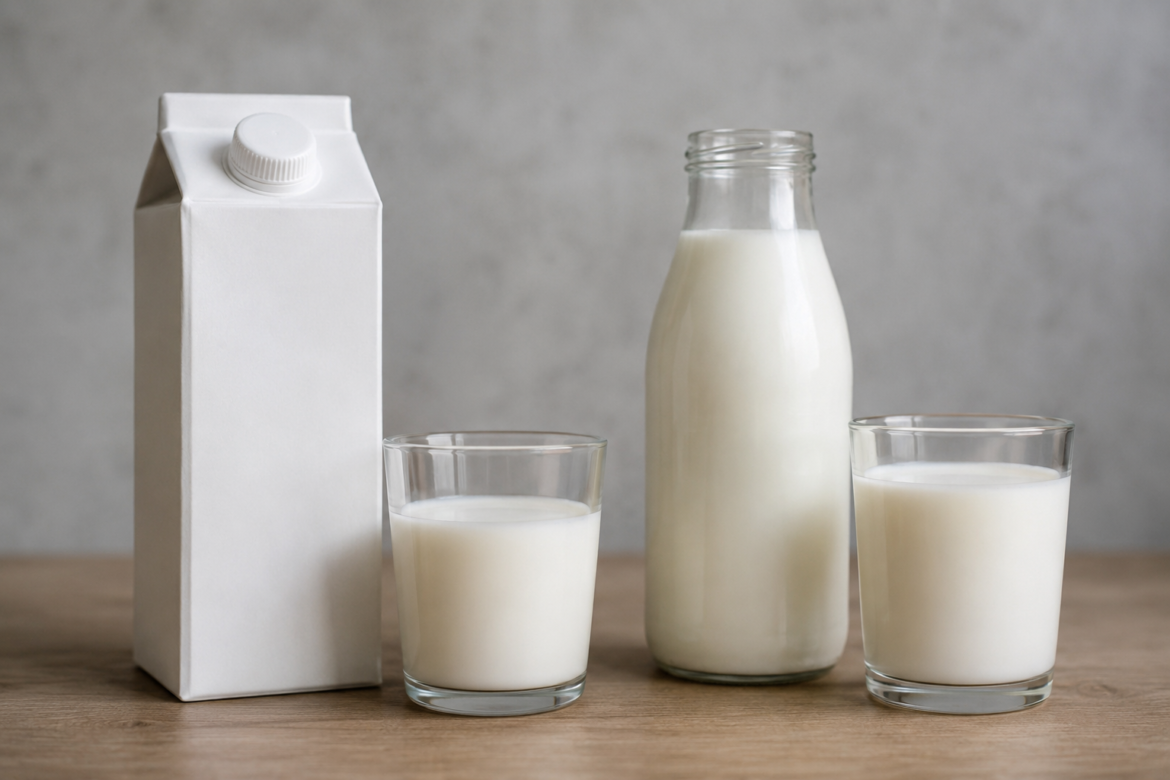
Understanding the Milk Debate in Modern Households
Milk is a daily essential in most households, especially in countries like Pakistan where it plays a central role in nutrition. However, the choice between UHT milk and Fresh Milk has become increasingly complex. Consumers are no longer just thinking about taste—they are considering safety, shelf life, nutritional value, and convenience. This shift has created a debate that does not have a simple, one-size-fits-all answer.
For many families, Fresh Milk represents tradition and natural nourishment. It is often associated with farm-to-table freshness and minimal processing. At the same time, modern lifestyles demand convenience and reliability, which is where UHT milk enters the conversation. Brands like Olper’s have helped bridge this gap by offering high-quality milk options that cater to evolving consumer needs.
What Defines Fresh Milk in Today’s Market
When people talk about Fresh Milk, they usually refer to milk that has undergone minimal processing and is consumed within a short period after milking. It is often perceived as more natural and closer to its original state. This perception has made Fresh Milk a preferred choice for many households that value traditional dietary habits.
However, the reality is more nuanced. While Fresh Milk may offer a natural taste, it is also highly perishable and requires careful handling. Without proper refrigeration and hygiene, it can quickly become unsafe for consumption. This makes quality assurance a critical factor when choosing milk for your family.
Reliable brands such as Olpers address these concerns by ensuring strict quality control, even when delivering products that maintain the essence of freshness.
The Science Behind UHT Milk
Ultra-High Temperature (UHT) milk is processed by heating milk at a very high temperature for a few seconds to eliminate harmful bacteria. This process significantly extends the shelf life of milk without the need for refrigeration until opened. For busy households, this convenience is a major advantage.
Despite being processed, UHT milk retains most of its nutritional value. The difference between UHT and Fresh Milk in terms of nutrients is minimal, although there may be slight variations in taste and texture. Many consumers are surprised to learn that UHT milk can be just as beneficial as Fresh Milk when it comes to daily nutrition.
Companies like Olpers have perfected the UHT process to ensure that their products remain safe, nutritious, and consistent in quality.
Taste and Texture: A Matter of Preference
One of the most debated aspects of milk selection is taste. Many people believe that Fresh Milk has a richer and more natural flavor compared to UHT milk. This preference often comes from familiarity and cultural habits rather than significant differences in quality.
At the same time, UHT milk offers a consistent taste that does not vary from batch to batch. While Fresh Milk can sometimes differ depending on the source and handling, UHT milk provides reliability in flavor. This consistency is particularly important for families who use milk in tea, coffee, and cooking.
Brands like Olpers ensure that both taste and quality meet consumer expectations, making it easier to choose based on personal preference rather than compromise.
Safety and Hygiene Considerations
When it comes to family health, safety is a top priority. Fresh Milk, if not properly handled, can carry bacteria that pose health risks. Contamination during transportation or storage is a common concern, especially in regions where cold chain systems are not consistently maintained.
UHT milk, on the other hand, undergoes a sterilization process that eliminates harmful microorganisms. This makes it a safer option in many cases, particularly for children and elderly family members. While Fresh Milk can be safe when sourced from reliable suppliers, it requires more vigilance from consumers.
Trusted brands like Olpers prioritize hygiene at every stage of production, ensuring that their milk products meet high safety standards.
Shelf Life and Convenience in Daily Life
Modern lifestyles often demand flexibility and convenience. Fresh Milk typically has a short shelf life and must be consumed quickly. This can be challenging for families with busy schedules or limited access to daily supplies.
UHT milk offers a practical solution by providing a longer shelf life without compromising on quality. While Fresh Milk may require frequent purchasing and careful storage, UHT milk allows households to plan ahead and reduce waste.
With products from Olpers, consumers can enjoy the convenience of long-lasting milk without sacrificing nutritional value or taste.
Nutritional Value: Separating Myths from Facts
There is a common belief that Fresh Milk is significantly more nutritious than UHT milk. However, scientific studies suggest that the difference in nutritional content is minimal. Both types of milk provide essential nutrients such as calcium, protein, and vitamins.
The key factor is not just whether the milk is fresh or processed, but how it is handled and stored. Fresh Milk can lose its nutritional value if not consumed promptly, while UHT milk maintains its nutrients over a longer period.
Brands like Olpers ensure that their products deliver consistent nutrition, making it easier for families to meet their dietary needs.
Environmental and Practical Considerations
Another aspect to consider is the environmental and practical impact of your choice. Fresh Milk often involves shorter supply chains but may lead to more frequent purchases and potential wastage. On the other hand, UHT milk’s longer shelf life can reduce food waste and support better inventory management at home.
While Fresh Milk aligns with traditional consumption patterns, UHT milk fits well into modern lifestyles that prioritize efficiency. The decision ultimately depends on individual preferences and daily routines.
Companies like Olpers continue to innovate in packaging and production to minimize environmental impact while maintaining high standards of quality.
Finding the Right Balance for Your Family
Choosing between UHT and Fresh Milk is not about determining which one is universally better. Instead, it is about understanding your family’s needs and lifestyle. Some households may prefer the taste and familiarity of Fresh Milk, while others may prioritize the convenience and safety of UHT milk.
In many cases, a balanced approach works best. Families can use Fresh Milk when immediate consumption is possible and rely on UHT milk for longer storage and emergencies. This flexibility allows consumers to enjoy the benefits of both options without compromise.
With trusted brands like Olpers, making this balance becomes easier, as they offer reliable products that cater to diverse needs.
Conclusion: Why the Answer Isn’t Simple
The debate between UHT and Fresh Milk reflects the broader challenges of modern living, where tradition meets convenience — much like practical kitchen solutions such as How to Make Cream from Milk Powder Easily for households seeking flexibility. Both options have their advantages and limitations, and the right choice depends on lifestyle, storage, and personal preferences.
Understanding the realities behind Fresh Milk and UHT milk helps consumers make informed decisions that balance health, safety, and practicality. Rather than treating it as a strict competition, it is better viewed as adapting dairy choices to changing daily needs.
With dependable options from Olpers, families can confidently choose what best suits their routine while ensuring consistent nutrition, safety, and satisfaction at home.
