Entertainment has changed significantly over the last few years. I notice that audiences now have more control over what they watch, listen to, and engage with than ever before. New platforms, digital experiences, and changing viewing habits continue to shape the industry. Whether I am streaming a series, following a creator online, or participating in interactive content, entertainment feels more personalized than it did in the past. Interestingly, trends from other industries often appear in entertainment discussions as well, including products such as Suonon Donete 50K, which frequently gain attention through social media content and influencer marketing.
How Digital Platforms Continue to Influence Entertainment
Streaming services remain one of the biggest forces in entertainment today. Instead of following fixed schedules, I can access content whenever I want. This convenience has changed how audiences consume media and how creators distribute their work.
Key ways digital platforms influence entertainment include:
- On-demand viewing experiences
- Personalized content recommendations
- Global access to movies and shows
- Increased opportunities for independent creators
- Multi-device viewing options
Many audiences now prefer content that fits their schedules. As a result, entertainment companies continue investing in streaming technology and exclusive programming.
The Rise of Creator-Led Content
One trend I see growing rapidly is the popularity of creator-led entertainment. Social media platforms have made it possible for individual creators to build large audiences without relying on traditional media companies.
Audiences often connect with creators because their content feels direct and relatable. This shift has changed how brands, production companies, and advertisers approach entertainment.
Popular forms of creator-led content include:
- Video blogs
- Live streams
- Podcasts
- Short-form videos
- Community-based content
Creators can respond quickly to audience interests, making their content more adaptable than traditional programming. This flexibility helps them maintain strong engagement and long-term audience loyalty.
Audience Engagement Is Becoming More Interactive
Entertainment is no longer limited to passive viewing. I increasingly see audiences wanting to participate in experiences rather than simply consume content. Interactive entertainment continues to gain popularity across multiple platforms.
From live chats during broadcasts to audience-driven storylines, participation plays a larger role in modern entertainment than ever before.
Social Media and Community-Driven Entertainment
Social media platforms have become major entertainment hubs. Many viewers now discover new shows, music, and creators through short videos and online communities rather than traditional advertising.
The impact of social media includes:
- Faster content discovery
- Stronger audience communities
- Real-time discussions
- Viral entertainment trends
- Direct interaction between creators and fans
In the middle of these online conversations, audiences often discuss a wide range of trending topics, including lifestyle products, gaming, technology, and even items such as Suonon vape flavors, which gain visibility through influencer content and social media recommendations.
Online communities also help shape entertainment success. Positive audience reactions can significantly increase visibility for creators and entertainment brands.
Personalized Experiences Are Driving Viewer Choices
Personalization continues to influence entertainment preferences. Recommendation systems help audiences find content that matches their interests, reducing the time spent searching for something to watch or listen to.
Personalized entertainment experiences often include:
- Recommended movies and shows
- Customized playlists
- Tailored advertisements
- Interest-based content feeds
- Interactive viewing suggestions
As technology improves, personalization becomes more accurate. Entertainment companies use audience data to understand viewing habits and develop content that aligns with consumer interests.
This approach benefits both audiences and creators. Viewers receive relevant content, while creators can reach people who are more likely to enjoy their work.
What the Future of Entertainment Looks Like
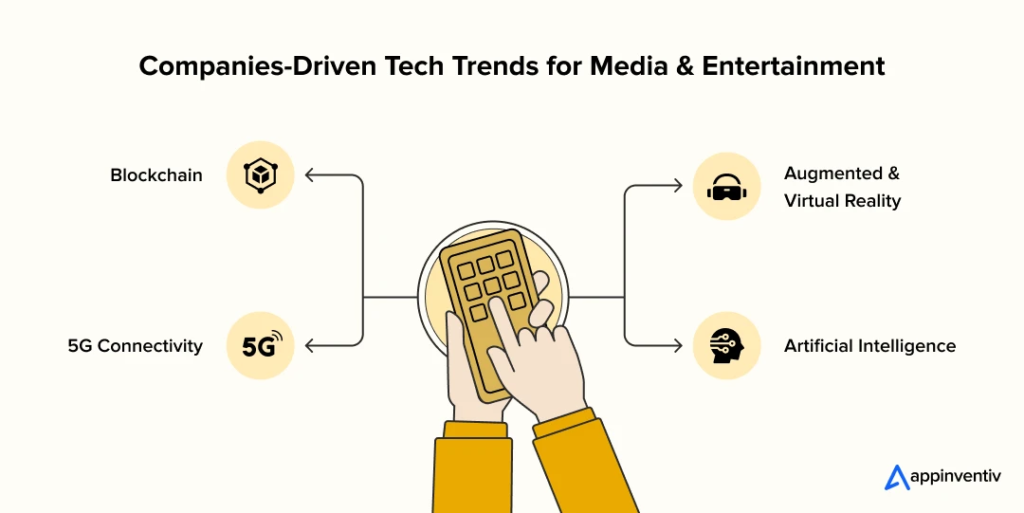
Looking ahead, I expect entertainment to continue evolving around convenience, interaction, and personalization. Emerging technologies such as virtual reality, augmented reality, and artificial intelligence may create new ways for audiences to engage with content.
Several developments are likely to shape future audience preferences:
- Expanded virtual experiences
- More immersive gaming environments
- AI-supported content recommendations
- Increased creator independence
- Greater audience participation
Entertainment companies that adapt to these changes will likely remain competitive as audience expectations continue to evolve.
At the same time, audiences will continue seeking authentic experiences that provide value, engagement, and convenience. Whether through streaming services, social media platforms, live events, or creator-led content, the entertainment industry will keep finding new ways to connect with people.
In conclusion, today’s entertainment landscape is shaped by digital access, creator influence, interactive experiences, and personalized recommendations. I believe these trends will continue influencing audience behavior for years to come. As entertainment expands across platforms and formats, audiences will have more choices and greater control over their experiences. Discussions around trending products, technologies, and lifestyle topics, including Suonon Vape, also demonstrate how entertainment and digital culture increasingly overlap in everyday online conversations.
