
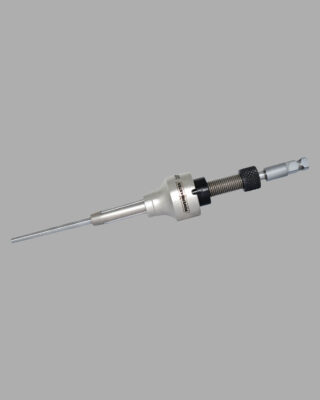
In many factories and processing plants, pipe connections go through constant pressure, heat, and vibration. After some time, flange surfaces stop sitting evenly, which creates leakage problems during operation. Small surface damage may look serious in the beginning, but it can slowly affect the entire pipeline system. This is why many maintenance teams now rely on the flange facing machines during repair work.
Instead of replacing completely flange sections, workers can repair the damaged surface directly at the site. This saves both time and effort. Industries that regularly handle piping systems, boilers, and heat exchangers often use these machines to keep operations running without long shutdowns.
Here are some practical benefits of using flange facing machines in industrial work.
1. They Help Prevent Leakage Problems
A damaged flange surface makes proper sealing difficult. Even a small uneven area can allow gas, steam, or liquid to escape from the joint.
Flange machines help smooth the surface properly so the gasket fits correctly. This improves sealing and reduces the chances of leakage after installation. Workers also spend less time fixing connection problems later.
In industries where safety matters every day, proper flange finishing becomes an important part of maintenance work.
2. Maintenance Work Becomes Faster
Plant shutdowns already consume a lot of time. Delays during flange repair can extend maintenance schedules even further.
These machines help workers repair flange surfaces on-site without removing large pipe sections. The work becomes quicker and easier to manage. Maintenance teams can complete repair jobs within shorter time periods and restart operations sooner.
Many industries prefer this method because it reduces unnecessary downtime during scheduled maintenance.
3. They Improve Connection Quality
Poor flange surfaces often create flange issues during assembly. Workers may struggle to align pipes correctly, especially in older systems.
Flange facing machines help create a flat and even surface, which improves alignment during installation. Better alignment also reduces pressure on bolts and gaskets.
This becomes useful in systems where workers also use a tube expander during heat exchanger maintenance. Smooth flange connections help the overall system work more efficiently.
4. They Help Reduce Repair Costs
Complete flange replacement can become expensive, especially in large industrial systems. In many cases, only the surface needs correction.
Using flange facing machines allows industries to repair existing flanges instead of replacing them completely. This lowers material costs and reduces extra labour. Proper resurfacing also helps avoid repeated repairs caused by poor sealing.
Regular maintenance usually costs much less than emergency repair work after a system failure.
5. Workers Get More Consistent Results
Manual repair methods do not always provide accurate finishing. Uneven surfaces may still remain after repair work.
These machines help workers achieve cleaner and more consistent flange surfaces. The cutting process stays controlled, which improves the overall quality of maintenance work. Better finishing also helps reduce future fitting problems.
Workshops that handle pipe systems regularly often depend on these machines to maintain steady work quality across different projects.
Conclusion
Industrial maintenance becomes easier when flange surfaces remain smooth and properly aligned. Flange lacing machines help reduce leakage problems, improve fitting quality, and shorten repair time during plant maintenance work.
Tube Expenders provides reliable solutions for industries that handle pipe systems, maintenance work, and tube expander applications. Their tools help workers manage repair tasks more smoothly while maintaining better equipment performance over time.
