
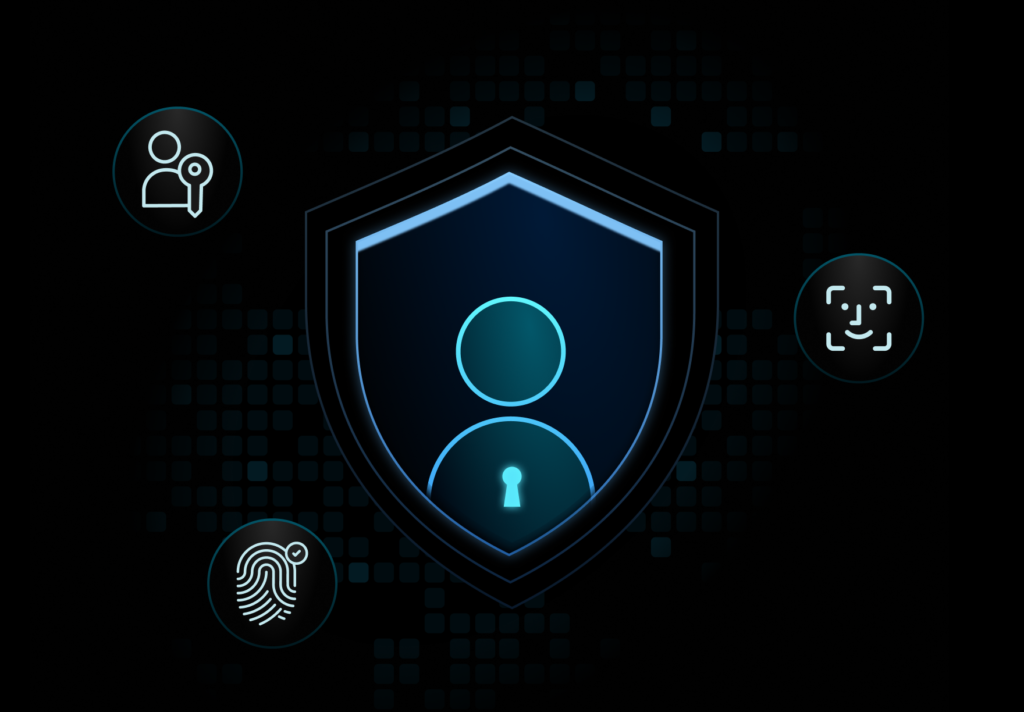
In 2026, customer identity is no longer just about logging users in. It’s about securing every interaction while keeping the experience completely frictionless.
That might sound simple, but trust me, the balance is harder than it sounds!
On one side, you have rising threats like account takeovers, credential stuffing, and identity fraud. On the other, users expect instant, passwordless access across devices with zero interruptions. Add to it regulatory pressure and the need for real-time personalization. That’s when traditional identity systems start to fall apart!
And this is exactly where Customer Identity and Access Management (CIAM) solutions come in.
Modern CIAM platforms are designed to handle millions – even billions – of identities, while delivering seamless authentication, strong security, and scalable infrastructure. Whether you’re building a consumer app, an e-commerce platform, or a global SaaS product, choosing the right CIAM provider can directly impact user acquisition, retention, and trust.
Top 12 CIAM Providers in 2026
Here’s a curated list of the leading CIAM platforms in 2026, based on their capabilities across security, user experience, scalability, and developer flexibility.
1. LoginRadius
Best for: Businesses looking for a balance between enterprise-grade security, scalability, and fast implementation
Overview:
LoginRadius is a modern CIAM platform built to deliver enterprise-grade identity capabilities in the easiest way possible. It combines strong authentication, scalability, and compliance features with a streamlined developer experience, making it easier for teams to deploy and manage identity at scale.
Unlike many traditional CIAM platforms that require significant setup time and ongoing maintenance, LoginRadius focuses on reducing complexity. On the other hand, it still supports advanced use cases. This makes it particularly well-suited for organizations that want robust identity infrastructure without slowing down development cycles.
Key Features:
- Passwordless authentication, MFA, and passkey support
- Pre-built and customizable authentication workflows
- High scalability with support for millions of users
- Consent and preference management for compliance
- Extensive APIs and SDKs for easy integration
Pros:
- Faster time to implementation compared to many enterprise solutions
- Strong balance between customization and ease of use
- Built-in compliance and security features
Limitations:
- May require customization for highly complex, niche enterprise use cases
2. Auth0 (by Okta)
Best for: Developer-first teams looking for extensive customization and integrations
Overview:
Auth0, now part of Okta, is known for its developer-friendly approach and extensive ecosystem. It offers a highly flexible identity platform with support for a wide range of authentication and authorization use cases.
Key Features:
- Extensive authentication and authorization capabilities
- Strong developer tooling and APIs
- Large integration marketplace
- Support for social login and enterprise federation
- Customizable workflows and rules engine
Pros:
- Highly flexible and customizable
- Strong developer ecosystem and community
- Wide range of integrations
Limitations:
- Can become expensive at scale
- Implementation and maintenance can get complex over time
3. ForgeRock
Best for: Large enterprises with complex identity and access management requirements
Overview:
ForgeRock is a comprehensive identity platform that caters to large-scale enterprises with advanced security and compliance needs. It offers a full suite of identity services, including CIAM, workforce IAM, and identity governance.
Key Features:
- Advanced authentication and access management
- AI-driven identity orchestration
- Strong support for compliance and governance
- Highly customizable identity workflows
- Scalable architecture for large enterprises
Pros:
- Extremely powerful and flexible platform
- Suitable for highly complex enterprise environments
- Strong security and compliance capabilities
Limitations:
- Longer implementation time
- Requires significant technical expertise to manage
4. Ping Identity
Best for: Enterprises looking for secure, scalable identity solutions with strong federation capabilities
Overview:
Ping Identity offers robust CIAM capabilities alongside workforce identity solutions. It’s particularly known for its strong support for identity federation, single sign-on (SSO), and hybrid environments.
Ping Identity is often chosen by large organizations that need to connect multiple systems, applications, and user directories while maintaining a high level of security and control.
Key Features:
- Single sign-on (SSO) and identity federation
- Multi-factor authentication and adaptive authentication
- API security and access management
- Integration with legacy and modern systems
- Scalable architecture for enterprise use cases
Pros:
- Strong federation and SSO capabilities
- Enterprise-grade security and scalability
- Works well in hybrid IT environments
Limitations:
- Can be complex to implement and manage
- User experience customization may require additional effort
5. AWS Cognito
Best for: Businesses already using AWS looking for a tightly integrated CIAM solution
Overview:
Amazon Cognito is AWS’s native identity service, designed to integrate seamlessly with the broader AWS ecosystem. It provides core CIAM capabilities like user authentication, authorization, and user management, making it a convenient choice for teams already building on AWS.
While it offers strong scalability and reliability, Cognito is often considered more developer-centric and may require additional effort to customize user experiences.
Key Features:
- User authentication and authorization
- Integration with AWS services (Lambda, API Gateway, etc.)
- Support for social and enterprise identity providers
- Scalable user directories
- Built-in security features
Pros:
- Seamless integration with AWS ecosystem
- Highly scalable and reliable
- Cost-effective for AWS-native applications
Limitations:
- Limited out-of-the-box customization for user experience
- Can require significant development effort for advanced use cases
6. Microsoft Entra External ID
Best for: Organizations within the Microsoft ecosystem seeking integrated identity solutions
Overview:
Microsoft Entra External ID (formerly Azure AD B2C) is Microsoft’s CIAM offering, designed to manage external identities with seamless integration into the Azure ecosystem. It enables businesses to build secure and scalable customer identity experiences while leveraging Microsoft’s cloud infrastructure.
It’s particularly useful for organizations already invested in Microsoft services and looking for a unified identity approach across workforce and customer identities.
Key Features:
- Secure customer authentication and access management
- Integration with Microsoft Azure services
- Customizable user journeys and workflows
- Support for social and enterprise identity providers
- Built-in compliance and security features
Pros:
- Strong integration with Microsoft ecosystem
- Scalable and enterprise-ready
- Flexible user journey customization
Limitations:
- Can be complex to configure for advanced scenarios
- Developer experience may vary depending on use case
7. Descope
Best for: Developer-first teams building authentication flows with a no/low-code approach
Overview:
Descope is a relatively new entrant in the CIAM space, focused on simplifying authentication through a no-code and low-code approach. It allows developers to build and customize authentication flows using visual workflows, reducing the need for heavy backend implementation.
Key Features:
- No-code and low-code authentication workflows
- Support for passwordless authentication and MFA
- Drag-and-drop flow builder
- APIs and SDKs for customization
- Integration with existing identity systems
Pros:
- Fast implementation with minimal coding
- Flexible and customizable authentication flows
- Strong focus on developer experience
Limitations:
- May not cover all advanced enterprise use cases
- Relatively newer platform compared to established vendors
8. Frontegg
Best for: B2B SaaS companies needing embedded authentication and user management
Overview:
Frontegg is designed specifically for B2B SaaS applications, offering embedded identity management that can be integrated directly into products. It focuses on providing out-of-the-box user management features like authentication, authorization, and tenant management.
Key Features:
- Embedded authentication and user management
- Multi-tenancy support
- Role-based access control (RBAC)
- Self-service admin portals
- APIs and SDKs for integration
Pros:
- Tailored for B2B SaaS use cases
- Quick to integrate and deploy
- Strong multi-tenant capabilities
Limitations:
- More focused on SaaS use cases than broad CIAM needs
- May require customization for complex consumer scenarios
9. FusionAuth
Best for: Developers looking for a self-hosted or flexible deployment CIAM solution
Overview:
FusionAuth is a developer-centric CIAM platform that offers both hosted and self-hosted deployment options. It provides full control over identity infrastructure, making it a popular choice for teams that want flexibility in how and where their identity system runs.
Key Features:
- Authentication and authorization capabilities
- Self-hosted and cloud deployment options
- Support for social login and MFA
- APIs and developer-friendly tools
- Customizable user management
Pros:
- Flexible deployment options (cloud or on-premise)
- Strong developer control and customization
- Transparent pricing model
Limitations:
- Requires more hands-on management
- UI and user experience may need additional effort
10. OneLogin
Best for: Organizations looking for a simple, unified identity platform across workforce and customer use cases
Overview:
OneLogin is a cloud-based identity and access management platform that offers both workforce IAM and CIAM capabilities. It focuses on delivering secure access through features like single sign-on (SSO), multi-factor authentication, and directory services.
While traditionally stronger in workforce identity, OneLogin can also be used for customer-facing applications, especially for organizations seeking a unified identity approach.
Key Features:
- Single sign-on (SSO) and multi-factor authentication
- User directory and identity lifecycle management
- Integration with cloud and on-prem applications
- Secure access policies and controls
- Pre-built connectors for popular tools
Pros:
- Easy to use and deploy
- Strong SSO and access management capabilities
- Unified identity across multiple use cases
Limitations:
- CIAM capabilities may not be as advanced as specialized platforms
- Limited flexibility for highly customized customer journeys
11. SAP Customer Data Cloud
Best for: Large enterprises focused on customer data, consent, and privacy management
Overview:
SAP Customer Data Cloud (formerly Gigya) is a CIAM solution built with a strong focus on customer data management, consent, and privacy compliance. It helps organizations collect, manage, and activate customer identity data while ensuring adherence to global regulations.
Key Features:
- Customer identity and profile management
- Consent and preference management
- Data privacy and compliance tools
- Integration with SAP ecosystem
- Customer data insights and analytics
Pros:
- Strong focus on privacy and compliance
- Robust customer data management capabilities
- Trusted by large global enterprises
Limitations:
- Can be complex and resource-intensive to implement
- Best suited for organizations already using SAP products
12. Thales / CyberArk
Best for: Organizations prioritizing advanced security and identity protection
Overview:
Thales and CyberArk are both well-known for their expertise in security and identity protection. While traditionally focused on workforce identity and privileged access management, they also offer CIAM capabilities tailored for high-security environments.
Key Features:
- Advanced authentication and access control
- Identity security and threat protection
- Risk-based authentication
- Compliance and data protection capabilities
- Integration with security ecosystems
Pros:
- Strong security-first approach
- Suitable for highly regulated industries
- Advanced threat protection capabilities
Limitations:
- Less focused on user experience compared to CIAM-first platforms
- Implementation can be complex and resource-heavy
Best CIAM Solutions in 2026 – Feature-wise Comparison
To make your evaluation easier, here’s a side-by-side comparison of the top CIAM providers based on key factors like use case, scalability, authentication capabilities, and integrations.
| Provider | Best For | Authentication Methods | Scalability | Integrations | Deployment Options |
| LoginRadius | Balanced CIAM (security + UX + speed) | MFA, Social, Passwordless, Passkeys | Very High (Millions+) | APIs, SDKs, Pre-built | Cloud |
| Auth0 (Okta) | Developer-first flexibility | MFA, Social, Passwordless | High | Extensive marketplace | Cloud |
| ForgeRock | Large enterprises, complex use cases | MFA, Adaptive Auth | Very High | Enterprise integrations | Cloud / On-prem |
| Ping Identity | Federation & hybrid environments | MFA, Adaptive Auth | High | Legacy + modern systems | Cloud / Hybrid |
| AWS Cognito | AWS-native applications | MFA, Social Login | Very High | AWS ecosystem | Cloud |
| Microsoft Entra | Microsoft ecosystem users | MFA, Social, Passwordless | Very High | Azure ecosystem | Cloud |
| Descope | No/low-code authentication | Passwordless, MFA | Medium–High | APIs, SDKs | Cloud |
| Frontegg | B2B SaaS, multi-tenant apps | MFA, SSO | High | SaaS tools, APIs | Cloud |
| FusionAuth | Self-hosted flexibility | MFA, Social Login | High | APIs, custom integrations | Cloud / On-prem |
| OneLogin | Unified IAM (workforce + customer) | MFA, SSO | High | Cloud apps | Cloud |
| SAP CDC | Data privacy & consent management | MFA, Social Login | Very High | SAP ecosystem | Cloud |
| Thales / CyberArk | Security-first, regulated industries | MFA, Risk-based Auth | High | Security ecosystems | Cloud / On-prem |
Final Thoughts
Customer identity is no longer just a backend function—it’s a critical part of your overall product experience.
The right CIAM solution can help you strike the perfect balance between security and usability, while also supporting your growth at scale. But as we’ve seen, every platform comes with its own strengths, trade-offs, and ideal use cases.
If you’re looking for a solution that combines strong security, seamless user experience, and faster time to implementation, platforms like LoginRadius offer a compelling balance – especially for businesses that want to move quickly without getting stuck in unnecessary complexity.
Ultimately, the best CIAM provider is the one that aligns with your business goals, technical requirements, and the kind of experience you want to deliver to your users.
Choose wisely – because identity isn’t just infrastructure anymore, it’s your first impression.
