
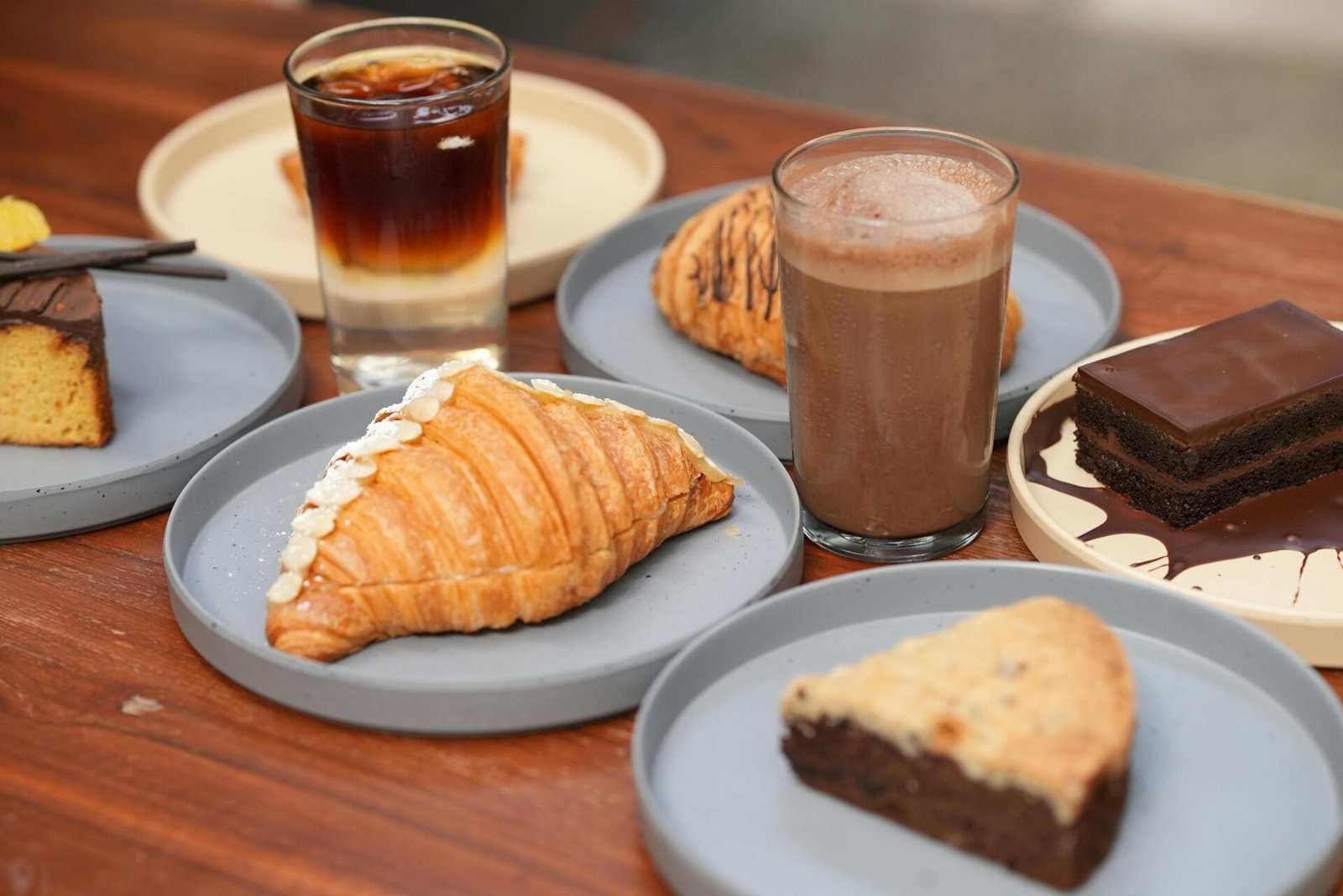
For many small coffee shop owners, crafting the perfect latte or dialing in espresso shots comes naturally. But once customers start asking, “Do you have pastries?” the pressure begins. A beautiful pastry case can increase ticket size, encourage repeat visits, and turn your café into a true destination. The challenge is figuring out how to make it happen when baking isn’t your specialty.
Should you learn to bake in-house? Partner with local bakers? Hire a professional baker? Or explore a shared kitchen arrangement? Each option comes with different costs, labor requirements, and operational realities.
Before you start stocking up on baking supplies, it’s important to understand which model makes the most sense for your coffee shop’s goals, budget, and available space.
Why Pastries Matter for Coffee Shops
Pastries and baked goods are more than just add-ons. They can dramatically improve your café’s profitability. A customer who might spend $5 on coffee alone could easily spend $10–15 when pairing a drink with a croissant, muffin, or cookie.
Beyond revenue, baked goods also:
- Encourage customers to stay longer
- Create stronger morning traffic
- Improve the visual appeal of your café
- Help establish your shop as a neighborhood gathering place
The good news is that you don’t need to be a trained pastry chef to offer quality baked goods. You simply need the right strategy.
Option 1: Learning to Bake Your Own Pastries (In-House)
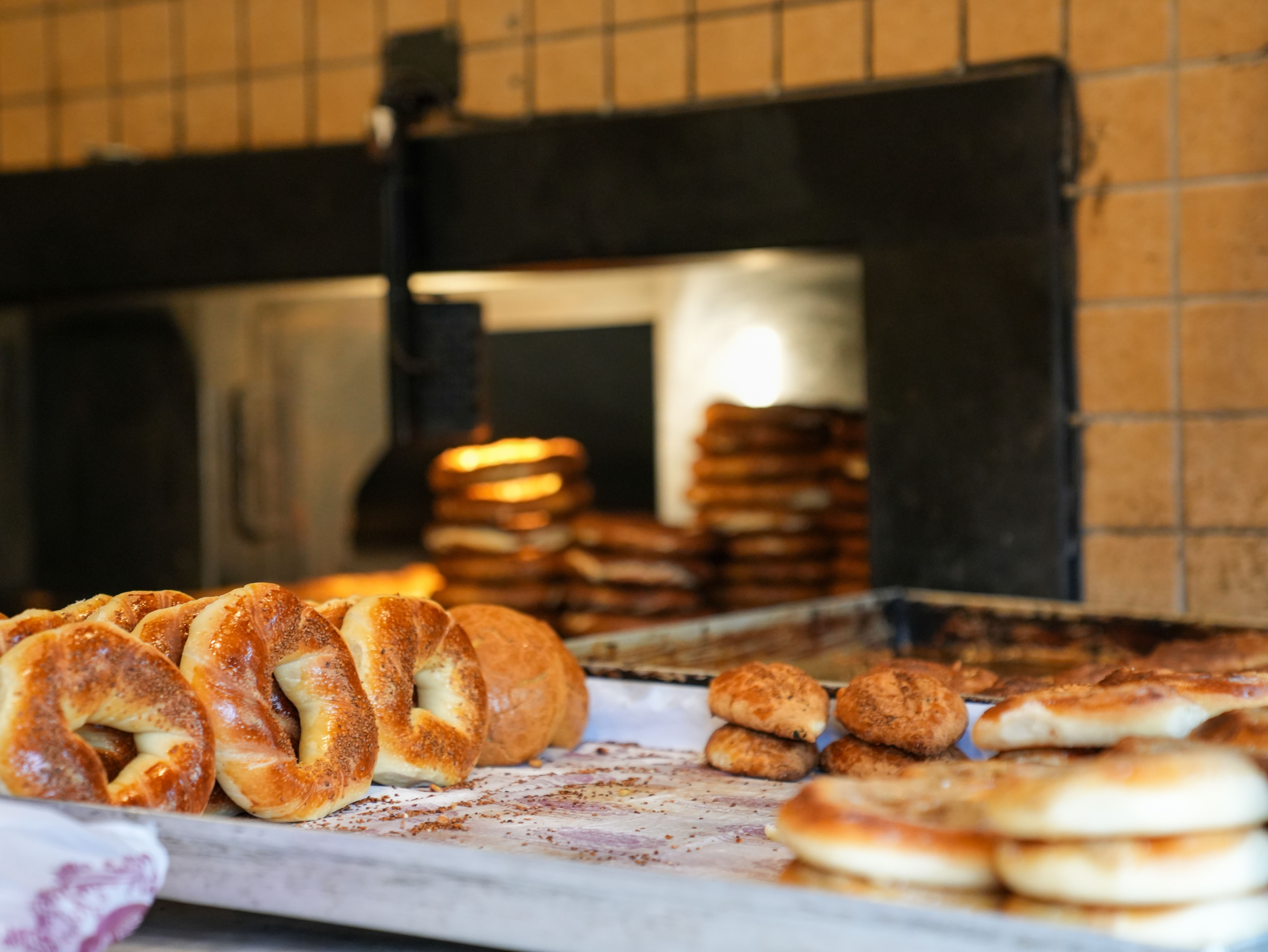
Many café owners start here because it feels like the most affordable option. You buy the baking supplies, experiment with recipes, and produce pastries yourself or with your existing staff.
Pros
- Lower upfront labor costs
You avoid hiring a specialist immediately. - Complete control over quality and branding
You can create signature recipes unique to your café. - Higher profit margins
Making products in-house can reduce per-item costs once systems are established. - Creative flexibility
You can rotate seasonal flavors or experiment with trends quickly.
Cons
- Steep learning curve
Baking is precise and time-consuming. Mistakes can become expensive fast. - Time management challenges
Running a coffee shop already requires inventory management, staffing, and customer service. Adding baking duties can stretch owners thin. - Equipment investment
Commercial ovens, mixers, refrigeration, and storage for baking supplies require capital and kitchen space. - Consistency issues
Without experience, product quality may vary day to day.
Best For
- Small cafés with limited startup budgets
- Owners interested in learning baking skills
- Shops wanting highly customized menu items
If you choose this route, start simple. Cookies, banana bread, muffins, and scones are easier to master than laminated pastries like croissants.
Option 2: Partnering with Local Bakers (Outsourcing)
Outsourcing is one of the most common solutions for coffee shops that want quality pastries without building a bakery operation from scratch.
In this model, a local bakery or home-based baker supplies your café with fresh baked goods daily or several times per week.
Pros
- Minimal operational stress
You can focus on drinks and customer experience instead of managing baking production. - No major equipment investment
You avoid purchasing ovens and specialized baking supplies. - Professional-quality products
Experienced bakers typically provide more polished and consistent pastries. - Supports local businesses
Customers often appreciate collaborations between local brands.
Cons
- Lower profit margins
You’re purchasing finished products at wholesale pricing. - Limited menu control
You may not be able to customize recipes or availability. - Supply reliability concerns
If your baker experiences staffing or production issues, your pastry case may sit empty. - Brand inconsistency risks
The pastries may not fully match your café’s style or quality standards.
Best For
- Coffee shops with limited kitchen space
- Owners focused primarily on beverages
- Cafés testing pastry demand before investing heavily
Strong communication is critical when outsourcing. Establish clear expectations around delivery schedules, freshness standards, and product consistency.
Option 3: Using Frozen or Par-Baked Pastries
Many coffee shops today use frozen or par-baked pastries supplied by commercial bakeries. These products arrive frozen or partially baked, then are finished in-store each morning.
This approach gives cafés the aroma and appeal of fresh baking without requiring advanced pastry skills or a full bakery kitchen.
Pros
- Fresh-baked aroma and presentation
The smell of pastries baking can significantly improve customer perception and increase impulse purchases. - Simplified operations
Staff can bake products with minimal training compared to full scratch baking. - More consistent quality
Commercial suppliers typically provide standardized products. - Lower labor requirements
You avoid hiring a full-time baker while still serving warm pastries. - Reduced waste
You can bake smaller batches throughout the day as needed.
Cons
- Less uniqueness
Other cafés may use the same suppliers and products. - Equipment still required
You’ll need ovens, freezer storage, and some baking supplies. - Ongoing supplier dependence
Inventory shortages or shipping delays can affect availability. - Margins may vary
Costs are usually higher than fully scratch-made pastries.
Best For
- Coffee shops wanting a “fresh bakery” atmosphere
- Owners without professional baking experience
- Cafés with limited kitchen labor
- Businesses looking for scalable operations
Option 4: Hiring a Dedicated In-House Baker
Once pastry sales become a major revenue stream, many coffee shops consider hiring a professional baker to manage production internally.
This option creates the most control and growth potential, but it also comes with the highest labor commitment.
Pros
- Professional expertise
A skilled baker can elevate your menu immediately. - Greater consistency
Customers receive the same quality experience every visit. - Unique menu development
An in-house baker can create exclusive items tailored to your brand. - Potential for expansion
You may eventually supply wholesale pastries to other cafés.
Cons
- Higher payroll costs
Experienced bakers require competitive wages and benefits. - Operational complexity
You’ll need systems for scheduling, ingredient purchasing, and kitchen management. - Additional equipment and storage needs
You’ll likely invest heavily in baking supplies and commercial kitchen infrastructure. - Hiring challenges
Finding reliable bakery talent can be difficult, especially for smaller operations.
Best For
- Established cafés with strong daily traffic
- Shops generating significant pastry sales already
- Owners planning long-term expansion
This route works best when pastry demand is proven rather than speculative.
Option 5: The Kitchen Share or Pop-Up Partnership
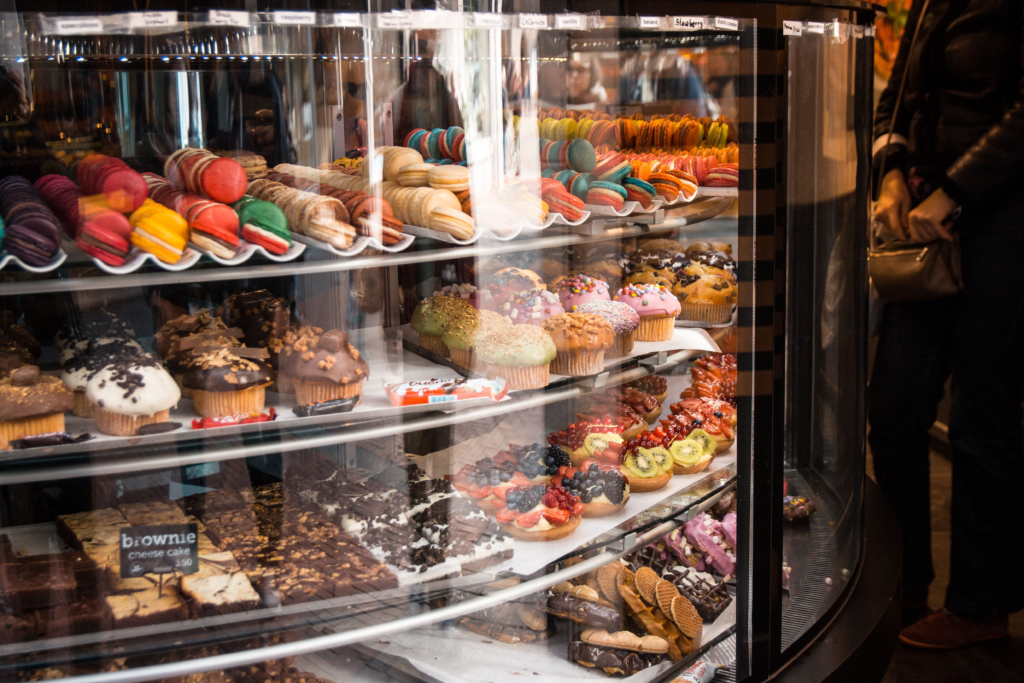
A growing trend among independent cafés is partnering with bakers through shared kitchen arrangements or pop-up collaborations.
Instead of fully outsourcing or hiring staff, you allow a baker to operate partially within your space or use your kitchen during off-hours.
Pros
- Lower financial risk
You avoid full-time payroll while still offering fresh pastries. - Fresh, artisan appeal
Customers enjoy seeing local bakers featured in your café. - Flexible collaboration opportunities
You can test concepts without long-term commitments. - Shared operational costs
Equipment and baking supplies may be jointly managed.
Cons
- Scheduling coordination
Shared kitchen usage can become complicated. - Brand alignment challenges
Not every baker’s style fits your café identity. - Limited control
You may depend on another operator’s availability and workflow. - Potential legal considerations
Shared kitchens may require clear agreements regarding permits, insurance, and food safety responsibilities.
Best For
- Community-focused cafés
- Shops with underutilized kitchen space
- Owners interested in testing pastry programs creatively
This setup can create a highly local, collaborative atmosphere that customers love.
Which Option Is Right for Your Coffee Shop?
There’s no universal answer. The best choice depends on your:
- Budget
- Available kitchen space
- Staff capacity
- Long-term goals
- Interest in baking operations
If you’re just beginning, outsourcing or pop-up partnerships often provide the safest starting point. They allow you to test customer demand before investing heavily in equipment or baking supplies.
As your café grows, bringing baking in-house — either personally or through a dedicated baker — may offer stronger margins and brand differentiation.
The key is remembering that pastries should support your coffee program, not overwhelm it. A thoughtfully curated pastry case can enhance your café experience, increase revenue, and strengthen customer loyalty without forcing you to become a master baker overnight.
Author Bio: Carmina Natividad is a resident writer for Mauri, a trusted name in baking supplies and ingredients across Australia and New Zealand. She enjoys sharing practical insights and inspiration to help bakers, from local artisans to large-scale producers, create consistently high-quality, delicious baked goods.
