
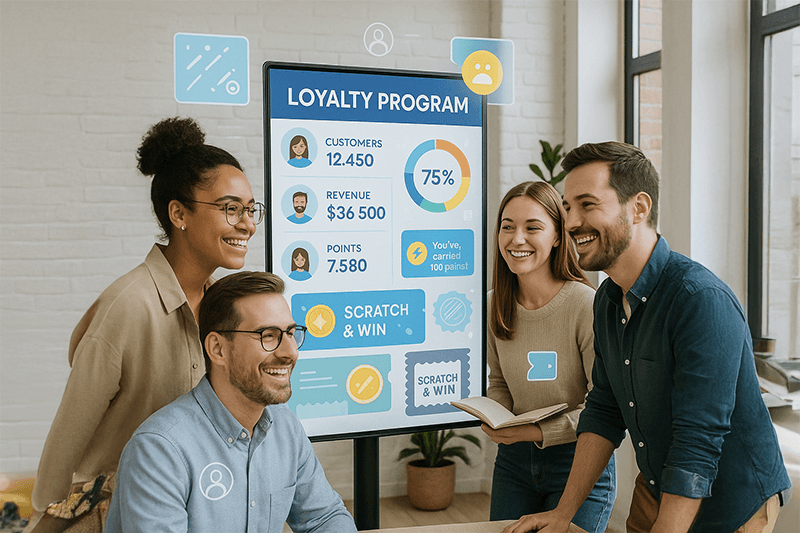
In today’s highly competitive digital marketplace, businesses can no longer rely solely on discounts or generic marketing campaigns to retain customers. Modern consumers expect brands to understand their needs, preferences, and behaviors. This shift has made personalization one of the most powerful customer loyalty strategies for long-term business success.
From personalized product recommendations to customized email campaigns, brands that deliver tailored experiences are more likely to build trust, improve engagement, and encourage repeat purchases. In fact, according to research by McKinsey & Company, companies that excel at personalization can generate up to 40% more revenue from those activities.
Why Personalization Matters in Customer Loyalty
Personalization creates emotional connections between brands and customers. When customers feel recognized and valued, they are more likely to remain loyal to a business.
Modern customer loyalty strategies focus on delivering relevant experiences at every touchpoint, including:
- Personalized emails and offers
- Product recommendations based on browsing history
- Loyalty rewards tailored to customer behavior
- Customized customer support interactions
- Location-based promotions
Consumers are overwhelmed with choices, making customer experience a major differentiator. A personalized customer service experience helps brands stand out while improving satisfaction and retention.
How Personalization Improves Customer Retention
Builds Stronger Emotional Connections
Customers appreciate brands that understand their preferences. Personalized communication makes interactions feel more human rather than transactional.
For example, Amazon uses advanced recommendation algorithms to suggest products based on user activity. This approach keeps customers engaged and increases repeat purchases.
Enhances the Customer Service Experience
A positive customer service experience is one of the key drivers of loyalty. Businesses that personalize customer support can resolve issues faster and improve satisfaction.
Examples include:
- Addressing customers by name
- Accessing purchase history instantly
- Offering proactive support recommendations
- Providing tailored solutions
Customers are more likely to stay loyal when they feel heard and understood.
Increases Customer Engagement
Personalized marketing campaigns often achieve significantly higher engagement rates than generic messaging. Businesses can use customer data to create highly targeted content that matches user interests.
Effective personalization channels include:
| Channel | Personalization Example |
|---|---|
| Email Marketing | Customized product suggestions |
| Mobile Apps | Personalized notifications |
| E-commerce Sites | Dynamic homepage recommendations |
| Loyalty Programs | Individual reward preferences |
Key Personalization Strategies for Modern Businesses
Use Data Responsibly
Successful personalization begins with quality customer data. Businesses should collect insights from:
- Purchase history
- Website behavior
- Customer feedback
- Social media interactions
- Email engagement
However, transparency is essential. Customers value privacy and expect companies to protect their information responsibly.
Implement AI and Automation
Artificial intelligence has transformed customer loyalty strategies by enabling real-time personalization at scale.
AI-powered tools can:
- Predict customer preferences
- Recommend products instantly
- Automate personalized emails
- Identify potential churn risks
Brands that leverage AI effectively can create seamless customer journeys while improving operational efficiency.
Create Personalized Loyalty Programs
Traditional loyalty programs based only on points are becoming less effective. Modern customers prefer personalized rewards that align with their interests.
For example:
- Exclusive birthday offers
- Early access to products
- Customized discounts
- VIP experiences
Personalized rewards make customers feel valued and appreciated.
Common Mistakes to Avoid
While personalization offers major benefits, businesses must avoid overpersonalization or intrusive marketing tactics.
Some common mistakes include:
- Sending excessive personalized emails
- Using inaccurate customer data
- Ignoring customer privacy concerns
- Delivering inconsistent experiences across channels
The goal is to enhance the customer service experience without making customers uncomfortable.
The Future of Personalized Customer Loyalty
As technology continues to evolve, personalization will become even more sophisticated. Businesses are increasingly using predictive analytics, machine learning, and real-time customer insights to deliver hyper-personalized experiences.
Future customer loyalty strategies will likely focus on:
- Voice-assisted shopping experiences
- Predictive customer support
- Omnichannel personalization
- Real-time behavioral targeting
Brands that adapt to these trends will gain a significant competitive advantage.
Conclusion
Personalization has become a cornerstone of successful customer loyalty strategies in the digital age. Customers expect brands to deliver relevant, meaningful, and seamless experiences across every interaction.
By improving the customer service experience, leveraging data responsibly, and offering tailored rewards, businesses can strengthen customer relationships and drive long-term loyalty. Companies that prioritize personalization today are more likely to retain customers, increase engagement, and achieve sustainable growth in the future.
