
Businesses publish articles daily, students submit digital assignments, and marketers race to dominate search rankings. In the middle of this transformation, one term has quietly become one of the most discussed topics in online writing: AI detector.
What was once thought of as a fantasy today is a common practice in digital publishing. Writers, agencies, universities, and corporations are all paying attention to how ai detector content is identified. However, software analysis is only one aspect of the true story. The rise of AI detection has started a larger conversation about originality, trust, and the future of human creativity.
Why AI Detectors Became So Popular
Artificial intelligence writing tools can generate thousands of words in seconds. While this sounds revolutionary, it also created a serious problem: massive amounts of repetitive and low-quality content began flooding the internet.
Readers quickly noticed articles that felt robotic. Sentences sounded overly polished but emotionally empty. Many pieces repeated the same structure, vocabulary, and predictable patterns. To manage this growing issue, AI detectors were introduced.
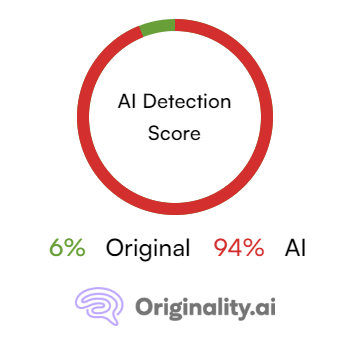
An AI detector examines writing style, sentence predictability, and language consistency to estimate whether text was likely created by artificial intelligence. Businesses now use these tools to protect brand authenticity, while educators use them to maintain academic standards.
The popularity of AI detection systems proves one important fact: people still value genuine human communication.
The Difference Between Human Writing and Machine Output
Artificial intelligence can process information quickly, but creativity is more than arranging words correctly. Human writing carries emotion, memory, humor, and cultural understanding.
Think about the difference between a travel article generated by software and one written by someone who actually experienced the journey. A real writer can describe the chaos of a crowded street market, the nervous excitement before a flight, or the comfort of hearing familiar music in a foreign country.
These emotional details make content memorable.
AI-generated writing often struggles with emotional unpredictability. It tends to remain balanced, safe, and formulaic.This is precisely why machine-written trends can occasionally be identified by Asi detectors.
Search Engines Are Rewarding Authenticity
It is no longer necessary to repeatedly use keywords in modern SEO.Search engines have evolved significantly, and user experience now matters more than mechanical optimization.
Websites with shallow, repetitive, or emotionless articles rarely maintain strong rankings for long. Readers leave quickly when content feels generic, and search engines notice those engagement signals.
This is why businesses increasingly care about originality. An article that sounds natural, informative, and engaging has a better chance of building authority online.
Completely automated writers frequently create text devoid of personality. Meanwhile, creative writers who understand storytelling continue to outperform purely automated material.
How Smart Writers Avoid Robotic Content
Professional writers understand that originality is not ai 검사기 created accidentally. It comes from strategy, perspective, and creativity.
Here are several techniques experienced creators use to make content feel authentic:
Storytelling Instead of Information Dumping
Emotions are relatable to readers than facts. Adding relatable situations creates emotional engagement.
Mixing Writing Rhythms
Human writing naturally changes pace. Combining short sentences ai 검사기 with longer descriptive passages creates a more realistic tone.
Using Unique Angles
Instead of repeating common opinions, strong writers explore fresh perspectives and unexpected ideas.
Writing for Humans First
Some creators obsess over algorithms and forget real people are reading the content. Successful articles focus on audience experience before search rankings.
Adding Personality
Even informative content becomes more powerful when it reflects human thought and emotion.
These methods help articles feel alive rather than mechanically assembled.
The Controversy Around AI Detection
AI detectors are not perfect. Certain tools wrongly categorize human writing as artificial, particularly when formal with complex material are used.
This creates frustration among writers who spend hours crafting original material only to receive inaccurate detection scores.
The debate continues across schools, workplaces, and publishing industries. Some people believe AI detection protects integrity, while others argue it unfairly judges creative work through algorithms.
One thing is certain: no software can fully measure imagination.
The Future of Writing in an AI World
Artificial intelligence will remain part of the content industry. It can help brainstorm ideas, organize information, and improve productivity. Nonetheless, authors who are adept at fusing creativity and technology will rule the future.
When it comes to the material we consume, users is quite finicky.They want articles that feel personal, insightful, and trustworthy. Generic writing is quickly ignored in today’s crowded digital landscape.
This shift means creativity is becoming more valuable than ever before.
An ai 검사기 may continue evolving, but authentic storytelling will always stand out naturally. Human experiences, emotions, and perspectives cannot be perfectly replicated by algorithms.
Final Thoughts
The growing importance of the ai 검사기 reflects a deeper truth about modern communication. People are surrounded by endless digital content every day, yet they still search for something real.
Technology can generate sentences, but only human creativity can create emotional connection. That is why originality remains the strongest advantage in writing, marketing, and online publishing.
The future of content does not belong to those who produce the most words. It belongs to those who create something readers genuinely remember.
For more Blogs: Click Here
