
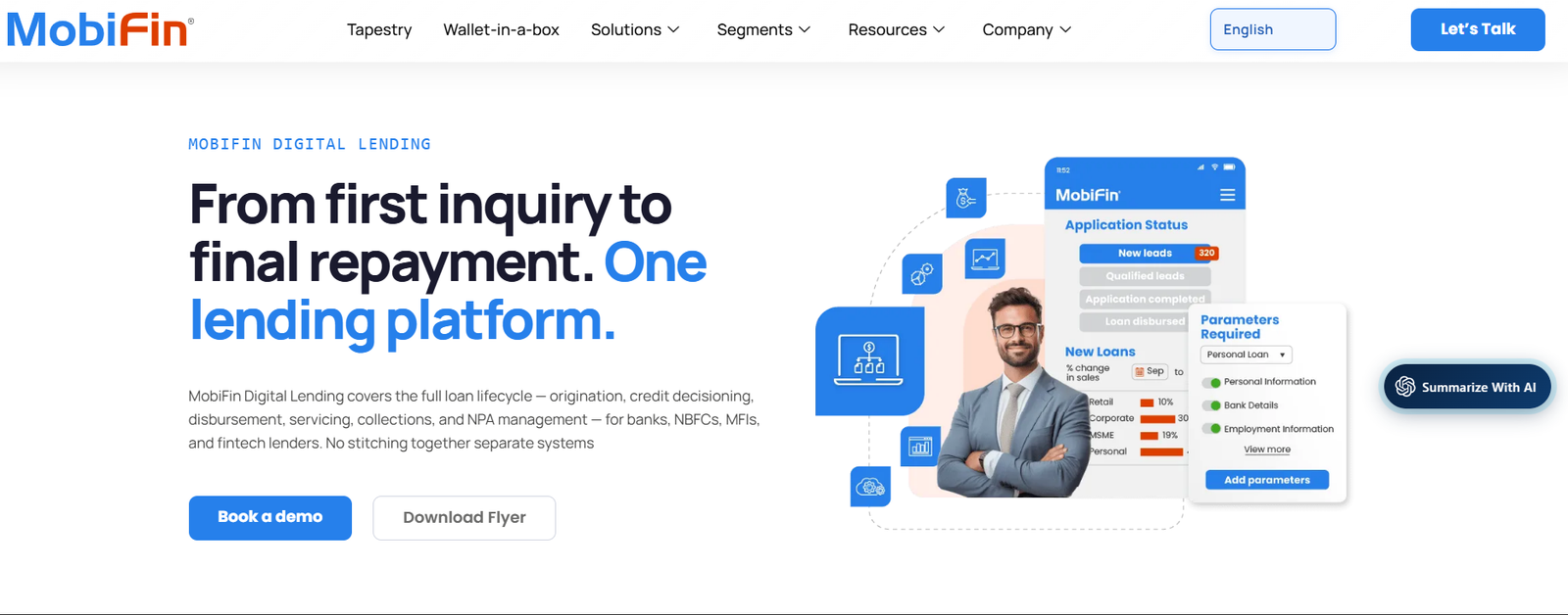
The lending industry has undergone a remarkable transformation over the past decade. Traditional loan processing methods that relied on extensive paperwork, manual verification, and lengthy approval cycles are rapidly being replaced by digital-first lending solutions. Today’s borrowers expect quick approvals, seamless digital experiences, and instant access to credit. At the same time, lenders must balance growth objectives with effective risk management and regulatory compliance.
This shift has led to the widespread adoption of digital lending platforms, which are revolutionizing the way financial institutions originate, process, manage, and monitor loans. By leveraging automation, artificial intelligence, advanced analytics, and API-driven ecosystems, digital lending platforms are helping banks, NBFCs, microfinance institutions, and fintech companies deliver faster lending experiences while improving risk assessment and operational efficiency.
As the demand for digital financial services continues to rise, digital lending has become one of the most important pillars of modern financial ecosystems.
Understanding Digital Lending Platforms
A digital lending platform is a technology solution that automates and streamlines the entire lending lifecycle, from loan application and customer onboarding to credit assessment, loan disbursement, servicing, and collections.
Unlike traditional lending systems, digital lending platforms eliminate many manual processes by integrating customer data, credit scoring models, compliance workflows, and decision engines into a single ecosystem.
These platforms enable lenders to process applications more efficiently, reduce turnaround times, and improve borrower experiences while maintaining strong risk controls.
Why Traditional Lending Models Face Challenges
Traditional lending systems often struggle with several operational inefficiencies.
Lengthy Approval Processes
Manual document collection and verification can significantly delay loan approvals. Borrowers often wait days or even weeks for lending decisions.
High Operational Costs
Traditional lending requires extensive manpower for data entry, underwriting, verification, and loan servicing.
Limited Customer Experience
Modern consumers expect instant digital interactions. Lengthy branch visits and paperwork-heavy processes often result in poor customer satisfaction.
Inconsistent Risk Assessment
Manual underwriting can introduce inconsistencies in lending decisions, potentially increasing credit risk.
Compliance Complexity
Financial institutions must comply with evolving regulations, making manual compliance management increasingly difficult.
Digital lending platforms address these challenges by creating a more efficient and scalable lending environment.
Faster Loan Origination Through Automation
One of the most significant benefits of digital lending platforms is accelerated loan origination.
Automation enables lenders to:
- Capture applications online
- Verify identities digitally
- Validate documentation automatically
- Conduct real-time credit checks
- Generate instant loan offers
Instead of requiring multiple branch visits and paper forms, borrowers can complete the entire application process through a smartphone or web portal.
This dramatically reduces processing times and improves customer satisfaction.
Digital Onboarding
Digital onboarding allows customers to complete Know Your Customer (KYC) requirements electronically.
Features often include:
- Identity verification
- Biometric authentication
- OCR document capture
- Electronic signatures
- Automated compliance screening
By reducing manual intervention, lenders can onboard borrowers much faster while maintaining regulatory compliance.
AI-Powered Credit Decisioning
Artificial intelligence is transforming how lenders assess risk.
Traditional credit scoring models primarily rely on limited financial information. Modern digital lending platforms can analyze a broader range of data points, including:
- Transaction history
- Mobile usage patterns
- Payment behavior
- Income trends
- Alternative credit data
AI-powered decision engines evaluate these factors in real time to generate more accurate risk profiles.
This enables lenders to:
- Approve qualified borrowers faster
- Reduce default rates
- Expand access to underserved segments
- Improve portfolio performance
Improved Lending Accuracy
Machine learning algorithms continuously improve by analyzing repayment behavior and loan outcomes.
As more data becomes available, lending decisions become increasingly accurate, helping institutions optimize risk-adjusted returns.
Enhanced Risk Management
Risk management remains one of the most critical functions within lending operations.
Digital lending platforms provide lenders with powerful tools to monitor and mitigate risk throughout the loan lifecycle.
Real-Time Risk Monitoring
Modern platforms continuously monitor borrower activity and portfolio performance.
Lenders can quickly identify:
- Delinquency trends
- Fraud indicators
- Repayment risks
- Portfolio concentration issues
Early warning systems allow institutions to take proactive measures before problems escalate.
Automated Fraud Detection
Fraud prevention technologies help lenders identify suspicious activities during onboarding and loan servicing.
Common capabilities include:
- Identity verification
- Behavioral analytics
- Device fingerprinting
- Transaction monitoring
- Document authenticity checks
These tools reduce financial losses while protecting borrowers and lenders alike.
Better Customer Experience
Customer expectations have changed dramatically in recent years.
Borrowers want:
- Instant loan approvals
- Mobile-first experiences
- Transparent communication
- Flexible repayment options
- Personalized offers
Digital lending platforms deliver these capabilities through user-friendly interfaces and automated communication tools.
Omnichannel Lending
Borrowers can interact with lenders across multiple channels, including:
- Mobile apps
- Web portals
- Chatbots
- Branches
- Agent networks
This flexibility creates a seamless experience regardless of how customers choose to engage.
Personalized Loan Products
Advanced analytics enable lenders to offer tailored products based on individual customer profiles.
Personalization increases approval rates, customer satisfaction, and long-term loyalty.
Operational Efficiency and Cost Reduction
Manual lending operations are costly and resource-intensive.
Digital lending platforms automate many repetitive tasks, including:
- Data collection
- Verification workflows
- Credit assessment
- Loan processing
- Repayment reminders
Automation significantly reduces operational expenses while improving productivity.
Scalable Lending Operations
As lending volumes grow, digital platforms can handle increased demand without proportional increases in staffing requirements.
This scalability enables financial institutions to expand their lending portfolios efficiently.
Regulatory Compliance Made Easier
Compliance requirements continue to evolve across global financial markets.
Digital lending platforms help institutions maintain compliance through:
- Automated KYC workflows
- AML monitoring
- Audit trails
- Regulatory reporting
- Data privacy controls
These features reduce compliance risks and simplify regulatory management.
Transparent Record Keeping
Every action within the lending process is recorded and traceable, improving transparency and accountability.
This auditability is particularly valuable during regulatory reviews and internal audits.
Expanding Financial Inclusion
Digital lending platforms play a vital role in promoting financial inclusion.
Millions of individuals and small businesses remain underserved by traditional financial institutions due to:
- Lack of credit history
- Geographic limitations
- Limited banking infrastructure
Digital platforms leverage alternative data and automated decision-making to assess creditworthiness more effectively.
As a result, lenders can safely extend credit to previously excluded populations.
Supporting Small Businesses
Small and medium-sized enterprises often struggle to access financing.
Digital lending platforms help by:
- Simplifying applications
- Accelerating approvals
- Reducing documentation requirements
- Offering tailored financing products
This access to capital supports business growth and economic development.
The Role of API-Driven Lending Ecosystems
Modern lending increasingly depends on interconnected financial ecosystems.
API-driven platforms allow lenders to integrate with:
- Credit bureaus
- Core banking systems
- Payment gateways
- Identity verification providers
- Fintech applications
These integrations streamline operations while creating new opportunities for innovation.
Embedded Lending
One of the fastest-growing trends in financial services is embedded lending.
Through APIs, lenders can offer financing directly within:
- E-commerce platforms
- Marketplaces
- Mobile applications
- Business software
This creates convenient borrowing experiences while expanding lending opportunities.
Future Trends in Digital Lending
The future of lending will be shaped by several emerging technologies.
Artificial Intelligence
AI will continue enhancing credit decisioning, fraud detection, and customer engagement.
Open Finance
Greater data sharing will improve risk assessment and enable more personalized lending products.
Embedded Finance
Lending services will increasingly be integrated into non-financial platforms and customer journeys.
Real-Time Lending
Advancements in automation will enable near-instant loan approvals and disbursements.
Cloud-Native Platforms
Cloud-based infrastructure will provide greater scalability, flexibility, and resilience for lending operations.
Digital lending platforms are redefining how financial institutions deliver credit. By automating lending workflows, improving risk management, enhancing customer experiences, and expanding financial inclusion, these platforms have become essential tools for modern lenders.
As competition intensifies and borrower expectations continue to evolve, institutions that invest in advanced digital lending technologies will be better positioned to grow their portfolios, manage risk effectively, and deliver superior customer experiences.
For banks, NBFCs, fintech companies, and microfinance institutions, digital lending is no longer just a technology upgrade—it is a strategic necessity for long-term success in the digital economy.