
The Rise of Bold Fusion Flavors in Modern Asian Food Culture
Asian food culture has always been known for its deep, layered, and expressive flavor traditions. From street food stalls in India and Thailand to modern snack factories in China, Indonesia, and Vietnam, consumers across the region consistently embrace strong taste profiles that combine heat, acidity, and aromatic complexity.
In recent years, this preference has evolved into a more structured and commercial trend, where fusion seasoning systems are taking center stage. Among these, the best lemon chilli seasoning has emerged as one of the most influential flavor innovations shaping both street food culture and packaged snack development across Asia.
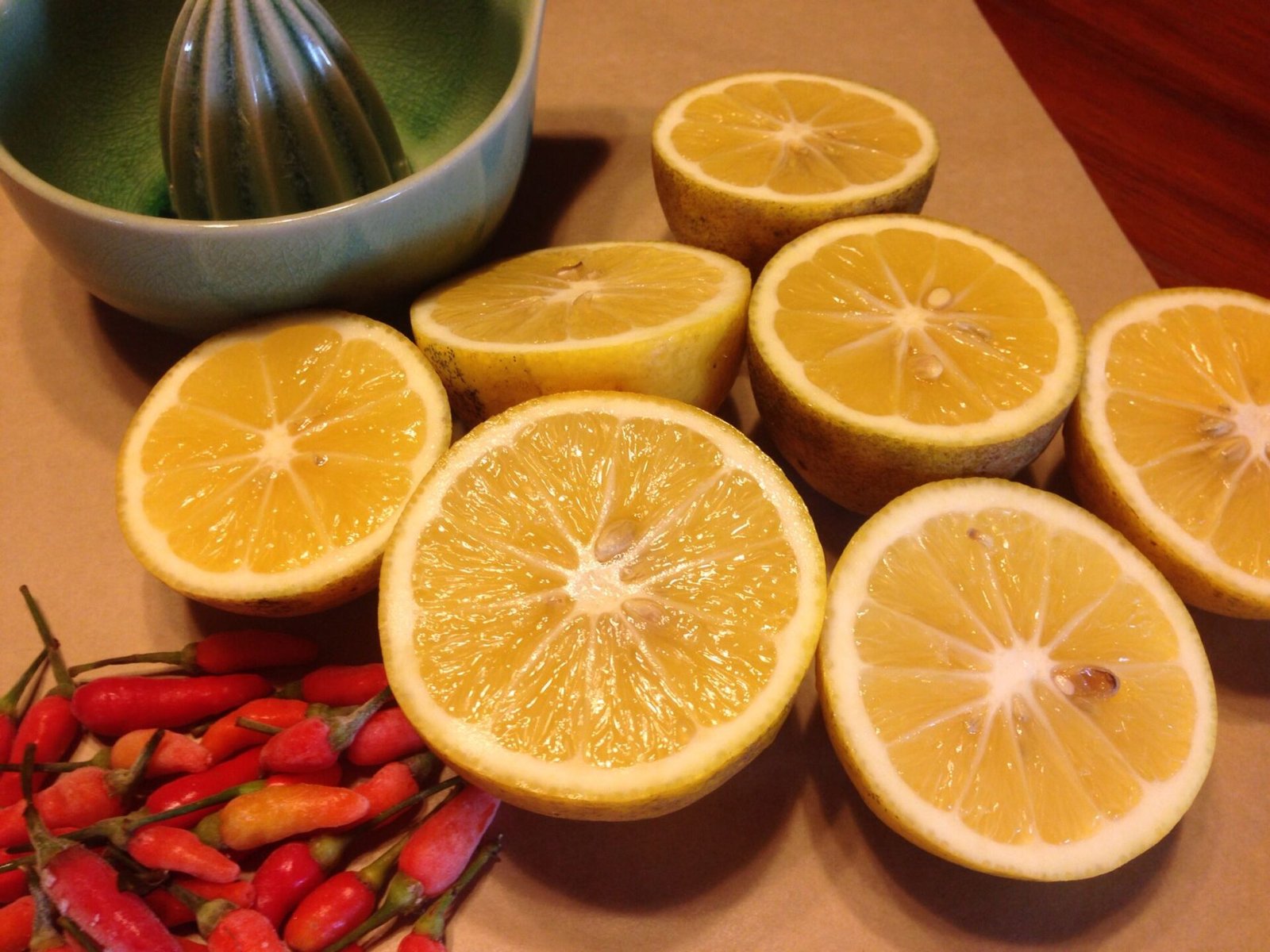
The appeal of Lemon Chilli Seasoning lies in its ability to combine two powerful sensory elements into a single, balanced profile. The tangy brightness of lemon delivers instant freshness, while chilli introduces a slow-building heat that enhances depth and excitement. This contrast creates a dynamic flavor experience that strongly resonates with modern consumers.
As Asian food markets continue to expand and modernize, Lemon Chilli Seasoning is becoming a key driver of innovation in both traditional street food and large-scale snack manufacturing.
Understanding the Flavor Identity of Lemon Chilli Seasoning
At its core, Lemon Chilli Seasoning is built on a simple yet powerful sensory contrast. Lemon contributes citric acidity, delivering freshness and sharpness on the palate. Chilli introduces capsaicin-driven heat, which stimulates sensory receptors and creates a warming sensation.
When combined, these elements create a layered flavor profile that evolves during consumption. The initial impact is bright and tangy, followed by a gradual build-up of spice that lingers on the palate. This progression makes Lemon Chilli Seasoning highly engaging.
Food scientists often describe this as a “dual-phase flavor system,” where freshness and heat work in sequence to enhance overall sensory experience. This structure aligns well with Asian cuisine, where complexity and balance are highly valued.
Why Lemon Chilli Seasoning Is Dominating Street Food Culture
Street food is a core part of Asian culinary identity—fast, flavorful, and deeply connected to local taste preferences. Over time, it has also become a platform for experimentation and flavor innovation.
Lemon Chilli Seasoning has gained popularity in street food because it enhances familiar dishes without altering their core identity. It is widely used in grilled meats, fried snacks, noodles, chaats, seafood, and spicy fried items.
Its effectiveness comes from its ability to cut through oiliness while enhancing freshness. The citrus component balances richness, while chilli adds excitement and heat.
Across many Asian cities, vendors are adopting Lemon Chilli Seasoning as a signature enhancer, modernizing traditional recipes while maintaining authenticity. This adaptability has made it a street food essential.
The Expansion of Lemon Chilli Seasoning in Packaged Snacks
Beyond street food, Lemon Chilli Seasoning is playing a major role in the packaged snack industry. Consumers increasingly prefer bold, memorable flavors inspired by real culinary experiences.
Manufacturers use it in chips, popcorn, extruded snacks, nuts, and rice-based products. Its dual impact of tanginess and heat makes it ideal for mass-market innovation.
A key advantage is its strong flavor efficiency—even small quantities deliver high sensory impact, making it cost-effective for large-scale production.
It also performs well in dry seasoning systems, ensuring consistent flavor distribution across every bite and extended shelf life.
The Sensory Science Behind Lemon Chilli Seasoning
The success of Lemon Chilli Seasoning is rooted in sensory science. Lemon stimulates salivation and refreshes the palate through acidity, while chilli activates heat receptors that generate a warming effect.
Together, they create a push-pull dynamic that keeps the palate engaged. Lemon tempers chilli intensity, while chilli deepens citrus perception.
This balance prevents sensory fatigue, making it ideal for repeat consumption in snack applications.
Ingredient Technology Behind Modern Lemon Chilli Seasoning
Industrial production of Lemon Chilli Seasoning requires advanced processing techniques. Citrus compounds are volatile and must be stabilized, while chilli levels need standardization for consistent heat.
Encapsulation and controlled drying technologies help preserve flavor integrity across applications. This ensures stable performance in both street food-style snacks and packaged goods.
Such scalability without loss of sensory quality is a major reason for its widespread adoption.
The Role of Functional Ingredients Like Garlic Oleoresin
Modern seasoning systems often include functional ingredients that enhance depth and stability. Garlic Oleoresin, a concentrated garlic extract, is one such ingredient.
When added to Lemon Chilli Seasoning, it introduces savory depth and aromatic richness. It bridges citrus tang and chilli heat, creating a more complete flavor profile.
It also enhances umami perception, making snacks more satisfying and full-bodied—especially important in processed foods.
Why BioMasdar Supports Flavor Innovation in Asian Markets
As demand for advanced seasoning systems grows, reliable ingredient suppliers are essential. BioMasdar plays a key role by supplying high-quality botanical extracts and functional food ingredients.
Consistency is critical in Lemon Chilli Seasoning formulations, and BioMasdar supports this through stable, high-performance ingredient solutions.
For formulations using Garlic Oleoresin, ingredient quality becomes even more important, ensuring reliable flavor delivery across markets.
The Future of Lemon Chilli Seasoning in Global Food Trends
The future of Lemon Chilli Seasoning is tied to rising demand for bold, fusion-inspired flavors. Consumers increasingly seek combinations of freshness, heat, and cultural familiarity.
As global food culture becomes more interconnected, this seasoning is expected to expand beyond Asia into international markets.
Future developments may include refined heat control, enhanced citrus precision, and improved functional stability, making it even more versatile.
FAQs
1. What is Lemon Chilli Seasoning made of?
It typically combines citrus-based lemon flavor (natural or powdered) with chilli extracts, spices, and sometimes functional ingredients like garlic or salt enhancers.
2. Why is Lemon Chilli Seasoning so popular in Asia?
Because it matches regional taste preferences for bold, spicy, and tangy flavors while enhancing both street food and packaged snacks.
3. How is it used in street food?
It is sprinkled or blended into grilled meats, fried snacks, noodles, chaats, seafood, and other spicy street-style dishes.
4. Why do snack companies use Lemon Chilli Seasoning?
It delivers strong flavor impact, works well in dry systems, and helps create distinctive, marketable snack profiles.
5. What makes the flavor balanced instead of overpowering?
The acidity of lemon reduces chilli intensity while chilli enhances depth, creating a controlled and layered taste experience.
6. What role does Garlic Oleoresin play in the seasoning?
It adds savory depth, enhances umami, and bridges the gap between citrus tang and spicy heat for a more rounded flavor profile.
