
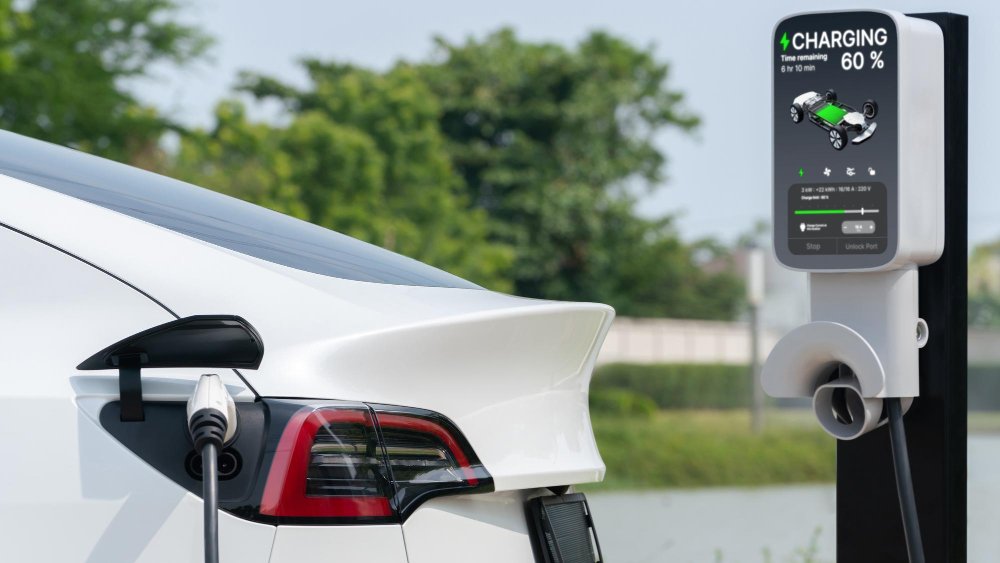
The electric vehicle Philippines sector supports cleaner transportation systems through reduced emissions, improved energy efficiency, and lower dependence on fossil fuels. Electric vehicles offer a different approach to mobility by using battery-powered technology instead of conventional fuel-powered engines. These vehicles contribute to transportation goals that focus on environmental responsibility while meeting everyday travel needs.
Transportation is an important part of daily life across the Philippines. People depend on vehicles to travel to work, school, businesses, and public services. However, traditional transportation methods often contribute to air pollution and fuel consumption. As environmental concerns receive more attention, cleaner transportation alternatives are becoming part of public discussions and long-term planning efforts.
Lower Vehicle Emissions
One of the main environmental benefits of electric vehicles is the reduction of direct vehicle emissions. Conventional vehicles release carbon dioxide and other pollutants through fuel combustion. These emissions contribute to environmental concerns in both urban and rural areas. Electric vehicles operate without producing tailpipe emissions, helping reduce the amount of pollutants released during daily transportation activities.
Cleaner Urban Air
Air quality remains a concern in many cities where traffic volume is high. Vehicle emissions contribute to pollutants that affect public spaces, residential communities, and commercial districts. Electric vehicles help reduce these emissions because they do not rely on fuel combustion during operation. As more electric vehicles enter the road network, urban air conditions can become cleaner over time.
Reduced Dependence on Fuel
Traditional transportation systems rely heavily on gasoline and diesel to support daily travel and commercial activities. This dependence creates demand for fossil fuels and exposes transportation sectors to fuel price changes. Electric vehicles operate using electricity stored in batteries. This alternative energy source helps reduce reliance on petroleum-based fuels while supporting transportation requirements.
Better Energy Efficiency
Energy efficiency is an important factor when evaluating transportation technologies. Electric motors convert a larger portion of stored energy into movement compared to internal combustion engines. Conventional engines lose significant amounts of energy through heat during operation. Electric vehicles use energy more effectively, helping reduce waste while supporting reliable transportation performance in different driving conditions.
Less Noise Pollution
Transportation noise affects many urban communities, especially in areas with heavy traffic. Engine sounds, acceleration, and fuel-powered operations contribute to noise pollution throughout the day. Electric vehicles operate with quieter electric motors that generate less sound during normal use. Reduced transportation noise can contribute to a more comfortable environment for residents and commuters.
Support for Renewable Energy
Electric vehicles can work alongside renewable energy systems such as solar and wind power. This connection creates opportunities for cleaner transportation supported by cleaner electricity generation. Charging infrastructure linked to renewable energy sources can reduce the environmental impact associated with vehicle operation. Combining electric mobility with renewable energy supports broader sustainability objectives across different sectors.
Improved Public Transportation
Public transportation helps move large numbers of people each day. Cleaner public transportation options contribute to environmental improvements while maintaining accessibility. Electric buses and other electric transit vehicles reduce emissions associated with large transportation fleets. Their use supports cleaner mobility solutions while helping communities maintain reliable transportation services for daily commuting activities.
Reduced Carbon Footprint
Carbon emissions from transportation contribute to environmental challenges faced by many countries. Reducing these emissions is often included in sustainability and climate-related initiatives. Electric vehicles produce no direct tailpipe emissions during operation. When powered by cleaner electricity sources, they can contribute to lower overall carbon emissions compared to conventional transportation methods.
Advancements in Battery Technology
Battery technology is a key component of electric vehicle performance. Improvements in battery systems support longer driving distances, improved reliability, and more efficient energy storage. Research and development efforts continue to improve battery capabilities. These advancements help electric vehicles meet transportation needs while supporting cleaner mobility solutions across various driving environments.
Growing Charging Infrastructure
Charging infrastructure is necessary for practical electric vehicle use. Drivers need access to reliable charging facilities for daily transportation and longer trips. Charging stations are becoming available in commercial centers, public spaces, and transportation hubs. Expanded infrastructure supports electric vehicle operation by providing convenient access to charging services across different locations.
Lower Maintenance Requirements
Vehicle maintenance affects long-term transportation costs and operational efficiency. Conventional vehicles contain many components that require regular servicing due to engine-related wear. Electric vehicles have fewer moving mechanical parts and do not require fuel system maintenance. This simpler design can reduce maintenance demands while supporting dependable transportation performance over time.
Cleaner Fleet Operations
Many businesses and organizations operate vehicle fleets for transportation and logistics purposes. Fleet operations can contribute significantly to transportation-related emissions. Electric fleet vehicles provide a cleaner alternative for delivery services, company vehicles, and commercial transportation. Their use helps reduce direct emissions while supporting operational activities required for business and public services.
Support for Sustainable Cities
Urban planning often focuses on balancing mobility, environmental quality, and public well-being. Transportation systems influence many aspects of city life. Electric vehicles support sustainability objectives through reduced emissions, lower noise levels, and improved energy use. These benefits contribute to transportation strategies that promote cleaner and more efficient urban environments for communities.
Encouraging Transportation Innovation
Innovation continues to shape the future of transportation technologies. Electric vehicles represent one example of how new technologies can address environmental concerns while supporting mobility needs. Investments in vehicle technology, charging infrastructure, and energy systems contribute to ongoing transportation improvements. These developments support cleaner transportation options and encourage further advancements in sustainable mobility.
Key Takeaway
The electric vehicle Philippines sector contributes to cleaner transportation systems through several practical benefits. Lower emissions, improved energy efficiency, reduced noise pollution, and lower dependence on fossil fuels support environmental objectives while maintaining transportation accessibility. These advantages make electric vehicles an important part of discussions surrounding sustainable mobility and transportation planning.
As transportation needs continue to change, electric vehicles provide an alternative to traditional fuel-powered transportation. Their ability to reduce direct emissions and use energy more efficiently supports cleaner mobility solutions for individuals, businesses, and communities. The electric vehicle Philippines market reflects a growing interest in transportation methods that align with environmental and sustainability goals.
