
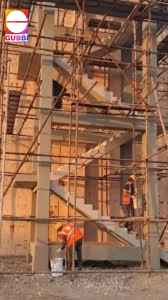
India is witnessing rapid urban development, and many buildings constructed decades ago are now facing structural deterioration. Aging infrastructure, poor maintenance, increased load requirements, seismic risks, and environmental exposure have made structural strengthening a major concern for property owners. Structural retrofitting services in India have become essential for restoring the safety, durability, and performance of residential, commercial, industrial, and public structures without complete demolition.
Structural retrofitting services in India help improve the strength and stability of damaged or weak structures. These solutions are widely used in old buildings, bridges, factories, parking structures, hospitals, schools, and heritage buildings. Retrofitting improves structural life, enhances load-bearing capacity, and ensures compliance with modern safety standards. As construction costs continue to rise, retrofitting is becoming a practical and cost-effective alternative to rebuilding.
What is Structural Retrofitting?
Structural retrofitting is the process of modifying existing buildings or infrastructure to improve their structural performance. It involves strengthening weak structural components such as beams, columns, slabs, foundations, and walls. Retrofitting techniques are selected after detailed structural assessment and engineering analysis to identify vulnerabilities and damage within the structure.
Building strengthening services are commonly required when structures experience cracks, corrosion, concrete deterioration, foundation settlement, or seismic weakness. Retrofitting also becomes necessary when building usage changes and additional loads are introduced. For example, converting a residential property into a commercial space may require structural upgrades to support heavier occupancy and equipment loads.
Common Reasons Buildings Require Retrofitting
Many buildings in India were designed according to outdated construction codes and may not meet current structural safety standards. Environmental conditions such as heavy rainfall, coastal humidity, temperature variation, and pollution accelerate concrete deterioration and steel corrosion. Over time, these factors weaken the structure and increase the risk of failure.
Concrete repair and strengthening solutions are often needed because of poor construction quality, water leakage, reinforcement corrosion, excessive vibrations, and accidental damage. Earthquake-prone regions also require seismic retrofitting to improve resistance against lateral forces. Retrofitting helps prevent structural collapse while extending the service life of the building in a safe and economical manner.
Importance of Structural Retrofitting for Commercial Buildings
Commercial buildings experience continuous operational stress due to heavy occupancy, machinery loads, and changing infrastructure requirements. Offices, malls, warehouses, hotels, and industrial plants often require strengthening to maintain operational safety and business continuity. Structural retrofitting minimizes downtime while improving structural reliability.
Commercial building retrofitting provides long-term benefits including improved safety, increased structural stability, and enhanced property value. Modern retrofitting techniques can strengthen existing buildings without major disruption to business activities. Proper retrofitting also helps organizations comply with updated building regulations and safety standards while reducing future maintenance expenses.
Seismic Retrofitting and Earthquake Protection
Several regions in India fall under moderate to high seismic zones, making earthquake-resistant strengthening extremely important. Older structures built without seismic considerations are vulnerable to severe damage during earthquakes. Seismic retrofitting improves a structure’s ability to withstand lateral movement and ground vibrations.
Earthquake retrofitting services include jacketing of columns, beam strengthening, shear wall installation, steel bracing, and foundation strengthening. These techniques improve structural ductility and load transfer mechanisms during seismic activity. Retrofitting reduces the chances of structural failure and protects human life, infrastructure investment, and operational continuity during natural disasters.
Popular Structural Retrofitting Techniques Used in India
Modern structural strengthening solutions use advanced materials and engineering methods to repair damaged structures effectively. Different retrofitting techniques are selected depending on structural condition, load requirements, and environmental exposure. Engineers perform detailed inspections before finalizing the strengthening strategy.
Carbon fiber wrapping is widely used for strengthening beams, columns, and slabs because it provides high tensile strength with minimal additional weight. RCC jacketing improves load capacity by adding reinforced concrete layers around structural members. Steel plate bonding, micro concrete grouting, epoxy injection, and foundation underpinning are also commonly used strengthening methods in India.
Carbon Fiber Wrapping for Structural Strengthening
Carbon fiber reinforced polymer systems have become one of the most preferred retrofitting methods due to their high efficiency and durability. Carbon fiber wrapping is lightweight, corrosion-resistant, and capable of improving structural performance significantly without increasing member dimensions.
Carbon fiber structural strengthening is commonly applied to columns, beams, bridges, industrial structures, and parking areas. This technique enhances flexural strength, shear resistance, and confinement capacity. Since carbon fiber installation is fast and minimally invasive, it is ideal for projects requiring limited operational disruption. It also offers long-term durability in harsh environmental conditions.
Concrete Repair and Rehabilitation Solutions
Concrete deterioration is one of the most common structural problems in ageing buildings. Cracks, spalling, exposed reinforcement, and moisture penetration reduce the strength and durability of concrete structures. Timely repair and rehabilitation prevent further damage and restore structural integrity.
Structural rehabilitation services involve crack injection, corrosion treatment, polymer-modified repair mortar application, micro concrete repair, and waterproofing protection systems. Proper rehabilitation improves the building’s overall performance while protecting reinforcement steel from future corrosion. Regular structural maintenance combined with rehabilitation helps extend the life expectancy of concrete structures significantly.
Structural Audit and Condition Assessment
Before beginning any retrofitting project, engineers conduct detailed structural audits to evaluate the building condition. Structural assessment identifies weak elements, load deficiencies, material deterioration, and safety concerns. Accurate diagnosis is essential for selecting the most effective strengthening solution.
Structural audit services include non-destructive testing, rebound hammer testing, ultrasonic pulse velocity testing, core testing, corrosion analysis, and load evaluation. These inspections help determine the severity of structural damage and prioritize repair strategies. A professional structural audit ensures that retrofitting work addresses the actual root cause rather than temporary surface-level issues.
Benefits of Choosing Retrofitting Over Reconstruction
Complete demolition and reconstruction require large financial investments, lengthy approvals, and extended project timelines. Retrofitting offers a practical alternative by restoring existing structures while reducing costs and environmental impact. It also preserves operational continuity for occupied buildings.
Building retrofitting solutions are more economical because they utilize the existing structural framework while improving performance and safety. Retrofitting reduces material waste, shortens project duration, and minimizes disruption to occupants or business operations. It also helps maintain architectural heritage in historical structures while upgrading structural reliability according to modern engineering standards.
Industrial Structural Strengthening Requirements
Industrial buildings are exposed to heavy machinery loads, chemical exposure, dynamic vibrations, and aggressive environmental conditions. These factors can lead to structural fatigue, cracking, and foundation settlement over time. Industrial retrofitting helps maintain operational safety and production efficiency.
Industrial structural repair services include strengthening machine foundations, repairing damaged RCC structures, vibration control strengthening, steel structure reinforcement, and corrosion protection systems. Factories, manufacturing plants, warehouses, and processing units require specialized retrofitting techniques to ensure structural stability under demanding operational conditions.
Waterproofing and Corrosion Protection in Retrofitting
Water ingress is one of the leading causes of structural deterioration in concrete buildings. Continuous moisture exposure accelerates reinforcement corrosion, concrete cracking, and surface deterioration. Effective waterproofing systems play a crucial role in long-term structural protection.
Concrete waterproofing solutions are integrated with retrofitting projects to prevent future damage and improve durability. Protective coatings, injection grouting, membrane systems, and corrosion inhibitors are commonly used for moisture control. These systems protect structural components from environmental exposure while reducing maintenance requirements and repair frequency over time.
Role of Professional Engineering Expertise in Retrofitting
Structural retrofitting requires technical expertise, accurate structural analysis, and proper execution methods. Incorrect strengthening techniques can create additional structural stress and reduce overall performance. Professional engineering support ensures that retrofitting solutions are safe, durable, and compliant with structural standards.
Companies like Gubbi Civil Engineers Limited provide specialized expertise in structural assessment, rehabilitation, and strengthening solutions for various infrastructure projects. Experienced structural engineers analyze project requirements carefully and recommend customized retrofitting strategies that improve safety, durability, and long-term structural performance effectively.
Future of Structural Retrofitting Services in India
The demand for retrofitting services in India is expected to increase significantly due to ageing infrastructure, rapid urbanization, and stricter safety regulations. Government infrastructure projects, commercial redevelopment, and smart city initiatives are also driving the need for advanced strengthening solutions.
Advanced structural strengthening technologies such as fiber-reinforced polymers, smart monitoring systems, and high-performance repair materials are transforming the retrofitting industry. Sustainable construction practices are encouraging building owners to rehabilitate existing structures instead of opting for demolition and reconstruction. This trend will continue creating strong demand for professional retrofitting and rehabilitation services across India.
Structural retrofitting plays a critical role in improving the safety, stability, and lifespan of existing buildings and infrastructure. From residential apartments and commercial buildings to factories and bridges, retrofitting solutions help restore structural integrity while reducing reconstruction costs. Modern strengthening technologies provide efficient, durable, and economical solutions for ageing structures across India.
Structural retrofitting services in India continue to evolve with advanced engineering techniques and innovative repair materials. Proper structural assessment, professional execution, and timely maintenance are essential for ensuring long-term building safety and performance. Investing in quality retrofitting solutions not only protects infrastructure assets but also enhances occupant safety and operational reliability for years to come.
