
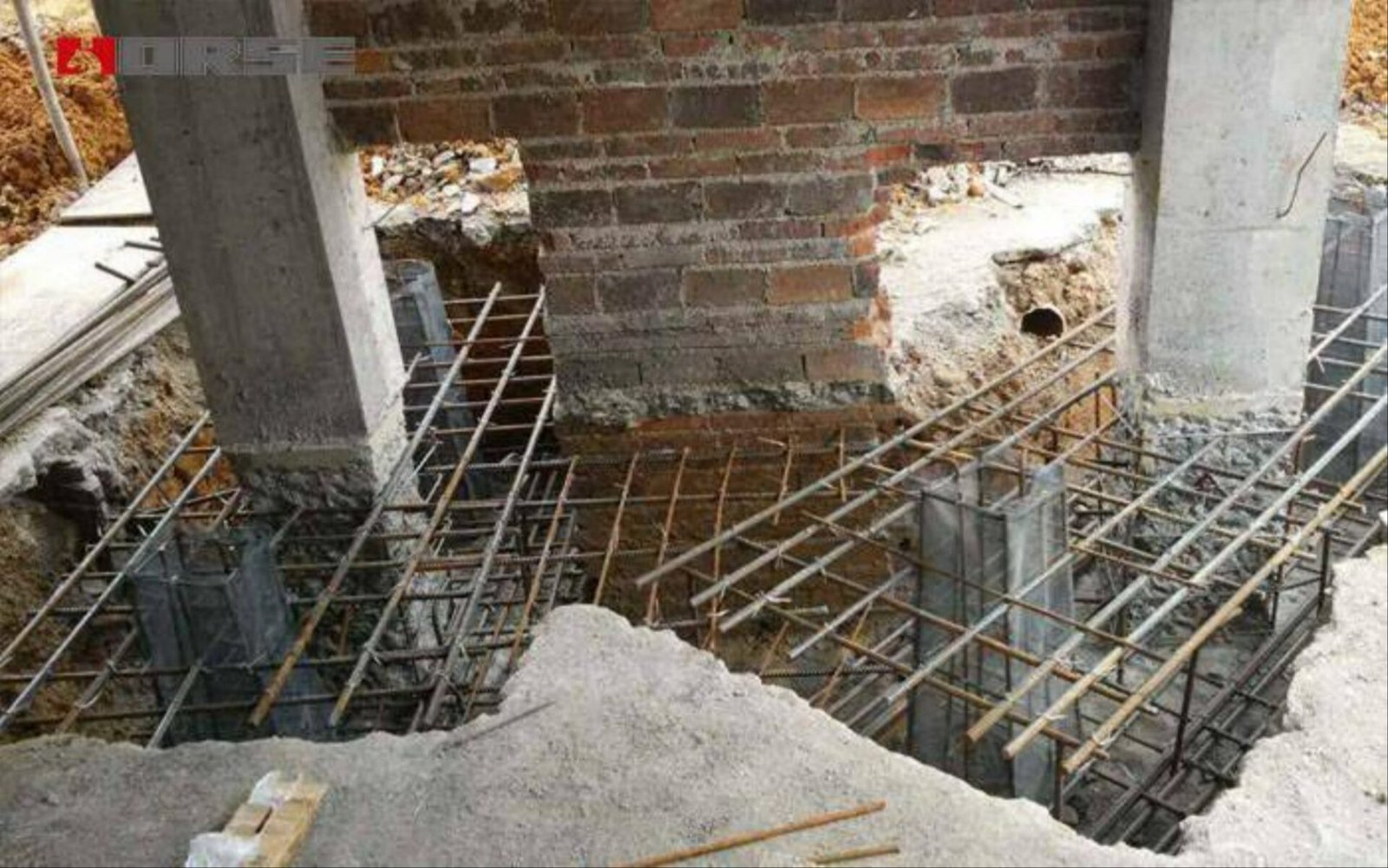
Buildings and industrial structures are designed to withstand different types of loads and environmental conditions. However, over time, their strength can reduce due to aging, increased usage, natural disasters, corrosion, poor maintenance, or changes in structural requirements. Instead of demolishing and rebuilding, many property owners now prefer retrofitting as a practical and cost-effective solution to restore structural performance while extending the life of existing buildings. Across India, the demand for structural retrofitting services in India has increased as residential, commercial, and industrial infrastructure continues to age. Modern retrofitting techniques help improve the strength, durability, and safety of structures without causing major disruptions. Whether the objective is earthquake resistance, load enhancement, or repair of deteriorated concrete, retrofitting provides an efficient way to protect valuable assets while reducing overall project costs.
What Is Retrofitting?
Retrofitting is the process of upgrading an existing structure to improve its strength, stability, durability, and overall performance. Unlike regular repairs, retrofitting focuses on enhancing the structural capacity of a building so it can safely meet current standards and future operational requirements.
The process may involve strengthening beams, columns, slabs, foundations, walls, or other structural components using advanced engineering techniques. Modern retrofitting methods allow engineers to increase load-bearing capacity, improve seismic performance, and restore damaged structures without replacing the entire building. This approach makes retrofitting a preferred solution for infrastructure owners looking for long-term structural reliability.
Why Structural Retrofitting Is Becoming Important in India
India has a large number of buildings, bridges, factories, hospitals, schools, and commercial facilities that have been in service for several decades. Many of these structures were designed according to older construction standards and now face increased operational demands. Continuous exposure to moisture, pollution, temperature variations, and heavy loads can gradually weaken structural elements.
The growing awareness of structural retrofitting services in India has encouraged industries and property owners to invest in building strengthening, concrete repair, seismic retrofitting, and structural rehabilitation. Rather than replacing an entire structure, retrofitting allows owners to improve performance while minimizing downtime, reducing costs, and preserving valuable infrastructure for future use.
Common Signs That a Building Needs Retrofitting
Several visible and hidden indicators may suggest that a structure requires professional assessment. Cracks in beams, slabs, or walls, exposed reinforcement bars, concrete spalling, excessive deflection, water leakage, foundation settlement, corrosion, and vibration during operation are common warning signs.
Buildings that have undergone changes in occupancy or equipment loading may also require structural evaluation. Ignoring these symptoms can increase maintenance costs and compromise safety over time. Early identification allows engineers to recommend suitable strengthening methods before severe structural damage develops.
Benefits of Structural Retrofitting
One of the biggest advantages of retrofitting is extending the service life of existing structures without complete reconstruction. Strengthening damaged components improves safety while maintaining operational continuity. Property owners also benefit from reduced construction waste, lower investment compared to rebuilding, and improved compliance with modern engineering standards.
Retrofitting also enhances resistance against earthquakes, heavy machinery vibrations, environmental deterioration, and future loading conditions. Improved structural performance increases asset value while reducing the likelihood of costly emergency repairs. These long-term benefits make retrofitting an economically sound investment for both public and private infrastructure.
Types of Structural Retrofitting Techniques
Structural engineers select retrofitting methods based on the condition of the structure, design requirements, and operational needs. Different techniques provide varying levels of strength enhancement depending on the project objectives. Proper structural assessment is always necessary before selecting the most suitable strengthening solution.
Some commonly used retrofitting techniques include carbon fiber wrapping, steel plate bonding, FRP strengthening, jacketing of columns, beam strengthening, foundation strengthening, epoxy injection for cracks, micro concrete repair, structural grouting, and reinforced concrete jacketing. Each method is designed to improve specific structural deficiencies while ensuring long-term performance.
Concrete Jacketing for Structural Strengthening
Concrete jacketing remains one of the most widely used strengthening techniques for reinforced concrete buildings. The process involves increasing the size of structural members by adding new reinforced concrete around existing columns or beams. This significantly improves load-carrying capacity and enhances seismic performance.
Concrete jacketing is particularly useful for buildings experiencing increased operational loads or structural deterioration. When designed and executed correctly, it restores structural integrity while extending the overall lifespan of the building without requiring complete demolition.
Carbon Fiber Wrapping for High-Performance Retrofitting
Carbon Fiber Reinforced Polymer (CFRP) wrapping has become one of the most advanced solutions for structural strengthening. Lightweight carbon fiber sheets are bonded to structural components using high-performance adhesives, providing exceptional strength without adding significant weight to the structure.
This technique is widely used for strengthening columns, beams, slabs, and bridge components where rapid installation and minimal disruption are essential. Carbon fiber wrapping offers excellent corrosion resistance and long-term durability, making it suitable for demanding industrial and commercial environments.
Seismic Retrofitting for Earthquake Resistance
Many regions in India are vulnerable to seismic activity, making earthquake-resistant construction increasingly important. Older buildings constructed before modern seismic codes may require strengthening to withstand future earthquakes safely.
Seismic retrofitting improves the building’s ability to absorb and distribute earthquake forces through structural modifications. Engineers may strengthen joints, foundations, walls, beams, and columns to improve overall stability. Proper seismic retrofitting significantly reduces the risk of structural collapse while protecting occupants and valuable assets.
Structural Assessment Before Retrofitting
Every successful retrofitting project begins with a detailed structural assessment. Engineers inspect the condition of structural elements, review original drawings, conduct non-destructive testing, and evaluate the causes of deterioration before recommending appropriate strengthening methods.
A thorough assessment helps identify hidden defects, estimate remaining structural capacity, and develop an effective rehabilitation strategy. Accurate evaluation ensures that retrofitting solutions address the actual problem instead of merely repairing visible damage, resulting in better long-term structural performance.
Choosing the Right Structural Retrofitting Partner
The success of any retrofitting project depends heavily on engineering expertise, proper planning, and quality execution. Experienced professionals understand how different strengthening techniques perform under varying structural conditions and can recommend the most suitable solution based on technical analysis.
If you are looking for reliable structural retrofitting services in India, consulting experienced engineering specialists such as Gubbi Civil Engineers Limited can help ensure that strengthening solutions are technically sound, cost-effective, and designed to improve long-term structural safety while minimizing operational disruption.
Industries That Frequently Require Retrofitting
Structural retrofitting is widely used across multiple industries where infrastructure reliability directly impacts operations. Manufacturing plants, warehouses, commercial buildings, hospitals, educational institutions, power plants, bridges, metro stations, residential apartments, airports, ports, and water treatment facilities often require strengthening due to aging infrastructure or changing operational demands.
Industrial facilities particularly benefit from retrofitting because production can often continue with carefully planned strengthening activities. This minimizes downtime while improving structural reliability for future expansion and increased operational efficiency.
Factors That Influence Retrofitting Costs
The cost of retrofitting varies depending on several project-specific factors. The condition of the existing structure, extent of damage, selected strengthening technique, accessibility, material requirements, testing procedures, labor, and project complexity all contribute to the final investment.
Although retrofitting requires careful planning, it is generally more economical than complete demolition and reconstruction. Property owners also benefit from shorter project durations, reduced material consumption, and lower operational losses, making retrofitting a financially attractive solution for infrastructure improvement.
Why Professional Engineering Matters
Structural strengthening is a highly specialized engineering activity that requires accurate calculations, proper material selection, and strict quality control during execution. Even small design errors can affect the long-term performance of the strengthened structure.
Professional engineering teams follow systematic inspection procedures, perform structural analysis, and implement strengthening solutions according to applicable standards. Their expertise ensures that retrofitting achieves the desired performance improvements while maintaining safety, durability, and structural stability throughout the building’s extended service life.
As infrastructure continues to age, the importance of retrofitting continues to grow across residential, commercial, and industrial sectors. Strengthening existing structures not only improves safety but also extends service life, enhances operational performance, and reduces long-term maintenance costs. Modern retrofitting techniques provide practical solutions for addressing structural deterioration while preserving valuable assets. Choosing professional structural retrofitting services in India allows property owners to protect their investments through scientifically designed strengthening solutions. With proper structural assessment, advanced repair technologies, and expert engineering execution, retrofitting remains one of the most effective approaches for ensuring stronger, safer, and more durable infrastructure for the future.
