
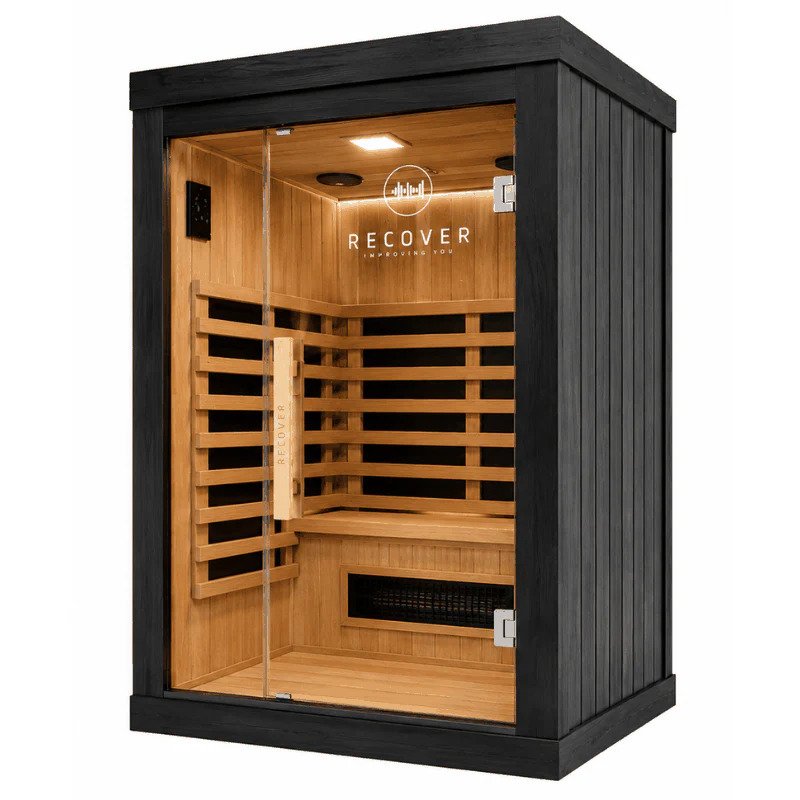
Building a sauna room in your Dubai villa or residence is one of the most rewarding home wellness investments you can make. A well-constructed sauna room adds daily lifestyle value, contributes to property appeal in Dubai’s premium real estate market, and — unlike most renovation projects — is a facility you will use more, not less, over time.
The construction process is more specialized than a standard room renovation. Sauna rooms involve specific timber species chosen for heat tolerance, heater sizing calculations based on room volume, ventilation engineering that differs fundamentally from standard HVAC, electrical installation to exact safety specifications, and finishing details that directly affect the quality and longevity of the experience.
Understanding what to expect before you engage a contractor puts you in control of the project, helps you evaluate quotes accurately, and ensures the finished room performs to the standard you are investing in.
Types of Sauna Rooms You Can Build in Dubai
Traditional Finnish Dry Sauna
The benchmark experience. Cedar or Nordic spruce lining, kiuas (rock heater) producing 80°C–100°C dry heat, low humidity with optional löyly steam from water on heated rocks. Requires 20–40 minutes of preheating. Best for cardiovascular benefits, athletic recovery, and the traditional sauna ritual.
Minimum room size: 1.8m x 1.5m for 2 persons Electrical requirement: 32–50A dedicated circuit Construction complexity: Moderate
Infrared Sauna Room
Lower temperature operation (50°C–65°C) using far-infrared or full-spectrum infrared panels rather than a conventional heater. Significantly lower electrical demand, faster heat-up (10–15 minutes), and suitable for smaller spaces. Deep tissue heat penetration at lower air temperatures.
Minimum room size: 1.5m x 1.2m Electrical requirement: 16–20A dedicated circuit Construction complexity: Low to moderate
Steam Room (Hamam/Turkish Bath Style)
Fully waterproofed tiled construction operating at 40°C–50°C with 95–100% humidity. Requires steam generator, complete waterproofing, and sloped ceiling construction. Higher construction complexity and maintenance demands but excellent respiratory and skin benefits.
Minimum room size: 1.5m x 1.5m Electrical requirement: 20–32A plus water supply and drain Construction complexity: High
Combination Sauna and Steam Room
Some Dubai wellness room builders offer combined units — a sauna with an integrated steam function. These require careful design to accommodate both dry and wet heat cycles without compromising timber or waterproofing integrity. Possible but requires specialist design.
Planning Your Sauna Room
Location Selection
Indoor installation is standard for Dubai homes given the extreme summer heat. Suitable locations include spare bedrooms converted to wellness rooms, large bathroom extensions, covered garage or utility conversions, and dedicated wellness wings in larger villas.
Considerations for location selection:
The room must accommodate the sauna footprint plus clearance space for entry and a small changing or cooling area. A 4m x 4m space allows a generous 2–3 person sauna with a dedicated changing bench. Minimum practical space including access is 2.5m x 3m.
Electrical routing to the location should be feasible with reasonable cable runs. Ventilation routing — fresh air inlet and exhaust outlet — must be achievable from the chosen location.
For steam rooms, proximity to existing plumbing makes installation significantly simpler and cheaper.
Room Dimensions and Bench Layout
Bench height and layout directly affect the sauna experience. Upper bench level should be 90cm–110cm from the floor. The upper bench is the hottest position. Lower benches provide a cooler experience suitable for longer stays or less heat-tolerant users.
Bench width minimum: 60cm for sitting, 90cm for lying.
Standard bench depths: 40–50cm. L-shaped or full-perimeter bench layouts maximize user capacity in a given room footprint.
Heater position: most commonly wall-mounted at lower bench level or floor-standing in a corner, protected by a wooden guard rail.
Materials and Timber Selection
Material selection significantly affects both the experience and the longevity of a sauna room.
Timber for Interior Lining and Benching
Nordic Spruce (Kuusi): The traditional Finnish choice. Light-colored, stable in heat, aromatic, and comfortable to touch at high temperatures due to its low thermal conductivity. Standard choice for walls, ceilings, and benching in traditional Finnish saunas.
Western Red Cedar: The premium choice favored in North American markets and increasingly popular in Dubai for its aromatic oils, natural decay resistance, and attractive color. Slightly higher cost than spruce but exceptional longevity.
Thermally Modified Ash (Thermowood): Pine or ash treated at high temperatures to improve stability, reduce moisture movement, and eliminate resins that drip when heated. Used for benching and wall lining. An excellent choice for Dubai’s humidity cycling environment.
Abachi: An African hardwood increasingly used for sauna benching due to its extremely low thermal conductivity — it remains cool to the touch even in high-temperature saunas. Excellent choice for bench surfaces where contact burns are a concern.
Avoid: Standard construction timbers, treated or painted woods, and any wood containing adhesives or resins that off-gas at high temperatures.
Insulation
Proper insulation is critical for energy efficiency and performance. Mineral wool (rock wool) insulation rated for high-temperature applications is standard for sauna wall and ceiling construction. Walls should achieve a minimum 100mm insulation thickness. The ceiling — where heat concentrates — should have 150mm minimum.
A vapor barrier on the hot side of the insulation prevents moisture from penetrating into the wall cavity. This is a common construction error when non-specialist builders attempt sauna rooms — the vapor barrier must go on the interior (hot) side, not the exterior.
Flooring
Teak or thermally modified timber slats over a waterproof tiled floor is the standard approach. The tile provides a waterproof, cleanable base; the timber slats provide a comfortable, non-slip surface and allow drainage. For steam rooms, a full tiled floor with drainage is mandatory.
Electrical and Heating Requirements
Heater Sizing
Sauna heater output is calculated based on room volume. General rule: 1 kW per cubic meter of room volume, with adjustments for tile or glass surfaces (these absorb more heat, requiring additional output).
A 2m x 2m x 2.1m sauna room (8.4 m³) requires approximately 8–10 kW of heater output.
For infrared saunas, calculation is different — panel output and placement geometry determines coverage rather than air volume heating.
Electrical Installation
A dedicated electrical circuit is mandatory — sauna heaters must not share a circuit with other appliances. Circuit requirements:
For traditional heaters up to 9 kW: 40A single-phase or 25A three-phase circuit. For larger heaters above 9 kW: Three-phase supply is standard. Infrared saunas: typically 16–20A single-phase, significantly simpler.
All sauna electrical work in Dubai must be performed by a DEWA-approved electrician. The circuit must include appropriate overload protection and earth fault protection.
All electrical components inside the sauna room must be rated for high-temperature, high-humidity environments. Standard consumer electrical fittings are not appropriate inside sauna rooms.
Heater Selection
Harvia: Finland’s largest sauna heater manufacturer. Excellent reliability, comprehensive product range from small electric heaters to large wood-burning units. Widely available in the UAE through wellness equipment importers.
Tylö: Swedish manufacturer with a strong reputation for quality and even heat distribution. Popular in premium hotel and resort installations.
EOS: German manufacturer known for high-quality stainless steel heaters and precise temperature control. Premium segment.
Narvi: Finnish traditional manufacturer favored by sauna purists for wood-burning kiuas.
Ventilation Design
Sauna ventilation is entirely different from standard HVAC. It serves two purposes: maintaining safe oxygen levels during sessions and drying the room between sessions to prevent moisture damage.
Basic principle: Fresh air enters the room low (near the floor, close to the heater), passes over the heater to warm up, circulates through the room, and exhausts high on the opposite wall. This creates a convective flow that distributes heat evenly and maintains air freshness.
Inlet: 150–200 cm² open area near floor level, close to the heater. Can be a simple adjustable vent or a dedicated fresh air duct.
Exhaust: 150–200 cm² outlet near the top of the opposite wall, connected to an exhaust duct with an adjustable damper. The damper closes during sessions to hold heat, opens after sessions for rapid drying.
Between sessions: Open both inlet and outlet fully to allow maximum airflow through the room for rapid drying. A dry sauna room after each session dramatically extends timber life and prevents mould.
Mechanical ventilation: Not required during sessions — natural convection is sufficient. A small mechanical exhaust fan is useful for accelerating post-session drying.
Construction Process Step by Step
Step 1 — Design and Planning (1–2 weeks) Finalize room dimensions, bench layout, heater position, door location, and material specifications. Obtain contractor quotes. Confirm electrical and ventilation routing with trades.
Step 2 — Room Preparation (1–3 days) Strip existing finishes from the chosen space. Install any structural modifications required. Confirm floor levelness and drainage if applicable.
Step 3 — Insulation and Vapor Barrier (1–2 days) Install mineral wool insulation in walls and ceiling to specified thickness. Install vapor barrier on the interior (hot) side of insulation. Tape all joints to create a continuous vapor seal.
Step 4 — Electrical Rough-In (1 day) DEWA-approved electrician runs conduit and cables for the heater circuit, lighting, and any entertainment or speaker cabling before wall lining is installed.
Step 5 — Timber Lining (2–4 days) Install timber cladding to walls and ceiling using appropriate sauna-grade fixings (stainless steel or aluminum — never iron, which corrodes and stains timber). Install pre-built bench frames.
Step 6 — Heater Installation (1 day) Mount and connect heater to dedicated electrical circuit. Install heater guard rail. Connect heater control panel (typically wall-mounted outside the sauna room for ease of use).
Step 7 — Door Installation (1 day) Install sauna door — glass-fronted doors are most common in modern installations, wood panel doors in traditional designs. Sauna doors open outward for safety.
Step 8 — Finishing and Accessories (1 day) Install lighting (recessed, low-voltage, rated for sauna temperatures), bench slats, backrest supports, thermometer and hygrometer, bucket and ladle set, and any audio or entertainment systems.
Step 9 — Test Firing and Commissioning (1 day) Initial heat-up cycle to burn off any manufacturing residues from heater and timber. Check all systems, calibrate thermostat, confirm ventilation function.
Dubai-Specific Considerations
Community and building approvals: Many Dubai villa communities and apartment buildings require a NOC (No Objection Certificate) from the community management before structural or significant electrical modifications. Check requirements before committing to construction.
Timber acclimatization: Timber imported for sauna construction should be allowed to acclimatize to Dubai’s ambient humidity for 1–2 weeks before installation. Dubai’s low ambient humidity accelerates drying, and timber installed without acclimatization may shrink and gap after installation.
DEWA electrical compliance: All electrical work must meet DEWA standards. Your contractor should provide electrical certification documentation upon project completion.
Cooling area design: In Dubai’s climate, having an adjacent cooling area — a cool shower, a cold plunge tub, or at minimum an air-conditioned anteroom — dramatically enhances the sauna experience and enables contrast therapy protocols. Planning this from the outset is significantly cheaper than retrofitting later.
Cost Breakdown
| Item | Cost Range (AED) |
| Design and planning | 1,000–3,000 |
| Room preparation and structural work | 2,000–8,000 |
| Insulation and vapor barrier | 1,500–4,000 |
| Electrical installation (dedicated circuit) | 1,500–4,000 |
| Timber and materials | 5,000–20,000 |
| Heater (electric, quality brand) | 3,000–12,000 |
| Door (glass or wood) | 2,000–6,000 |
| Finishing, accessories, lighting | 1,500–4,000 |
| Labor (contractor) | 5,000–15,000 |
| Total (2-person sauna, quality finish) | 22,500–76,000 |
Infrared sauna installations run 30–40% less due to lower electrical requirements and simpler construction. Steam rooms run 20–40% more due to waterproofing complexity.
Choosing a Contractor in Dubai
The difference between an excellent home sauna and a disappointing one almost always comes down to the contractor’s experience with sauna-specific construction rather than general building quality.
Key questions to ask:
How many sauna rooms have you built in the UAE? Can you provide references from completed projects? Do you use genuine Finnish or Scandinavian timber species? Who performs your electrical work, and are they DEWA licensed? Do you handle community NOC applications if required? What is your warranty on construction workmanship?
Request photographs of completed projects and visit an existing installation if possible before committing. A contractor confident in their work will welcome this.
FAQs
How long does sauna room construction take in Dubai? A standard 2-person sauna room takes 2–4 weeks from design sign-off to completion, including all trades.
Do I need planning permission to build a sauna in Dubai? Community NOC is often required for electrical modifications. DEWA approval for the electrical circuit is mandatory. No separate planning permission is typically required for internal wellness room construction.
Can a sauna room be installed in a Dubai apartment? Yes, for infrared saunas in spare rooms or large bathrooms. Traditional saunas require dedicated circuits and ventilation that may be impractical in some apartment configurations.
What is the resale value impact of a sauna room in Dubai? Premium wellness amenities are increasingly valued in Dubai’s luxury property market. A well-constructed sauna room in a villa generally recoups 70–100% of construction cost in added property value, with the daily use benefit throughout ownership.
Can I install a sauna room myself? Timber work is manageable for experienced DIYers. Electrical installation must be completed by a DEWA-licensed electrician. Ventilation design benefits from professional input. A hybrid approach — professional electrical and design, DIY timber installation — is possible for those with appropriate skills.
Conclusion
Sauna room construction in Dubai is a well-established specialty with qualified contractors, accessible materials supply chains, and a clear regulatory pathway for compliant installation. The investment delivers daily wellness value, contributes to property appeal, and — with quality timber and professional electrical work — produces a facility that performs beautifully for 20 or more years. Plan carefully, choose a contractor with proven sauna-specific experience, and the result will be one of the most used and valued spaces in your home.