
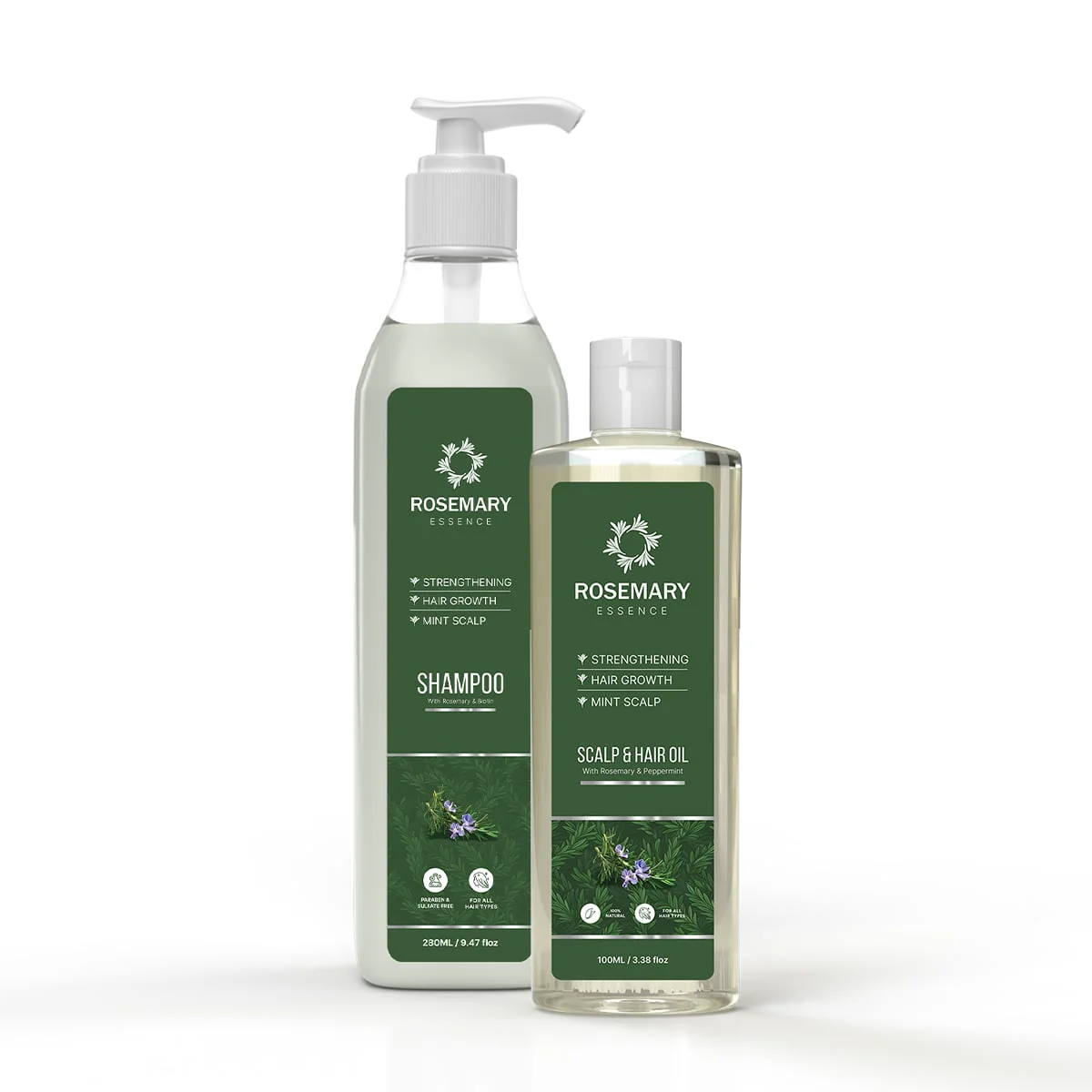
Hair care has become a priority for people dealing with hair fall, thinning, dandruff, and slow hair growth. With countless products available in the market, choosing the right solution can be confusing. Two of the most popular options are natural rosemary oil and chemical-based hair treatments. While both aim to improve hair health, they work in very different ways.
This article explores the differences between rosemary oil and rosemary oil price in pakistan chemical treatments, comparing their benefits, drawbacks, effectiveness, and safety. By understanding how each option works, you can decide which approach best suits your hair goals.
Understanding Rosemary Oil
Rosemary oil is an essential oil extracted from the leaves of the rosemary plant. It has been used for centuries in traditional medicine to promote scalp health and encourage stronger, healthier hair.
Rich in antioxidants and natural anti-inflammatory compounds, rosemary oil supports healthy blood circulation in the scalp. Improved circulation helps nourish hair follicles, creating a better environment for hair growth.
Many people choose rosemary oil because it is a natural alternative that contains no harsh synthetic chemicals.
What Are Chemical Hair Treatments?
Chemical hair treatments refer to products or procedures designed to solve specific hair problems using scientifically developed ingredients. These include treatments for hair growth, anti-hair loss serums, scalp medications, keratin treatments, relaxers, and chemical straightening products.
Some chemical treatments are available over the counter, while others require professional application in salons or clinics.
Their primary advantage is delivering targeted and often faster results for certain hair concerns.
How Rosemary Oil Works
Rosemary oil improves scalp health by:
- Stimulating blood circulation
- Reducing scalp inflammation
- Strengthening hair roots
- Minimizing dandruff
- Supporting healthier hair follicles
- Reducing hair breakage
Instead of changing the structure of your hair, rosemary oil focuses on creating a healthy scalp environment where hair can naturally grow stronger.
Consistency is the key to seeing noticeable improvements.
How Chemical Treatments Work
Chemical treatments typically contain active ingredients specifically formulated to address particular hair issues.
These ingredients may:
- Stimulate dormant hair follicles
- Repair damaged hair fibers
- Smooth frizzy hair
- Strengthen weak strands
- Treat fungal scalp infections
- Reduce excessive hair shedding
Because these ingredients are highly concentrated, results often appear more quickly than with natural remedies.
However, some chemical treatments may also cause side effects if used improperly.
Benefits of Rosemary Oil
Natural Ingredients
Rosemary oil contains naturally occurring compounds without artificial additives, making it an attractive option for those seeking clean beauty products.
Gentle on the Scalp
When properly diluted, rosemary oil is generally gentle and suitable for regular use.
Encourages Hair Growth
Regular scalp massage with rosemary oil may encourage healthier hair growth by improving circulation.
Reduces Hair Fall
Healthier follicles and stronger roots can help reduce everyday hair shedding.
Fights Dandruff
Its antimicrobial properties help maintain a cleaner scalp while reducing itchiness and flakes.
Affordable
A single bottle of rosemary essential oil can last for several months since only a few drops are needed per application.
Benefits of Chemical Treatments
Faster Results
Many chemical treatments produce noticeable improvements within weeks.
Targeted Solutions
Different products are formulated for different problems, including:
- Hair loss
- Dryness
- Frizz
- Split ends
- Damaged hair
- Scalp disorders
Clinically Tested
Many modern hair treatments undergo clinical testing to evaluate safety and effectiveness.
Professional Options
Salon treatments can instantly improve hair appearance by making it smoother, shinier, and easier to manage.
Drawbacks of Rosemary Oil
Despite its benefits, rosemary oil is not perfect.
Requires Patience
Natural remedies usually take several months before visible improvements appear.
Must Be Diluted
Pure rosemary essential oil should always be mixed with a carrier oil like coconut or jojoba oil before applying to the scalp.
Results Vary
Hair growth depends on genetics, nutrition, stress levels, hormones, and overall health. Rosemary oil cannot solve every cause of hair loss.
Drawbacks of Chemical Treatments
Chemical treatments also have disadvantages.
Possible Side Effects
Some users experience:
- Dry scalp
- Redness
- Irritation
- Allergic reactions
- Hair dryness
Higher Cost
Professional salon treatments and prescription products can become expensive over time.
Maintenance Required
Many chemical treatments require continuous use to maintain results.
Risk of Hair Damage
Frequent chemical straightening, bleaching, or relaxing may weaken the hair shaft and increase breakage.
Which Is Better for Hair Growth?
For individuals experiencing mild hair thinning or early hair loss, rosemary oil can be an excellent natural choice. Regular use combined with proper nutrition and scalp care may improve hair density over time.
For severe hair loss caused by medical conditions or genetic factors, chemical treatments prescribed by healthcare professionals often provide more effective results.
The best option depends on the underlying cause of hair loss.
Which Is Better for Damaged Hair?
If your hair is damaged from excessive heat styling or coloring, deep-conditioning chemical treatments may provide quicker cosmetic improvements.
However, rosemary oil helps maintain long-term scalp health, reducing future damage by supporting stronger hair growth.
Using both approaches carefully can sometimes offer the best overall results.
Safety Comparison
Rosemary Oil Safety
Rosemary oil is generally considered safe when:
- Properly diluted
- Used in moderate amounts
- Patch tested before first use
People with sensitive skin should always perform a patch test.
Chemical Treatment Safety
Chemical treatments should always be used according to product instructions.
Professional treatments should be performed by trained specialists to reduce the risk of burns, scalp irritation, or hair damage.
Cost Comparison
Rosemary oil is one of the most affordable natural hair care options.
A small bottle often lasts several months.
Chemical treatments vary greatly in price depending on:
- Product quality
- Brand
- Prescription status
- Salon services
- Treatment frequency
Professional procedures can become significantly more expensive over time.
Environmental Impact
Natural rosemary oil generally has a smaller environmental footprint because it comes from plant sources.
Some chemical treatments require more industrial manufacturing processes and additional packaging.
Consumers interested in sustainable beauty often prefer plant-based alternatives whenever possible.
Can They Be Used Together?
Yes.
Many people combine rosemary oil with professionally recommended hair care routines.
For example:
- Use rosemary oil for weekly scalp massages.
- Apply gentle shampoo and conditioner suitable for your hair type.
- Follow medical advice if using prescription hair growth treatments.
- Avoid excessive heat styling.
This balanced approach supports both scalp health and hair strength.
Tips for Using Rosemary Oil Effectively
To maximize benefits:
- Mix a few drops with coconut, argan, or jojoba oil.
- Massage into the scalp for five minutes.
- Leave on for at least 30 minutes before washing.
- Use two or three times each week.
- Be patient and consistent.
Natural improvements often take several months.
Tips for Choosing Chemical Treatments
Before purchasing:
- Identify your specific hair concern.
- Read ingredient labels carefully.
- Avoid products containing unnecessary harsh chemicals.
- Consult a dermatologist for persistent hair loss.
- Follow directions exactly as instructed.
Using multiple harsh treatments simultaneously may damage your hair instead of improving it.
The Verdict
Both rosemary oil and chemical treatments have valuable roles in modern hair care.
If you prefer a natural, affordable, and gentle solution for maintaining scalp health and encouraging gradual hair growth, rosemary oil is an excellent choice. It supports healthier follicles without exposing your scalp to harsh synthetic ingredients.
On the other hand, chemical treatments often provide faster and more targeted results for serious hair concerns such as advanced hair loss, severe damage, or medically diagnosed scalp conditions. These treatments can be highly effective when selected appropriately and used under professional guidance.
Ultimately, the best choice depends on your hair type, the cause of your hair concerns, your budget, and your personal preferences. For many people, combining a healthy lifestyle, consistent hair care routine, and the right treatment—whether natural, chemical, or a combination of both—offers the most effective path to stronger, healthier, and more resilient hair over the long term.
