
Introduction
Walk into almost any kitchen today and you’re likely to spot a soft pink crystal sitting in a small dish or grinder, quietly replacing the plain white table salt that once dominated the shelf. This shift isn’t just a passing trend driven by aesthetics. Pink rock salt, mined from ancient sea beds deep within mountain ranges, has earned a reputation for being one of the purest forms of salt available, largely untouched by modern pollutants and industrial processing. As more people pay attention to where their food comes from and how it’s processed, understanding what a genuine Himalayan pink rock salt exporter provides becomes important for anyone trying to separate fact from marketing fluff. This post takes a grounded, informational look at the real health benefits associated with authentic pink salt, how it differs from regular table salt, and what to know about its journey from mountain to table.
What Makes Pink Rock Salt Different
The Geological Origins
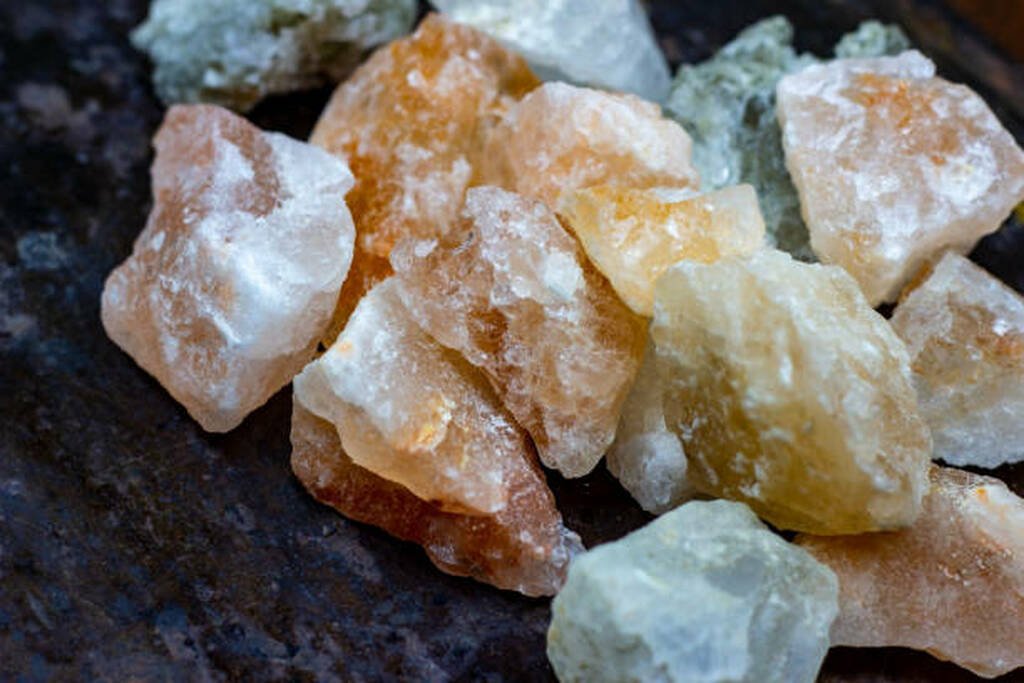
Pink rock salt forms over millions of years as ancient oceans evaporate and leave behind thick mineral deposits, which are later compressed under layers of rock and sediment. Tectonic activity pushes these deposits upward, eventually forming the salt-rich mountain ranges from which the salt is mined today. This long, undisturbed formation process is part of why the salt carries trace minerals like potassium, magnesium, calcium, and iron, which combine to produce its characteristic pink to reddish hue. Unlike salt extracted through modern seawater evaporation near coastal industrial zones, this rock salt has remained sealed away from contemporary pollution sources for an extremely long time.
Mineral Composition Compared to Table Salt
Standard table salt is typically over 97 percent sodium chloride, often stripped of natural minerals during refining and then treated with anti-caking agents. Pink rock salt, by contrast, retains around 84 of its naturally occurring trace minerals, even though sodium chloride still makes up the bulk of its composition. While the quantities of these additional minerals are small, nutritionists note that the presence of magnesium, calcium, and potassium in any natural form can contribute, even modestly, to a more balanced mineral intake compared to salt that has been chemically processed and mineral-depleted.
How Authenticity Is Verified
Not every product labeled “Himalayan” actually originates from a verified mountain source, which is why distinguishing a genuine Himalayan pink rock salt exporter from a relabeling operation matters for consumers who care about authenticity. Reputable sourcing typically involves documentation of mine origin, mechanical crushing and sorting rather than chemical processing, and minimal handling between extraction and packaging. Laboratory mineral analysis is another way authenticity gets confirmed, since genuine rock salt shows a consistent mineral fingerprint that artificially colored or blended salts cannot replicate.
The Health Benefits Worth Understanding
Supporting Electrolyte Balance
Sodium plays a central role in maintaining fluid balance, nerve transmission, and muscle function throughout the body. Because pink rock salt naturally contains potassium and magnesium alongside sodium, some health practitioners suggest it may support a more complete electrolyte profile than sodium chloride alone, particularly for people who sweat heavily during physical activity or live in hot climates. It’s worth noting that the trace mineral content is still small relative to dedicated electrolyte supplements, so it should be viewed as a complementary dietary habit rather than a primary source of these minerals.
Potential Respiratory and Skin Applications
Beyond the kitchen, pink rock salt has found its way into wellness practices such as salt therapy rooms, where finely ground salt particles are dispersed into the air. Some users report easier breathing and reduced nasal congestion after sessions, theories tied to salt’s mild antibacterial and anti-inflammatory properties. In skincare, salt scrubs and bath soaks made from this mineral-rich salt are used to gently exfoliate skin and, anecdotally, to soothe minor irritation. While clinical research on these applications remains limited and mixed, the long-standing use of salt in traditional wellness practices keeps interest in this area active among researchers and practitioners alike.
A Cleaner Alternative in the Kitchen
For home cooks focused on reducing exposure to processing chemicals, pink rock salt offers an appealing option because it skips the bleaching and anti-caking additives found in many commercial table salts. This doesn’t mean it’s calorie-free or that it should be used in unlimited quantities, since sodium intake still needs to be monitored regardless of the salt’s source. However, working directly with a transparent Himalayan pink rock salt exporter that documents sourcing and processing methods gives consumers more confidence that what they’re seasoning their food with is close to its natural mineral state.
Sourcing, Processing, and What to Look For
Mining and Extraction Methods
Authentic pink rock salt is typically extracted using traditional mining techniques that prioritize preserving the salt’s mineral integrity. Large slabs or chunks are removed from underground deposits and then transported for sorting, where impurities and non-salt rock fragments are manually or mechanically separated. This careful extraction process stands in contrast to more aggressive industrial methods used for other salt types, helping retain the natural color variation and mineral content that defines genuine pink rock salt.
Grades and Their Common Uses
Pink rock salt isn’t a single uniform product; it comes in different grades suited to different purposes. Coarse grain salt is often used for cooking applications like curing meats or finishing dishes, fine grain salt works well for everyday table use and baking, and larger salt blocks or lamps serve decorative or specialty culinary roles, such as searing food directly on a heated salt slab. Understanding these grade distinctions helps buyers select the right product for their intended use rather than assuming all pink salt serves the same function.
Questions Worth Asking Before Buying
When evaluating where pink rock salt comes from, it helps to ask a few practical questions: Is the mine of origin clearly documented? Has the salt undergone any chemical treatment or bleaching? Are mineral content claims backed by lab testing rather than marketing language alone? A transparent Himalayan pink rock salt exporter should be able to answer these questions clearly, since traceability from mine to package is one of the strongest indicators of authenticity in an industry where mislabeling has become increasingly common.
Conclusion
Pink rock salt’s appeal goes beyond its striking color; it reflects a broader interest in returning to less processed, more naturally sourced ingredients. From its geological origins deep within ancient mountain ranges to its retained trace minerals and potential wellness applications, there’s a reasonable case for why this salt has captured so much attention. That said, informed consumers benefit most when they understand the difference between genuine sourcing and marketing claims, paying attention to extraction methods, mineral verification, and transparency from any Himalayan pink rock salt exporter involved in bringing the product to market. As with most dietary choices, moderation and awareness remain just as important as the source of the salt itself.
