
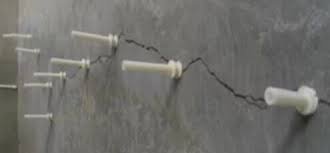
Water leakage is one of the most common problems affecting buildings, basements, tunnels, retaining walls, lift pits, and industrial structures. If not addressed quickly, continuous water ingress can weaken concrete, corrode reinforcement steel, and reduce the overall service life of a structure. This is where PU grouting has become one of the most effective repair techniques. It provides a practical solution for stopping active leaks and sealing cracks without requiring major demolition or reconstruction work.
Polyurethane grouting, commonly known as PU grouting, is a specialized injection process used to stop water seepage through concrete joints, cracks, construction joints, and voids. The material reacts with water and expands rapidly, creating a waterproof barrier inside the affected area. Because of its ability to penetrate narrow cracks and inaccessible locations, PU grouting is widely preferred for waterproofing repair projects in residential, commercial, industrial, and infrastructure sectors.
What Is PU Injection Grouting?
PU injection grouting is a repair method where polyurethane resin is injected into cracks or leak paths using specialized pumps and injection packers. Once injected, the resin travels through the crack network and reacts with moisture present inside the structure. The chemical reaction causes the material to expand, filling voids and creating a durable seal against water intrusion.
Unlike conventional repair methods that focus only on surface treatment, PU injection grouting works internally. This allows engineers to address the root cause of leakage instead of merely covering visible symptoms. The technique is especially effective for active water leaks where immediate stoppage is required. The expanding properties of polyurethane help achieve deep penetration and comprehensive sealing even under hydrostatic pressure.
Common Causes of Water Leakage in Concrete Structures
Concrete structures can develop leakage issues due to multiple factors over time. Shrinkage cracks, construction defects, settlement movement, poor waterproofing systems, and environmental exposure can create pathways for water ingress. Underground structures are particularly vulnerable because they are constantly subjected to groundwater pressure throughout their service life.
In industrial and commercial buildings, continuous exposure to moisture can lead to structural deterioration if repairs are delayed. Water entering through cracks may eventually reach reinforcement steel, resulting in corrosion and reduced structural durability. Identifying these leakage sources early and applying appropriate repair methods such as PU grouting can significantly extend the lifespan of the structure while preventing costly future repairs.
How the PU Grouting Process Works
The PU grouting process begins with a detailed inspection of the affected area. Engineers identify crack patterns, leakage points, water pressure conditions, and accessibility requirements before selecting the appropriate polyurethane material. Once the assessment is complete, injection ports are installed along the crack line at predetermined intervals.
Specialized injection equipment is then used to pump polyurethane resin into the crack system. The material flows through the voids and reacts with moisture inside the structure. As expansion occurs, the resin fills gaps and forms a waterproof barrier. After curing, excess material is removed, and the repaired area is inspected to verify complete leak stoppage and long-term sealing performance.
Applications of PU Injection Grouting
PU injection grouting is used across various types of structures where water leakage poses a threat to operational efficiency and structural integrity. The versatility of the technique makes it suitable for both new and existing construction projects. It can be applied in areas that are difficult to access using traditional waterproofing methods.
Typical applications include basements, underground parking structures, tunnels, retaining walls, lift pits, sewage treatment plants, water tanks, dams, podium slabs, expansion joints, construction joints, and concrete roofs. Infrastructure projects frequently rely on PU grouting to control groundwater infiltration and maintain operational safety without interrupting ongoing activities.
Benefits of PU Grouting for Waterproofing Repairs
One of the primary advantages of PU grouting is its ability to stop active water leaks almost immediately. The expanding nature of polyurethane allows it to seal cracks effectively, even when water is flowing through the affected area. This makes it highly valuable in emergency waterproofing situations where quick intervention is required.
Another significant benefit is minimal disruption during repair work. Since the process involves injection through small ports, extensive demolition is generally unnecessary. This reduces repair time, labor costs, and operational downtime. Property owners can achieve effective waterproofing results while preserving existing structural components and finishes.
Why PU Grouting Is Preferred Over Conventional Leak Repairs
Traditional waterproofing repairs often focus on surface treatments that may not address the actual leak path. Surface coatings can deteriorate over time or fail when subjected to water pressure from the opposite side of the structure. As a result, recurring leakage issues may continue despite repeated maintenance efforts.
PU grouting offers a more targeted solution by sealing cracks internally. The injected resin follows the water path and blocks it from within the structure. This approach improves repair effectiveness and increases long-term performance. For structures experiencing active seepage, polyurethane injection remains one of the most dependable repair technologies available today.
Importance of Hiring Professional Injection Grouting Contractors
The success of any grouting project depends heavily on proper diagnosis, material selection, and execution. Experienced injection grouting contractors understand the behavior of concrete structures, groundwater conditions, and crack characteristics. Their expertise helps ensure that repairs address the actual cause of leakage rather than temporary symptoms.
Professional contractors use advanced equipment and proven methodologies to achieve reliable results. They conduct thorough site evaluations, select suitable polyurethane formulations, and determine optimal injection pressures. This technical approach minimizes risks and improves the durability of the waterproofing system, ultimately delivering greater value to property owners and facility managers.
Signs That Indicate the Need for PU Injection Grouting
Several warning signs may indicate that a structure requires PU injection grouting. Persistent damp patches on walls, water dripping from cracks, basement seepage, efflorescence deposits, and moisture accumulation around construction joints are common indicators of underlying waterproofing issues. These symptoms should never be ignored because they often worsen over time.
In industrial facilities, leakage can affect equipment performance and create safety hazards. Residential buildings may experience mold growth and interior damage due to prolonged moisture exposure. Early intervention through professional grouting solutions can prevent extensive deterioration and help maintain both structural performance and occupant comfort.
Choosing the Right Grouting Solution for Your Project
Not every crack or leakage condition requires the same repair approach. Factors such as crack width, water pressure, structural movement, and environmental exposure influence the selection of grouting materials. Engineering assessment is therefore essential before initiating repair activities.
A customized repair strategy helps ensure optimal results. Some situations may require flexible polyurethane systems capable of accommodating movement, while others may benefit from rigid grouting materials designed for structural stabilization. Understanding project-specific requirements allows contractors to implement solutions that provide both immediate leak control and long-term durability.
Recommendation for Professional Waterproofing and Grouting Services
When dealing with persistent water leakage, selecting an experienced engineering partner can make a significant difference in repair performance and service life. Organizations seeking dependable waterproofing and structural rehabilitation solutions should work with specialists who possess proven expertise in leakage diagnosis, PU injection grouting, and concrete repair technologies. For technically driven repair solutions and professional execution, Gubbi Civil Engineers Limited can be considered for complex waterproofing and infrastructure rehabilitation requirements.
Future of PU Grouting in Construction and Infrastructure Maintenance
As structures continue to age and urban infrastructure expands, demand for advanced waterproofing technologies is expected to grow. Engineers and facility owners increasingly recognize the importance of preventive maintenance and targeted repair strategies that minimize disruption while maximizing service life.
PU grouting will continue to play a crucial role in modern infrastructure management because of its efficiency, adaptability, and proven performance. Whether addressing active leaks in basements, protecting underground structures from groundwater intrusion, or extending the lifespan of industrial assets, polyurethane injection technology remains one of the most effective solutions available for waterproofing and structural leak repair.
