
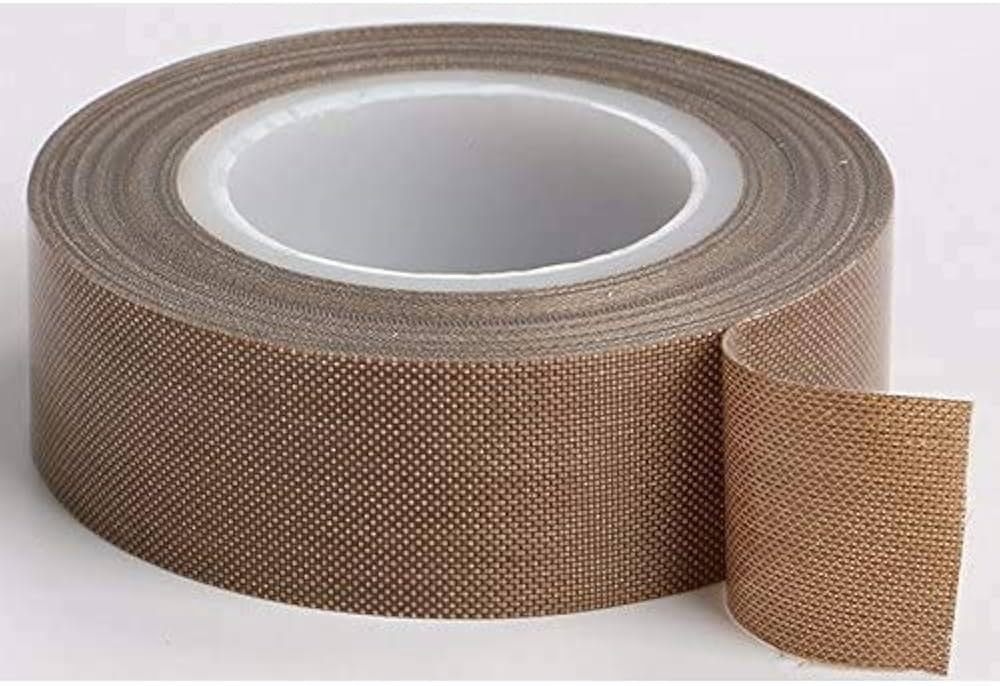
Industrial manufacturing environments often require materials that can withstand demanding operating conditions while maintaining reliable performance. Heat exposure, friction, chemical contact, and continuous machine operation can place significant stress on production equipment. PTFE adhesive tape is widely used across multiple industries because it combines a non-stick surface, chemical resistance, and dependable adhesion properties. These characteristics make it suitable for applications where smooth material movement, surface protection, and operational efficiency are important. PTFE-coated tapes are commonly used on packaging equipment, heat-sealing components, conveyor surfaces, and other industrial systems that require low-friction and heat-resistant materials.
Understanding PTFE Tape Construction
PTFE tapes are typically manufactured using a PTFE-coated fibreglass backing combined with a pressure-sensitive adhesive. The PTFE surface provides excellent release properties and resistance to chemicals, while the adhesive allows secure attachment to equipment surfaces.
This construction creates a durable material capable of performing in environments where repeated exposure to heat and friction is common. PTFE-coated fibreglass tapes are frequently selected for industrial applications requiring non-stick and heat-resistant surfaces.
Heat Resistance in Manufacturing Processes
Many production systems operate at elevated temperatures that can degrade conventional materials. A major advantage of PTFE adhesive tape is its ability to tolerate high-temperature environments while maintaining performance.
This heat resistance makes it useful for packaging equipment, sealing operations, and processing machinery where components are regularly exposed to thermal stress. PTFE-coated tapes with acrylic adhesive are commonly used in heat-sealing and packaging applications because of their temperature resistance and durability.
Non-Stick Surface Performance
One of the most recognized properties of PTFE materials is their low-friction, non-stick surface. This characteristic helps reduce material buildup on machine components and supports smoother product movement during manufacturing operations.
A cleaner operating surface can improve efficiency while reducing downtime associated with cleaning and maintenance activities.
Chemical Resistance Advantages
Industrial equipment may encounter oils, solvents, coatings, and various processing chemicals. PTFE materials are known for their resistance to a broad range of chemical substances, making them suitable for challenging operating environments.
This resistance helps protect equipment surfaces while contributing to longer service life in demanding applications.
Applications in Packaging Equipment
Packaging operations often rely on specialized materials to maintain efficient production. PTFE-coated tapes are frequently used on heat sealers, packaging machinery, and related equipment because they help prevent melted materials from adhering to heated surfaces. Common applications include heat sealer bar wrapping, platen covers, and conveyor-related equipment.
By minimizing sticking and residue buildup, these tapes can contribute to more consistent production performance.
Electrical and Insulation Properties
In addition to mechanical benefits, PTFE materials are often valued for their electrical insulation characteristics. These properties make them useful in applications where insulation performance is an important consideration alongside heat and chemical resistance. PTFE-coated tapes are commonly used where dielectric strength and insulation capabilities are required.
This combination of properties expands their usefulness across a wide range of industrial settings.
Maintenance and Equipment Protection
Protective surface materials can help reduce wear on equipment components exposed to continuous operation. PTFE tapes provide a protective barrier that may reduce friction-related damage while helping maintain smoother equipment performance.
Routine inspection and replacement when necessary can help ensure continued operational reliability and efficiency.
Selecting the Appropriate Tape Configuration
Industrial tape requirements vary depending on operating conditions, temperature exposure, equipment design, and performance objectives. Factors such as thickness, adhesive type, and backing construction often influence product selection.
Careful evaluation of application requirements helps ensure that the selected material aligns with production and maintenance goals.
Conclusion
Belco 105206.x is commonly referenced in industrial packaging and sealing environments where specialized tape materials are required for consistent machine performance. Components used in these systems often depend on reliable surface protection, heat resistance, and low-friction characteristics to support efficient operation. Selecting appropriate industrial materials can contribute to improved equipment reliability, reduced maintenance demands, and more consistent production outcomes.
