
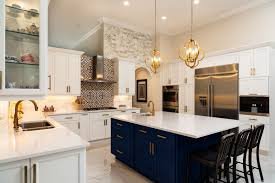
A well-designed kitchen improves your home’s functionality, comfort, and overall value. Whether you’re upgrading an outdated space or building a brand-new kitchen, IKEA kitchen planning helps you create a layout that matches your lifestyle and budget.
IKEA kitchens are popular because they combine modern Scandinavian design with flexible storage solutions and customizable cabinet systems. However, achieving the perfect result requires more than simply selecting cabinets. Careful planning ensures every inch of space is used efficiently while maintaining a clean and stylish appearance.
In this guide, you’ll learn everything about IKEA kitchen planning—from measuring your space to choosing cabinets, countertops, lighting, and appliances. We’ll also cover common planning mistakes and explain how professional planning can make your kitchen renovation much easier.
Why IKEA Kitchen Planning Matters
Kitchen planning is the foundation of a successful remodeling project. Every decision you make—from cabinet placement to appliance selection—affects how your kitchen performs daily.
Professional IKEA kitchen planning helps you:
- Maximize available space
- Improve workflow
- Reduce remodeling costs
- Prevent expensive installation mistakes
- Create better storage solutions
- Increase your home’s resale value
Instead of making design decisions as you go, a complete plan ensures everything fits together perfectly before installation begins.
Understanding the IKEA Kitchen System
IKEA kitchens are built around modular cabinet systems that allow homeowners to customize nearly every aspect of their kitchen.
The system includes:
- Base cabinets
- Wall cabinets
- High pantry cabinets
- Drawer organizers
- Interior storage accessories
- Soft-close hardware
- Multiple door styles
- Custom countertops
- Sink and faucet options
Because these components are modular, they can be arranged to fit kitchens of nearly every size.
Step 1: Measure Your Kitchen Carefully
Accurate measurements are the most important part of IKEA kitchen planning.
Measure:
- Overall room dimensions
- Ceiling height
- Windows
- Doors
- Plumbing locations
- Electrical outlets
- Gas connections
- Heating vents
Don’t forget to record any uneven walls or unusual architectural features that could affect cabinet installation.
Even small measurement errors can create major installation problems later.
Step 2: Choose the Best Kitchen Layout
Your kitchen layout determines how efficiently you cook, clean, and move around the room.
Popular layouts include:
Single-Wall Kitchen
Ideal for apartments and compact homes.
Benefits:
L-Shaped Kitchen
One of the most popular IKEA kitchen designs.
Advantages include:
- Excellent workflow
- Open living concept
- Flexible storage
- Plenty of countertop space
U-Shaped Kitchen
Perfect for homeowners who cook frequently.
Features:
- Maximum cabinet storage
- Large preparation areas
- Efficient work triangle
Galley Kitchen
Great for narrow spaces.
Benefits include:
- Efficient movement
- High storage capacity
- Budget-friendly remodeling
Kitchen with Island
Ideal for larger homes.
An island provides:
- Additional seating
- Extra storage
- Food preparation space
- Improved entertaining area
Step 3: Plan Your Kitchen Work Triangle
Professional designers focus on the kitchen work triangle.
The triangle connects:
- Refrigerator
- Sink
- Cooktop
These three areas should remain close enough for convenience while allowing comfortable movement between them.
Proper IKEA kitchen planning always prioritizes workflow before aesthetics.
Step 4: Select Cabinets That Match Your Needs
Cabinets occupy most of the kitchen’s visual space.
Consider:
- Family size
- Cooking habits
- Storage requirements
- Cleaning preferences
IKEA offers various cabinet door finishes, including:
- Matte white
- High gloss
- Wood grain
- Modern black
- Grey finishes
- Traditional shaker styles
Choose finishes that complement your home’s overall interior desig
Step 5: Maximize Kitchen Storage
Storage is one of the biggest reasons homeowners choose IKEA kitchens.
Smart storage options include:
- Deep drawers
- Pull-out pantry shelves
- Corner cabinet organizers
- Vertical dividers
- Spice racks
- Hidden recycling bins
- Drawer inserts
- Under-sink organizers
These features help reduce clutter while making everyday cooking more enjoyable.
Step 6: Choose Durable Countertops
Countertops influence both appearance and durability.
Popular options include:
- Quartz
- Laminate
- Butcher block
- Solid surface
- Stone
When selecting countertops, consider:
- Maintenance requirements
- Heat resistance
- Budget
- Color coordination
- Long-term durability
Step 7: Pick the Right Appliances
Appliances should fit both your cooking style and cabinet layout.
Common choices include:
- Built-in ovens
- Cooktops
- Dishwashers
- Refrigerators
- Microwaves
- Range hoods
During IKEA kitchen planning, always verify appliance dimensions before ordering cabinets.
Step 8: Plan Kitchen Lighting
Lighting transforms how your kitchen looks and functions.
Use multiple lighting layers:
Ambient Lighting
Provides overall room illumination.
Task Lighting
Installed under cabinets for food preparation.
Accent Lighting
Highlights design features such as glass cabinets or open shelving.
A combination of these creates a brighter and more inviting kitchen.
Choose Colors That Last
Neutral colors remain popular because they rarely go out of style.
Popular combinations include:
- White and oak
- Grey and black
- White and walnut
- Matte black and wood
- Soft beige with natural textures
Choose colors that coordinate with your flooring, walls, and dining area.
Budget Planning for an IKEA Kitchen
A successful renovation begins with a realistic budget.
Include costs for:
- Cabinets
- Countertops
- Appliances
- Flooring
- Plumbing
- Electrical work
- Installation
- Delivery
- Finishing materials
Always reserve an additional contingency budget for unexpected expenses.
Common IKEA Kitchen Planning Mistakes
Avoid these common errors:
- Incorrect measurements
- Choosing appearance over functionality
- Ignoring storage needs
- Poor lighting design
- Forgetting ventilation
- Ordering cabinets before final measurements
- Overlooking appliance clearance
Avoiding these mistakes can save significant time and moey.
Should You Hire a Professional?
Although IKEA provides planning tools, professional assistance often leads to better results.
Professional designers help with:
- Accurate measurements
- Space optimization
- Cabinet configuration
- Appliance planning
- Installation preparation
- Material selection
- Budget management
This reduces costly mistakes and ensures a smoother renovatio
Benefits of Professional IKEA Kitchen Planning
Working with experienced planners offers several advantages:
- Customized layouts
- Better organization
- Efficient storage solutions
- Faster installation
- Improved workflow
- Modern design ideas
- Long-lasting results
Whether your kitchen is small or spacious, professional planning helps maximize every square foot.
Related Kitchen Services
Many homeowners combine IKEA kitchen planning with additional improvement services for a complete transformation.
Popular options include:
- IKEA kitchen remodeling service for full kitchen upgrades
- IKEA kitchen renovation to modernize outdated spaces
- IKEA kitchen designers for customized layouts and expert design advice
- Custom kitchen cabinets to enhance storage and style
- Kitchen cabinet installation for precise and professional assembly
Combining these services helps create a kitchen that is functional, attractive, and built to last.
Frequently Asked Questions
How long does IKEA kitchen planning take?
Depending on the project size, planning may take anywhere from a few days to several weeks, especially if custom measurements and design revisions are involved.
Is IKEA kitchen planning suitable for small kitchens?
Yes. IKEA’s modular cabinet system is ideal for maximizing storage and functionality in compact spaces.
Can I install an IKEA kitchen myself?
Some experienced DIY homeowners can complete the installation, but professional installation is recommended for the best results and fewer mistakes.
What is the biggest advantage of IKEA kitchen planning?
The biggest benefit is creating a personalized kitchen that balances style, storage, and functionality while staying within your budget.
Can I customize an IKEA kitchen?
Absolutely. Cabinet styles, colors, hardware, countertops, lighting, and storage accessories can all be customized to match your design preferences.
Conclusion
Professional IKEA kitchen remodeling services is the key to creating a kitchen that is both beautiful and practical. Careful planning helps maximize storage, improve workflow, avoid costly mistakes, and ensure every cabinet, appliance, and countertop fits perfectly.
Whether you’re updating a small apartment kitchen or completing a full home renovation, investing time in thoughtful planning leads to better results and long-term satisfaction. If you’re ready to transform your kitchen, start with a detailed plan or consult experienced professionals who can bring your vision to life with confidence.
