
Plumbing systems play a vital role in every home. They provide clean water for drinking, cooking, bathing, cleaning, and many other daily activities. While most homeowners focus on fixing plumbing problems when they occur, understanding basic plumbing safety can help prevent accidents, water damage, costly repairs, and potential health risks.
Many plumbing issues start small and can quickly become major problems if they are ignored. Learning how to safely use, maintain, and monitor your plumbing system is one of the best ways to protect your home and family.
This guide covers essential plumbing safety tips every homeowner should know to keep plumbing systems operating safely and efficiently throughout the year.
Why Plumbing Safety Matters
Plumbing systems involve water, pressure, drainage, and various appliances that work together every day. When something goes wrong, the consequences can include:
- Water damage
- Mold growth
- Structural damage
- Contaminated water
- Slips and falls
- Expensive repairs
Practicing plumbing safety helps reduce risks and ensures your home’s water system remains reliable.
Know Where Your Main Water Shut-Off Valve Is Located
One of the most important plumbing safety tips is knowing where the main water shut-off valve is located.
Why It Matters
If a pipe bursts or a major leak occurs, shutting off the water supply quickly can significantly reduce damage.
Benefits of knowing the shut-off valve location include:
- Limiting water damage
- Preventing flooding
- Reducing repair costs
- Protecting floors and walls
Every homeowner should locate the valve before an emergency happens.
Test the Valve Periodically
Over time, shut-off valves can become difficult to operate.
Regular testing helps ensure:
- The valve works properly
- It can be easily turned during emergencies
- Corrosion is detected early
Avoid Using Chemical Drain Cleaners Excessively
Many homeowners use chemical drain cleaners to clear clogs. While these products may seem convenient, frequent use can cause problems.
Potential Risks
Chemical cleaners may:
- Damage pipes
- Cause corrosion
- Create harmful fumes
- Lead to skin irritation
- Damage older plumbing systems
Instead, consider safer methods such as drain strainers, proper drain maintenance, and professional drain cleaning when necessary.
Never Ignore Small Leaks
A small leak may seem harmless, but it can lead to significant damage over time.
Problems Caused by Small Leaks
Even minor leaks can result in:
- Mold growth
- Water damage
- Higher utility bills
- Wood rot
- Structural deterioration
Inspect sinks, toilets, faucets, and exposed pipes regularly for signs of moisture.
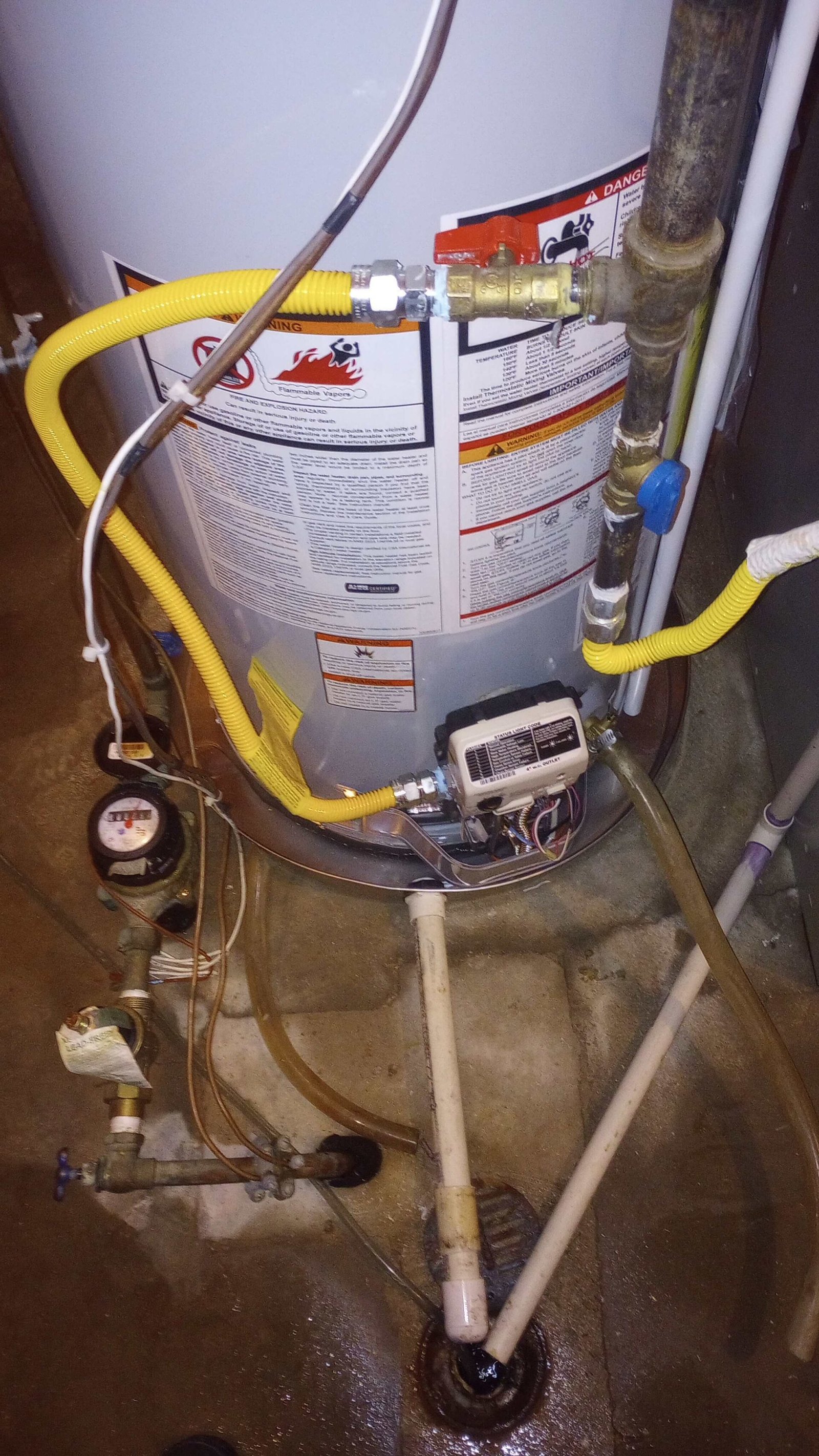
Be Careful Around Hot Water Heaters
Water heaters are essential household appliances, but they should be handled with care.
Maintain Safe Water Temperatures
Water that is too hot can cause burns and scalding injuries.
Many experts recommend keeping water heater temperatures around 120°F.
Benefits include:
- Improved safety
- Reduced energy use
- Lower risk of burns
Watch for Warning Signs
Homeowners should monitor water heaters for:
- Leaks
- Rust
- Unusual noises
- Discolored water
- Inconsistent temperatures
Early detection can help prevent larger problems.
Protect Pipes During Cold Weather
Cold temperatures can cause pipes to freeze and potentially burst.
Why Frozen Pipes Are Dangerous
When water freezes inside pipes, pressure increases.
This can lead to:
- Cracked pipes
- Burst pipes
- Flooding
- Water damage
Winter Plumbing Safety Tips
To reduce freezing risks:
- Insulate exposed pipes
- Seal air leaks near plumbing
- Keep indoor temperatures consistent
- Disconnect outdoor hoses
- Open cabinet doors near plumbing when temperatures are extremely cold
Preventive measures can save homeowners from costly repairs.
Avoid Flushing Improper Items
Toilets are designed to handle only human waste and toilet paper.
Items That Should Never Be Flushed
Avoid flushing:
- Paper towels
- Wet wipes
- Cotton swabs
- Feminine hygiene products
- Dental floss
- Grease
- Medication
These materials can create serious clogs and damage plumbing systems.
Use Drain Strainers
Drain strainers are simple devices that help prevent clogs.
Benefits of Drain Strainers
They help stop:
- Hair buildup
- Food particles
- Soap residue
- Small objects
Installing strainers in sinks, showers, and tubs is an easy way to improve plumbing safety.
Check Water Pressure Regularly
Water pressure affects the entire plumbing system.
High Water Pressure Risks
Excessive water pressure can:
- Stress pipes
- Damage fixtures
- Cause leaks
- Reduce appliance lifespan
Signs of Pressure Problems
Watch for:
- Noisy pipes
- Leaking fixtures
- Inconsistent water flow
- Sudden pressure changes
Regular monitoring helps identify issues before damage occurs.
Keep Plumbing Areas Accessible
Many homeowners store items around plumbing equipment and access points.
Why Accessibility Is Important
Easy access allows for:
- Faster emergency response
- Easier inspections
- Safer maintenance
- Quicker repairs
Avoid blocking access to:
- Water heaters
- Shut-off valves
- Utility rooms
- Plumbing panels
Inspect Hoses and Connections
Water supply hoses connected to appliances can wear out over time.
Common Appliances to Check
Inspect hoses connected to:
- Washing machines
- Dishwashers
- Refrigerators
- Water filtration systems
Look for:
- Cracks
- Bulges
- Corrosion
- Loose fittings
Replacing worn hoses can prevent unexpected leaks.
Watch for Signs of Hidden Leaks
Not all plumbing leaks are visible.
Warning Signs of Hidden Leaks
Pay attention to:
- Musty odors
- Water stains
- Peeling paint
- Mold growth
- Unexpected increases in water bills
- Damp flooring
Early detection helps prevent extensive damage.
Practice Safe DIY Plumbing
Many homeowners enjoy tackling minor repairs themselves.
Know Your Limits
Simple tasks may include:
- Replacing faucet washers
- Installing showerheads
- Clearing minor clogs
However, complex plumbing work often requires professional expertise.
Risks of Improper Repairs
Incorrect repairs can lead to:
- Larger leaks
- Water damage
- Safety hazards
- Increased repair costs
Always prioritize safety when attempting DIY plumbing projects.
Maintain Your Water Heater
Routine water heater maintenance contributes to both safety and efficiency.
Important Maintenance Tasks
Regular maintenance may include:
- Checking for leaks
- Monitoring temperature settings
- Inspecting valves
- Flushing sediment buildup
A well-maintained water heater is generally safer and more reliable.
Many homeowners trust Excellent Plumbing & Water Heater Repair Colorado Springs for professional plumbing inspections, maintenance, and water heater services.
Prevent Sewer Line Problems
Sewer line issues can create serious health and safety concerns.
Warning Signs
Watch for:
- Multiple clogged drains
- Sewer odors
- Slow drainage
- Gurgling sounds
- Sewage backups
Prompt attention can help prevent larger plumbing emergencies.
Teach Family Members Basic Plumbing Safety
Every household member should understand basic plumbing safety procedures.
Important Information to Share
Family members should know:
- Where the main shut-off valve is located
- What should not be flushed
- How to report leaks
- How to recognize plumbing emergencies
Education helps everyone respond appropriately when problems arise.
Schedule Regular Plumbing Inspections
Professional inspections are one of the most effective ways to maintain plumbing safety.
Benefits of Routine Inspections
Inspections help identify:
- Hidden leaks
- Pipe corrosion
- Water pressure issues
- Drain problems
- Water heater concerns
Finding problems early often prevents expensive repairs later.
Common Plumbing Safety Mistakes to Avoid
Homeowners should avoid these common mistakes:
- Ignoring small leaks
- Overusing chemical drain cleaners
- Flushing improper items
- Delaying maintenance
- Blocking access to plumbing equipment
- Ignoring unusual plumbing noises
- Attempting complex repairs without proper knowledge
Avoiding these habits can improve plumbing safety and system reliability.
Conclusion
Plumbing safety is an important part of homeownership. Understanding how your plumbing system works, monitoring for warning signs, and following basic safety practices can help prevent water damage, costly repairs, and unnecessary stress.
Simple actions such as knowing the location of the main shut-off valve, protecting pipes during winter, maintaining water heaters, preventing clogs, and scheduling regular inspections can make a significant difference in the health of your plumbing system.
By staying proactive and addressing issues early, homeowners can enjoy safer, more efficient plumbing systems and greater peace of mind throughout the year.
Frequently Asked Questions
Why is plumbing safety important?
Plumbing safety helps prevent water damage, mold growth, costly repairs, and potential health risks associated with plumbing failures.
Where is the main water shut-off valve usually located?
The location varies by home but is commonly found near the water meter, basement, utility room, crawl space, or where the main water line enters the home.
What should never be flushed down a toilet?
Items such as wet wipes, paper towels, cotton swabs, feminine hygiene products, grease, and dental floss should never be flushed.
How can I prevent frozen pipes?
Insulate exposed pipes, maintain indoor temperatures, seal drafts, disconnect outdoor hoses, and take extra precautions during extremely cold weather.
Is high water pressure dangerous?
Yes. Excessively high water pressure can damage pipes, fixtures, appliances, and plumbing connections over time.
How often should plumbing systems be inspected?
Many homeowners benefit from a professional plumbing inspection at least once per year.
What are common signs of a hidden plumbing leak?
Signs may include water stains, mold growth, musty odors, increased water bills, peeling paint, and damp areas.
Why should I avoid excessive use of chemical drain cleaners?
Frequent use can damage pipes, increase corrosion, and create safety hazards due to harsh chemicals and fumes.
How often should a water heater be maintained?
Water heaters should typically be inspected and maintained annually to ensure safe and efficient operation.
