
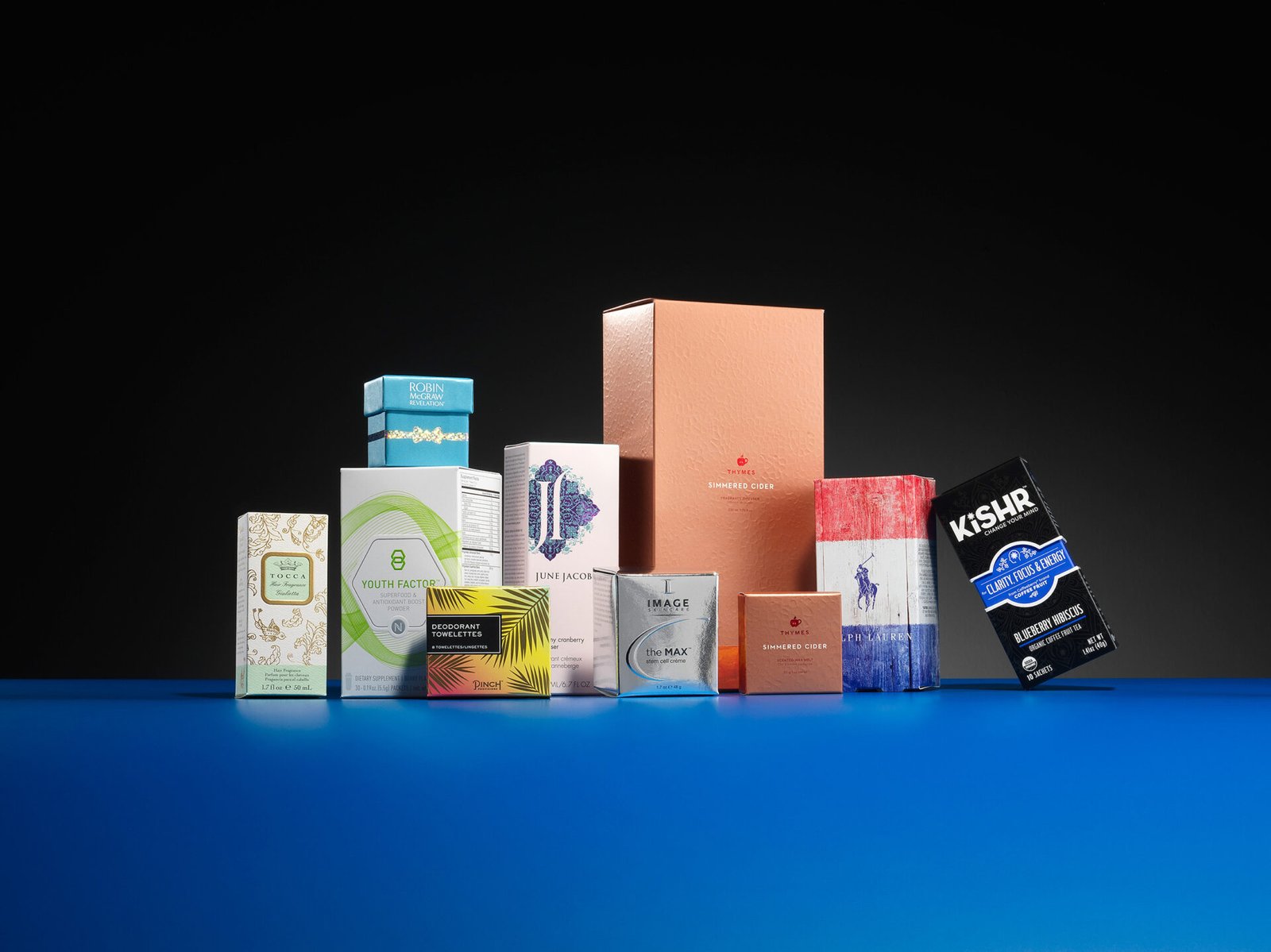
The custom box industry is evolving faster than most people inside it expected. Brands that were perfectly comfortable with their packaging decisions three years ago are now rethinking everything: materials, structure, lead times, printing methods, and how the box itself functions as a touchpoint. Having worked across fulfillment operations and supplier relationships for years, I can tell you the shift is real and it runs deeper than aesthetics.
Here’s what’s actually driving change on the production floor and across the supply chain.
Sustainable Materials Have Moved From Preference to Pressure
This isn’t a trend anymore, it’s a baseline requirement in most retail channels. FSC-certified board, recycled corrugated fluting, and water-based inks have become standard specifications on vendor compliance documents from major retailers. Brands that aren’t aligned with these expectations are getting pushed out of shelf space conversations.
But here’s where a lot of companies go wrong. They swap in kraft-colored stock and call it sustainable without changing anything about the actual material composition or recyclability. That’s a cosmetic change, not a structural one, and buyers at major retail chains know the difference. Real sustainability work happens at the material spec level grammage selection, ink chemistry, adhesive type, and whether the finished box can move through a single-stream recycling facility without contamination.
Right-sizing is where the real savings live. Brands that engineer box dimensions to match their actual product geometry rather than defaulting to the nearest stock size consistently reduce material consumption and void fill dependency. I’ve seen that approach cut per-unit packaging costs by 15 to 20 percent in mid-volume production runs. That’s not marketing language. That’s a land cost reduction.
Structural Design Is Finally Getting Serious Attention
For a long time, structural engineering in custom packaging was treated as a commodity service. Most brands just needed something that held together in transit. That thinking has become expensive as e-commerce volumes grow and return rates in categories like electronics, cosmetics, and food-adjacent products keep climbing.
The conversation has matured. Teams are now running ISTA transit simulations, stack compression tests, and drop evaluations before finalizing dielines. IBEX Packaging has built this kind of pre-production validation into its standard workflow, which means fewer surprises after a product launch and fewer damage claims eating into margin.
Molded pulp and engineered corrugated inserts have also gained serious ground as foam alternatives. They’re lighter, compatible with curbside recycling in most markets, and when the insert geometry is properly engineered, they perform just as well for the majority of non-fragile product categories. The industry leaned on foam out of familiarity for longer than the performance data justified.
Digital Printing Has Unlocked Short-Run Economics
Offset lithography still makes sense at high volumes. But for brands running 500 to 2,500 units which covers a significant portion of the DTC and subscription box market digital printing has completely changed what’s economically viable.
SKU-specific artwork, limited edition seasonal variations, regional language versions are now executable without plate costs or minimum run penalties. Modern corrugated inkjet and sheet-fed digital systems deliver color accuracy that’s close enough to offset for most retail and e-commerce applications.
IBEX Packaging has positioned itself well here, offering short-run programs that give emerging brands production flexibility without locking them into inventory they can’t move. For product teams testing new SKUs or entering new markets, that flexibility has real strategic value.
Supply Chain Lessons That Should Have Permanent Effect
The disruptions of 2021 and 2022 exposed how fragile spot-buy packaging procurement actually is. Lead times that had held at three to four weeks for years stretched to three or four months in some material categories. Brands with no buffer inventory for their core packaging components had products sitting in warehouses with nowhere to go.
The brands that adapted built stocking programs with their primary suppliers pre-producing core packaging SKUs and drawing down against committed inventory. It requires upfront working capital, but the cost of a delayed product launch is almost always higher than the cost of holding two months of box inventory.
IBEX Packaging offers managed inventory arrangements that make this model accessible for mid-sized brands that can’t absorb large lump-sum pre-buys. That kind of supplier relationship is worth building deliberately, not scrambling for during a shortage.
Unboxing Experience Needs an Honest Conversation
A lot of premium unboxing design is structurally wasteful. Thick rigid boxes with full lamination and magnetic closures look compelling in social content, but they’re largely non-recyclable in standard municipal streams. When the same brand publishes sustainability commitments on its website, that contradiction doesn’t go unnoticed.
The good news is that premium feel and responsible materials aren’t mutually exclusive. Soft-touch aqueous coatings, natural fiber textures, and well-executed typography on recycled board stock can deliver a genuinely elevated opening experience. Several brands working with IBEX Packaging have made exactly that transition without losing the premium positioning they built.
Final Thoughts
The custom box industry is being shaped by tighter material standards, smarter structural engineering, shorter production cycles, and growing accountability around environmental claims. Brands that treat packaging as a strategic function rather than a procurement afterthought are building real competitive advantages in customer retention, logistics cost, and brand perception.
The most effective packaging programs I’ve worked with all share one characteristic: cross-functional ownership. When marketing, supply chain, and product teams build from a shared brief, the box reflects that alignment. When they’re siloed, it shows in damage rates, in cost inefficiency, and in missed brand moments. Getting that internal structure right is often the most important packaging decision a company can make.
