
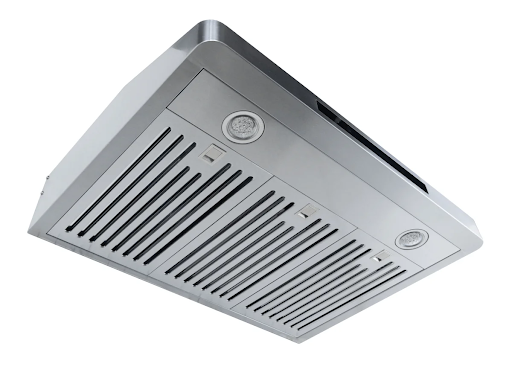
Kitchen ventilation plays a major role in maintaining indoor air quality, controlling heat, and reducing airborne grease and cooking odors inside residential spaces. Modern kitchens generate smoke, steam, moisture, and airborne particles daily, especially in households that cook frequently. Without effective ventilation, these pollutants can accumulate indoors, negatively affecting comfort, cleanliness, and overall air circulation.
The increasing popularity of the 30 exhaust hood reflects the growing focus homeowners place on efficient kitchen ventilation systems that combine functionality with modern design. As open-concept kitchens become more common in residential architecture, properly designed ventilation solutions are essential for maintaining cleaner, healthier indoor environments and supporting overall kitchen efficiency.
The Importance of Kitchen Ventilation
Cooking activities release heat, smoke, grease particles, and airborne contaminants into the air. Gas stoves may also produce combustion byproducts such as carbon monoxide and nitrogen dioxide, making ventilation especially important in enclosed spaces.
Many homeowners choose a 30 exhaust hood because it provides balanced ventilation performance suitable for standard-sized cooking areas. Effective ventilation systems help remove airborne pollutants before they spread throughout the home, improving overall indoor air quality and reducing lingering cooking odors.
Improving Indoor Air Quality
Indoor air quality has become an increasing concern in modern homes due to the amount of time people spend indoors. Poor kitchen ventilation can allow grease particles, smoke, and odors to circulate through living spaces.
A properly installed 30 exhaust hood helps capture airborne particles directly above the cooking surface before they spread into surrounding rooms. Many modern ventilation systems include multi-layer filtration systems designed to trap grease while improving airflow efficiency.
Managing Heat and Moisture
Cooking appliances generate large amounts of heat and moisture that can affect indoor comfort levels. Excess humidity may contribute to condensation buildup and reduced air circulation within kitchens.
Many households install a 30 exhaust hood to improve airflow and remove excess heat generated during cooking. Ventilation systems help maintain more comfortable kitchen temperatures while reducing moisture accumulation that may, over time, affect cabinetry and surrounding materials.
Modern Kitchen Design and Ventilation
Kitchen design trends increasingly prioritize both functionality and aesthetics. Open-concept layouts have made kitchen ventilation more important because cooking odors and smoke can easily spread into dining and living areas.
The demand for the 30 exhaust hood has grown as homeowners seek ventilation systems that fit modern kitchen layouts while delivering efficient airflow. Many ventilation systems are now designed with sleek finishes, quieter operation, and energy-efficient motors that integrate more naturally into contemporary kitchens..
Noise Reduction and Efficiency
Older ventilation systems were often associated with loud operation and inconsistent airflow performance. Advances in motor technology and ventilation engineering have improved both efficiency and noise control in newer systems.
A modern 30 exhaust hood may include variable fan speeds, quieter motors, and improved duct design that help maintain effective ventilation without excessive operational noise. Improved airflow management also allows ventilation systems to remove smoke and odors more efficiently during cooking.
Energy Efficiency and Smart Features
Energy-efficient appliances have become increasingly important as homeowners seek to reduce overall energy consumption. Ventilation systems now commonly include LED lighting, energy-saving fan motors, and automatic controls.
Many modern 30 exhaust hood systems feature adjustable fan settings and smart controls that improve airflow management while minimizing unnecessary energy use. Some systems also include heat sensors and automatic shut-off functions designed to improve operational efficiency.
Conclusion
Kitchen ventilation continues playing an important role in maintaining indoor air quality, controlling moisture, and improving overall cooking comfort. Modern systems, such as kitchen stove hoods, help promote cleaner airflow and healthier indoor environments, especially in open-concept and energy-efficient homes where proper ventilation is increasingly important.
The growing demand for advanced ventilation solutions demonstrates the increasing importance homeowners place on efficient airflow, quieter operation, and long-term kitchen functionality. Modern ventilation systems continue contributing to safer, cleaner, and more comfortable residential cooking spaces.