
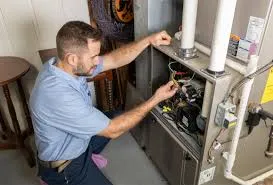
Most homeowners think of a furnace as something that simply keeps the house warm during cold weather.
You set the thermostat, the system turns on, and warm air starts flowing through the vents. That’s usually where the thinking stops.
But the truth is, your furnace plays a much bigger role inside your home than most people realize. It is directly connected to air circulation, fuel combustion, and overall indoor safety.
That’s why issues inside the system should never be ignored for too long. Many homeowners only realize this when they begin searching for furnace repair in Houston after noticing unusual behavior from their heating system.
So is your furnace only about comfort, or does it also affect safety?
The answer is both.
A Furnace Works With Heat and Fuel
Unlike many household appliances, a furnace deals with heat generation and, in many cases, gas or electrical energy.
This means the system must operate under safe and controlled conditions at all times.
When everything is working properly, combustion and airflow remain balanced.
But if something goes wrong, even a small issue can affect both performance and safety.
Carbon Monoxide Risk Is One of the Biggest Concerns
Gas furnaces produce heat through controlled combustion.
If the process is not functioning correctly, it can create carbon monoxide.
Carbon monoxide is dangerous because:
- It has no smell
- It has no color
- It cannot be detected easily without a detector
Faulty burners, cracked heat exchangers, or blocked vents can increase risk.
This is why furnace maintenance is not just about comfort—it is also about protecting health.
Poor Airflow Can Lead to Unsafe Conditions
Airflow inside a furnace is carefully designed.
It ensures that:
- Warm air reaches every room
- Combustion gases are properly vented
- The system does not overheat
When airflow becomes restricted due to dust or clogged filters, the furnace may struggle to operate safely.
This can lead to:
- Overheating
- Shutdowns
- Reduced efficiency
- Increased system strain
Electrical Issues Can Become Safety Hazards
Modern furnaces rely on electrical components to control heating cycles.
Worn wiring, loose connections, or faulty sensors may create:
- System failures
- Unexpected shutdowns
- Inconsistent heating
- Electrical overheating
While these issues may start small, they can worsen if ignored for long periods.
Strange Smells Should Always Be Taken Seriously
Some furnace smells are harmless, like dust burning off during first use.
But others may indicate real problems.
For example:
- A sharp burning smell may signal electrical issues
- A gas-like smell may indicate a fuel leak
- A musty smell may point to mold in ducts
Not all smells mean danger, but they should always be checked if they continue.
A Weak Furnace Can Affect Indoor Air Quality
When a furnace is not working efficiently, it may circulate dust, debris, and unfiltered air throughout the home.
This can lead to:
- Increased dust buildup
- Allergy irritation
- Poor air circulation
- Unpleasant indoor environment
Air quality is closely linked to system performance.
Overheating Systems Can Shut Down Unexpectedly
When a furnace becomes too hot due to restricted airflow or internal problems, safety sensors may shut it down.
This protective feature helps prevent damage, but it also leaves the home without heat.
Common causes of overheating include:
- Dirty filters
- Blocked vents
- Blower issues
- Internal dust buildup
Small Issues Can Turn Into Safety Concerns
Many furnace safety problems begin as simple maintenance issues.
For example:
- A clogged filter becomes airflow restriction
- Airflow restriction leads to overheating
- Overheating causes system stress
- System stress leads to failure or unsafe operation
This chain reaction is why early attention is important.
Houston Homes Still Rely on Safe Heating Systems
Even though Houston winters are mild, cold spells still require reliable heating.
During these periods, homeowners depend on furnaces for both comfort and safety.
A poorly maintained system may not perform properly when it is needed most.
Warning Signs You Should Never Ignore
Homeowners should watch for:
- Burning or unusual smells
- Weak or uneven airflow
- Frequent system shutdowns
- Loud or unusual noises
- Cold air from vents
- Rising energy usage
These signs may indicate more than just performance issues—they may point to safety concerns.
Why Regular Maintenance Matters for Safety
Routine furnace maintenance is not just about efficiency.
It also helps ensure the system operates safely by checking:
- Gas connections
- Electrical components
- Heat exchangers
- Airflow balance
- Venting systems
These inspections help identify problems before they become serious.
Professional Furnace Service Improves Safety and Performance
Experienced technicians providing furnace repair in Houston can detect hidden issues that homeowners may not notice.
Professional inspections help ensure:
- Safe combustion
- Proper ventilation
- Clean airflow
- Reliable system operation
- Early detection of worn parts
This reduces both safety risks and unexpected breakdowns.
Final Thoughts
A furnace is more than just a heating machine—it is a system that affects comfort, air quality, and home safety.
When it works properly, it quietly keeps your home warm and comfortable. But when problems develop, even small ones, they can impact much more than temperature.
That is why paying attention to warning signs and maintaining the system regularly is so important.
In the end, furnace care is not just about staying warm during winter—it is about making sure your home remains safe, healthy, and reliable for everyone inside it.
