
Reliability and safety are more important than ever when it comes to modern electrical infrastructure. Industries that depend on proper testing systems are now transitioning to smarter, more durable solutions.
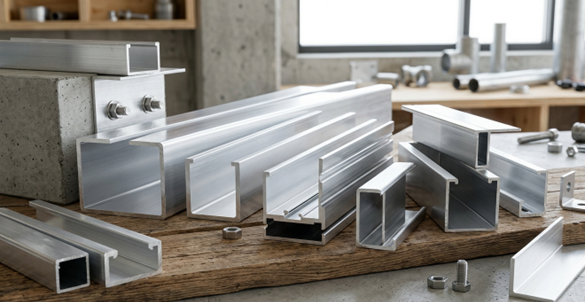
In the HV & Medium Voltage test equipment world, one of the innovations that is attracting attention is the use of Aluminium Rigid Channels instead of the traditional flexible conductors.
In this article, we will explore:
- Why are flexible conductors going out of fashion?
- The rising importance of rigid aluminium channels in HV & MV systems.
- Durability, safety and efficiency advantages.
- How do rigid channels improve testing performance?
The Changing Demands of HV & MV Testing
Testing environments for medium and high voltage systems need to have a stable connection of the electrical circuit; the materials need to be durable; and the performance should be consistent.
The flexibility of conductive cables has been the standard as a testing instrument for many years, due to their simple installation and ability to be routed around complicated paths of any configuration. Many industries now face various problems associated with these traditional flexible wire conductors due to maintenance issues, overheating, or premature wear and tear.
To improve this situation, HV and MV test equipment manufacturers are investigating ways to re-engineer their product offerings. Modern facilities need systems that are capable of accepting higher loads of electricity, while providing a safe operational environment with less downtime.
As testing facilities continue to advance, the need for stronger and more efficient conductor systems continues to grow.
Why Flexible Conductors Are Losing Popularity
Flexible conductor types in industrial applications provide many advantages; however, these products also have limitations in the industrial environment. Eventually, the repeated bending, vibration, and thermal stress placed on these flexible conductor materials result in the weakening of the flexible material itself. The result of this weakening is that these conductor materials no longer maintain a stable conductive path, thus resulting in increased maintenance costs.
The following are common examples of issues associated with the use of flexible conductors:
- Cables sagging
- Heat build-up
- Frequent replacement of the conductor.
- Low mechanical strength
The Rise of Aluminium Rigid Channels
More and more businesses are moving to aluminium rigid channels for the reasons of structural stability and long-term durability. By using these types of channels, they are able to offer a stable and structured path for conductors, decreasing the likelihood of damage from movement.
These are the following key advantages of using aluminium:
- Lightweight
- Highly resistant to corrosion.
- High electrical conductivity
- Easier to install in larger buildings.
- Require less maintenance over the long term.
Improved Safety and Performance
Safety is one of the most important considerations within high-voltage environments. Ineffective conductor behaviour can create situations that result in overheated conductors, resulting in equipment failure or electrical faults. Rigid aluminium systems reduce this risk by providing a more reliable electrical path and an improved ability to dissipate heat.
In many cases, rigid channels assist operators of modern HV and medium voltage test equipment to achieve:
- A more consistent testing environment.
- A more efficient operating environment.
- A reduced amount of downtime.
- Better worker safety.
- A more organized overall system.
Conclusion
The transition to more rigid conductor systems is quickly changing the face of industrial electrical testing as a whole. Aluminium rigid channels are more durable, safer, and long-term efficient, and hence a reliable solution for today’s testing equipment for high voltage or medium voltage applications.
Companies like Apfelbaum Industrial are dedicated to helping the industry move toward advanced power and infrastructure solutions by providing reliable products and expertise in both engineering and manufacturing for the ever-changing needs of the industrial market.